
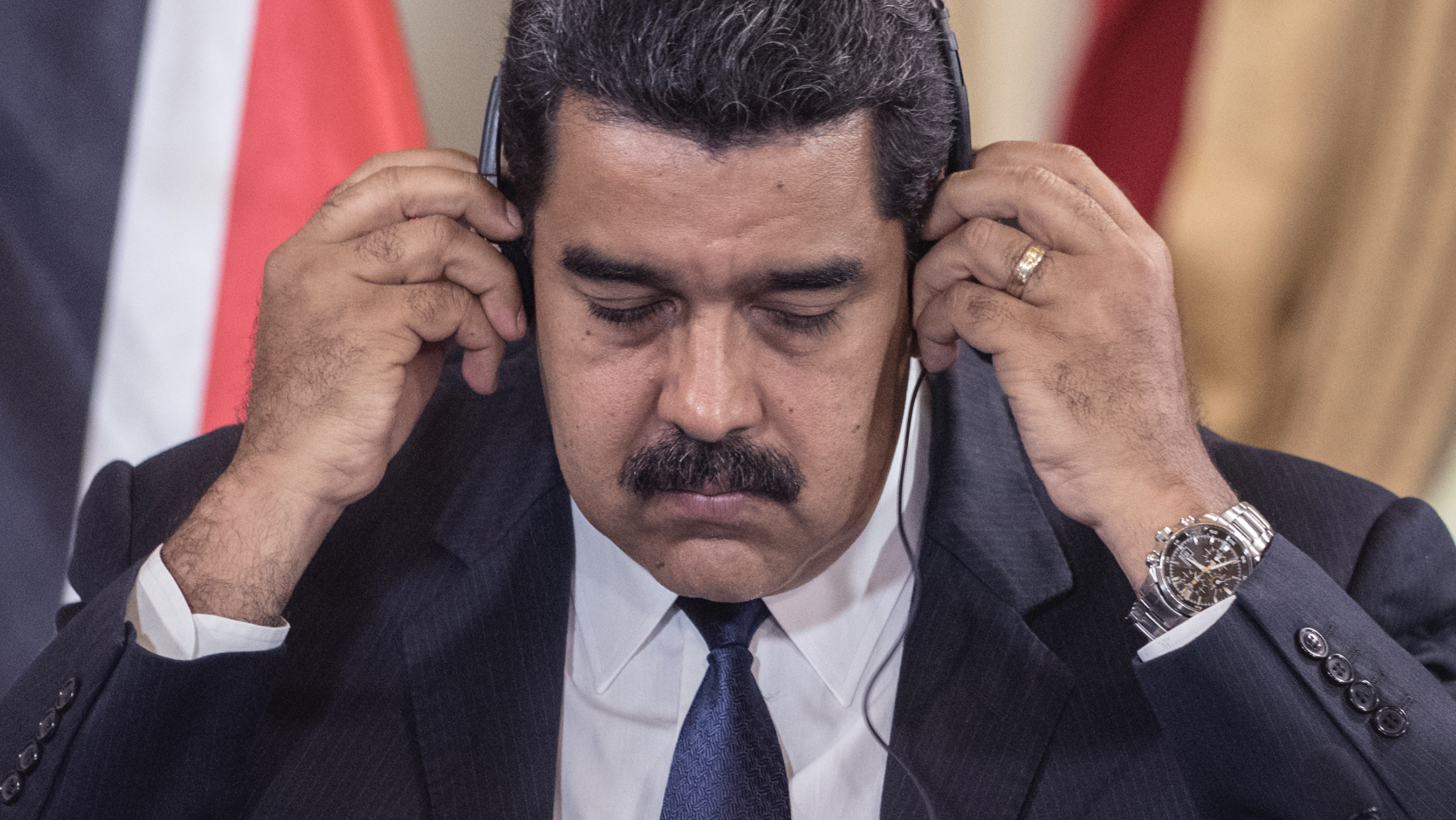
The United States has intensified its economic campaign against the Venezuelan government by blacklisting several shipping firms and crude oil tankers. This move, orchestrated by the Department of the Treasury, targets international intermediaries accused of facilitating the global sale of Venezuelan petroleum, bypassing existing trade restrictions aimed at isolating the administration of President Nicolás Maduro.
Why it matters
The sanctions represent a significant escalation in the “maximum pressure” campaign designed to cut off the financial lifelines of the Venezuelan state. By targeting foreign-owned entities and the vessels they operate, the U.S. is signaling to the global maritime industry that any involvement with the Venezuelan oil sector carries high-risk financial consequences. This strategy aims to further reduce the regime’s revenue, which heavily relies on oil exports to maintain its grip on power amidst a prolonged domestic crisis.
What to know
According to the official U.S. Department of the Treasury announcement, the Office of Foreign Assets Control (OFAC) has designated specific subsidiaries of global energy giants and their leadership for operating within the Venezuelan oil industry. The action specifically identifies firms that have brokered the sale and transport of crude oil, as well as the individual tankers used to move these shipments across international waters. These designations effectively freeze any assets the entities hold under U.S. jurisdiction and prohibit American citizens or businesses from engaging in transactions with them.
What people are saying
Administration officials have characterized the move as a necessary step to prevent the “looting” of Venezuela’s natural resources. Treasury Secretary Steven T. Mnuchin stated that the United States remains committed to targeting those who support the current regime and contribute to the ongoing humanitarian situation in the region. Critics and some international observers, however, have raised concerns about the potential for “over-compliance” by global banks, which could complicate the delivery of unrelated humanitarian aid to the Venezuelan population.
What happens next
To minimize immediate disruptions to the global energy market, the Treasury has issued a general license providing a 90-day wind-down period. This window allows companies currently involved in contracts with the sanctioned entities to conclude their operations and cease all dealings. Moving forward, the U.S. government is expected to increase its surveillance of “dark fleet” shipping activities—vessels that turn off their tracking transponders to hide their location—as it seeks to close remaining loopholes in the sanctions regime.


