
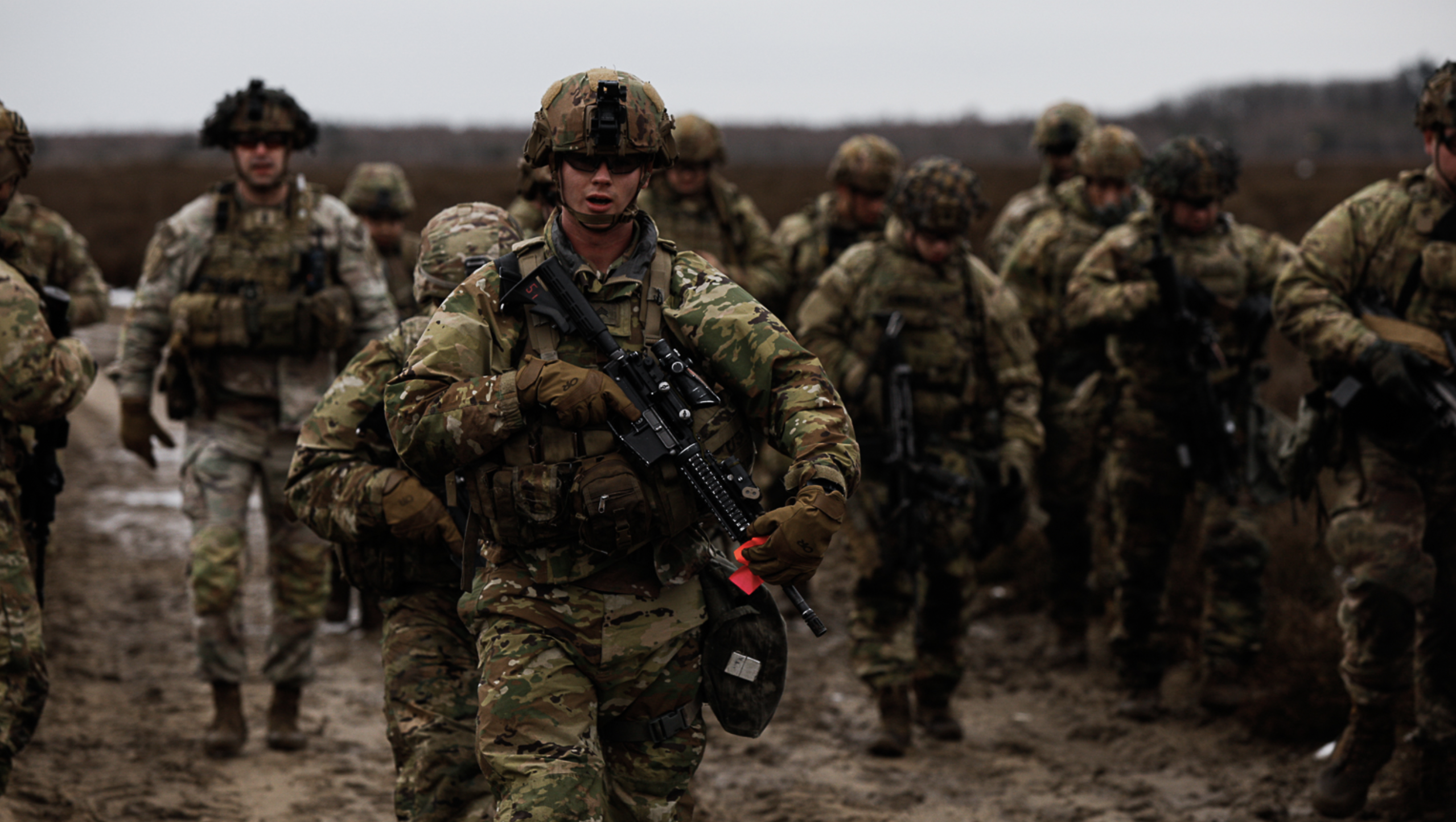
A coalition of European nations is reportedly finalizing contingency plans to deploy a military contingent of up to 15,000 personnel to Ukraine to oversee a potential ceasefire and provide long-term security guarantees. This force, intended for deployment during the first six months following the end of active hostilities, aims to stabilize the region and ensure that any peace agreement remains intact.
Why it matters
The proposed deployment represents a significant escalation in the European role regarding the conflict’s resolution. By moving from the provision of military hardware to a physical presence on the ground, European powers are seeking to create a “robust” security environment that could deter future aggression. This initiative, led primarily by the United Kingdom and France, suggests a willingness to act independently of traditional international mandates to ensure continental stability.
What to know
According to reports from Die Welt, the framework for these security guarantees was developed primarily by military experts from the British and French armed forces in collaboration with officials in Brussels. The plan outlines a force of 10,000 to 15,000 soldiers who would be responsible for monitoring ceasefire compliance on the ground.
Key details of the proposal include:
- Leadership: France and the United Kingdom are prepared to lead ground monitoring efforts, asserting they could do so even without a formal mandate from the United Nations or the European Union, provided they receive an invitation from Kyiv.
- Specialized Monitoring: While the UK and France focus on land operations, neighboring countries would handle air and sea surveillance. Turkey has been specifically identified as a candidate to oversee security in the Black Sea region.
- Timeline: The initial deployment is envisioned for the first six months after active hostilities conclude, serving as a transitional force to prevent a vacuum of power.
What people are saying
The diplomatic momentum behind this “Coalition of the Willing” appears to be growing. Polish Prime Minister Donald Tusk recently noted that the United States has agreed to the framework of these guarantees, which may include the deployment of American troops along the Russian-Ukrainian border or the front line once a peace agreement is reached. Tusk emphasized that a path toward peace is becoming more visible.
NATO Secretary General Mark Rutte has also confirmed that several European states have expressed a formal willingness to send troops to help preserve peace and act as a tripwire against future Russian violations of potential agreements. Meanwhile, President Volodymyr Zelensky has indicated that the legal documents necessary for these security arrangements are being finalized for signing.
What happens next
The diplomatic calendar for January is set to be pivotal for the implementation of these plans. A meeting of the “Coalition of the Willing” at the adviser level is scheduled for January 3, followed by a high-level summit of national leaders in France on January 6. During the Paris meeting, French President Emmanuel Macron is expected to finalize the specific military and financial contributions of each participating state to the security system. Documents developed during this negotiation process are expected to be ready for official signatures by mid-January.


