
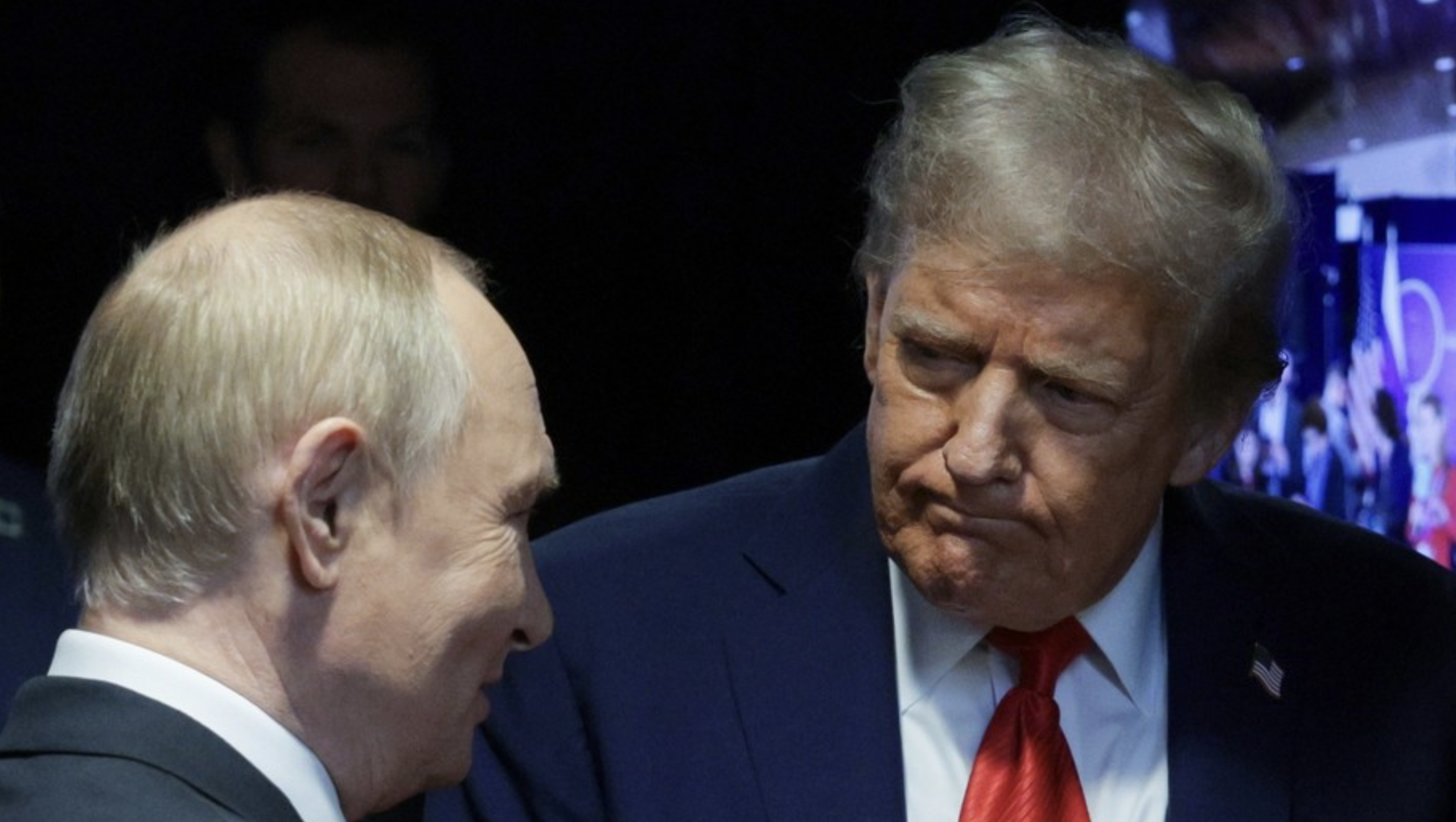
U.S. intelligence has concluded that a recent drone strike launched by Ukrainian forces was not an attempt on the life of Russian President Vladimir Putin, directly contradicting Moscow’s allegations of an assassination plot. According to national-security officials, the strike was aimed at a military installation that Kyiv had successfully targeted in the past. While the target is located in the same northwestern region as Putin’s country residence, American officials stated the strike was not close to the Russian leader’s estate.
Why It Matters
The disagreement over the intended target of the drone strike highlights the intensifying information war between Moscow and the West. If the Kremlin’s narrative is viewed as a fabrication, it complicates Russia’s standing in international diplomacy and could impact the framework of upcoming peace negotiations. For Washington, debunking the claim is essential to maintaining its support for Kyiv and ensuring that Russian “pretext” narratives do not derail U.S.-brokered efforts to end the conflict.
What to Know
The Kremlin specifically alleged that Ukrainian drones targeted Putin’s residence known as Dolgiye Borody, or “Long Beards,” situated along a lake shore in northwestern Russia. However, U.S. officials maintain that Ukraine was simply revisiting a military target in the same general vicinity. The CIA has officially declined to comment on the intelligence findings.
Ukrainian officials have flatly denied targeting Putin, asserting that Moscow is manufacturing the threat to drive a wedge between Washington and Kyiv. They argue that Putin is attempting to weaken Ukraine’s leverage as both sides prepare for potential negotiations to end the war.
What People Are Saying
President Donald Trump has expressed significant skepticism regarding the Kremlin’s version of events. After a recent phone conversation where Putin personally leveled the allegation, Trump reportedly said he was “very angry” about the claim. However, he later appeared to downplay the incident, sharing an editorial that described the Russian account as “bluster” and an obstacle to peace. When questioned about the validity of the strike, Trump suggested it was even “possible” the attack never took place at all, despite Putin’s personal insistence that it did.
What Happens Next
As the U.S. continues to facilitate talks to end the war, monitoring for “pretext” maneuvers from Moscow will remain a priority for intelligence agencies. The focus now shifts to how these conflicting narratives will influence the diplomatic atmosphere, as the U.S. seeks to keep negotiations on track while countering Russian claims that could escalate the conflict.


