
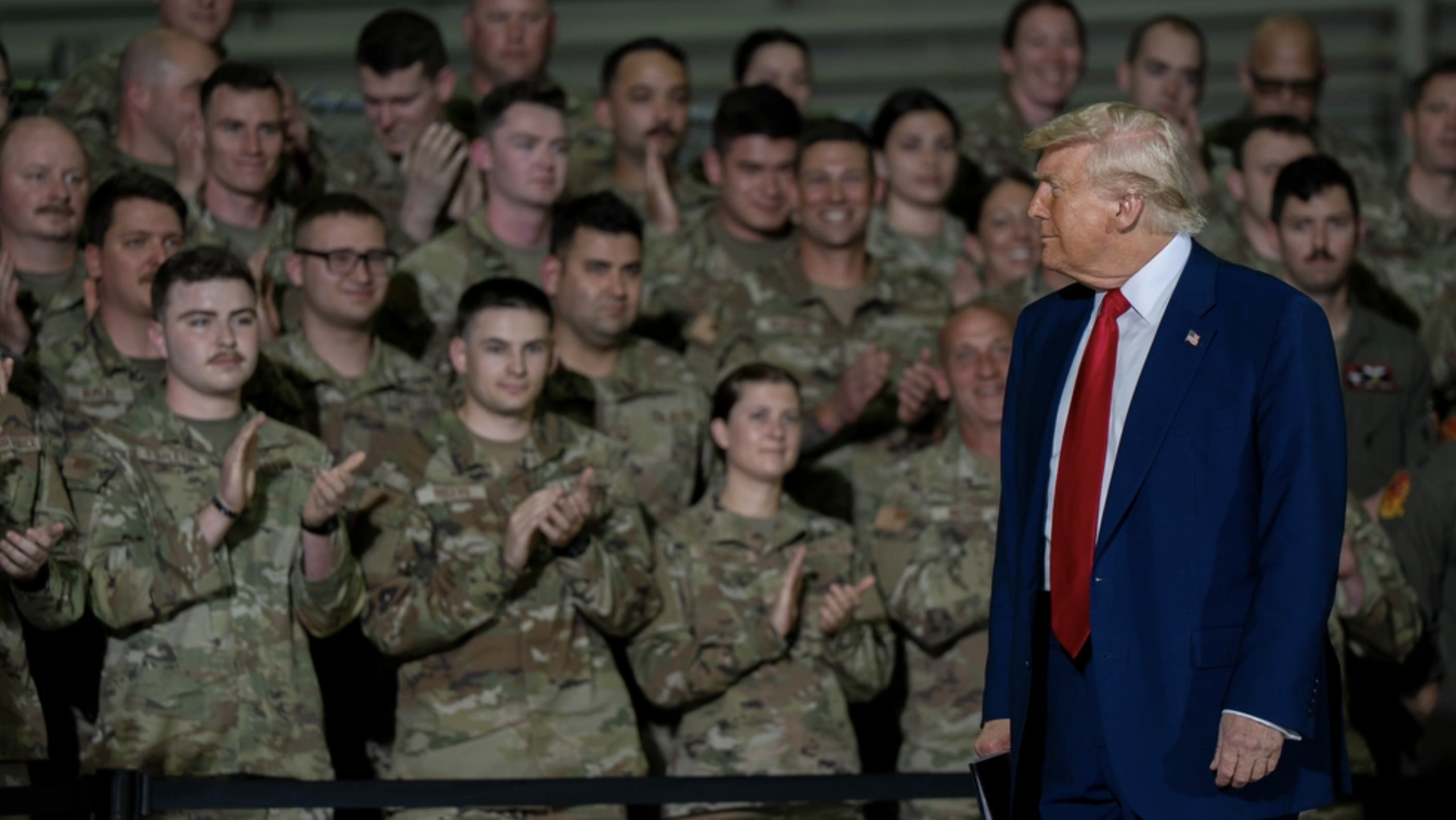
President Donald Trump has announced the conclusion of National Guard deployments in three major U.S. cities, ending a period of direct federal involvement in local law enforcement efforts in Los Angeles, Chicago, and Portland, Oregon.
Why It Matters
The move marks a significant shift in the administration’s “law and order” strategy, which utilized federalized military personnel to address urban crime. These deployments were a frequent source of friction between the White House and local Democratic leaders, leading to several high-profile legal challenges regarding the scope of executive authority and the role of the Guard in domestic policing.
What to Know
The decision to pull the troops comes after months of the Guard being stationed in metropolitan hubs to assist with crime suppression. President Trump maintained that the presence of the troops was a primary factor in driving down crime rates in those areas, despite significant pushback from city officials who argued the intervention was an overreach of federal power. The withdrawal will apply to all three cities simultaneously, marking an end to the current phase of the federal domestic security mission.
What People Are Saying
Critics of the deployment have argued that the use of the National Guard in cities was more about political optics than public safety, with various civil rights groups and local governors questioning the necessity of the mission. Conversely, the president defended the effectiveness of the operation. In a recent social media post, he asserted that the federal presence was successful but warned that the government is prepared to re-intervene if local authorities cannot maintain order.
What Happens Next
The withdrawal may be temporary rather than a permanent policy shift. Trump indicated that the military could be redeployed to these cities if crime levels begin to rise again. He suggested that any future return of the Guard would likely involve a “different and stronger form” of intervention, leaving the door open for renewed federal oversight of urban centers in the future.


