
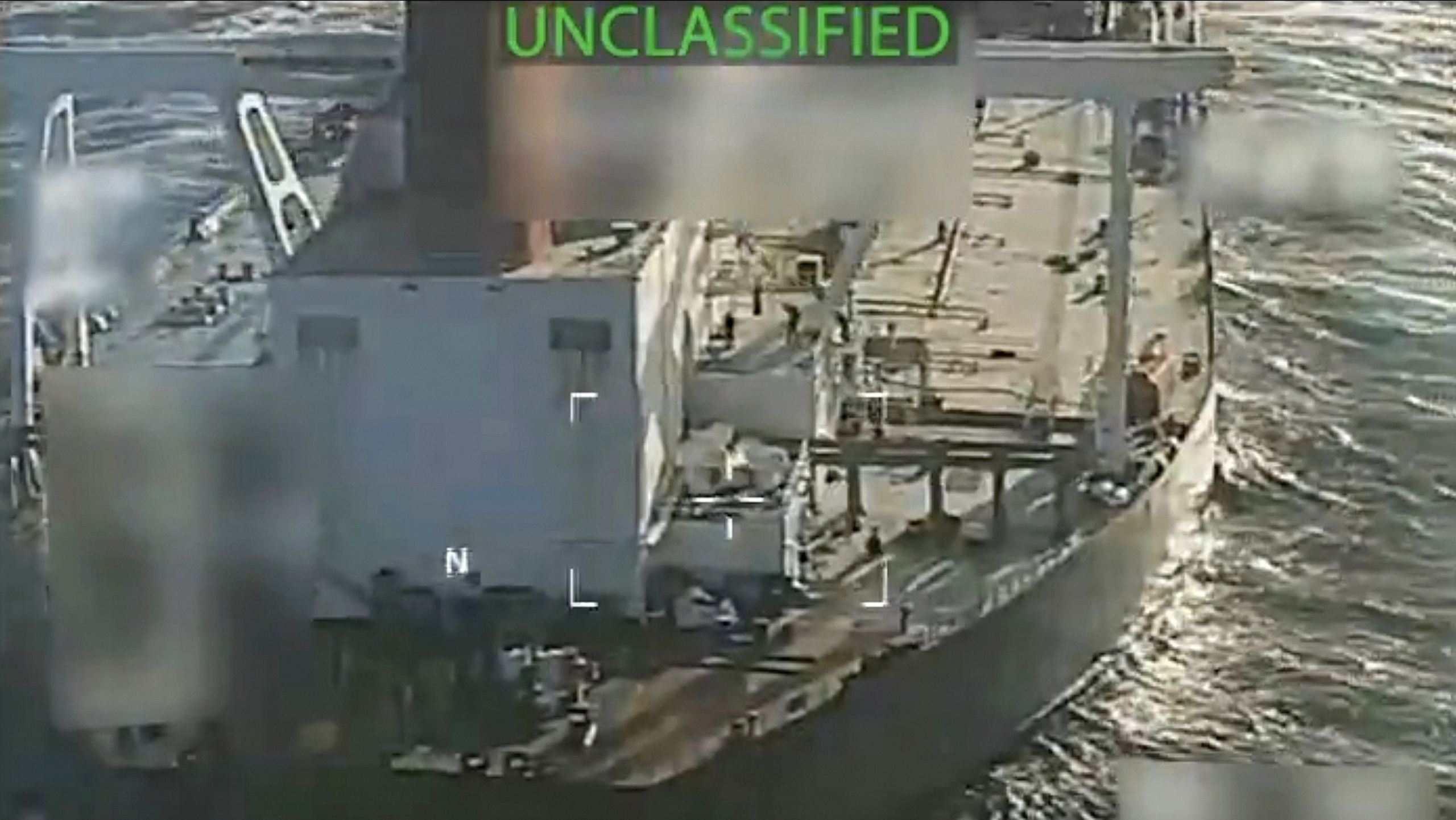
The Department of War is facing new scrutiny after refusing to make public the full video of a deadly Sept. 2 strike on a suspected Venezuelan drug boat. The case has drawn sharp criticism, especially from libertarian lawmakers who see a growing pattern of lethal force deployed far from traditional battlefields, with little transparency and even less due process.
A Double Strike at Sea
The operation in question involved four separate strikes on a single vessel operating out of Venezuela. The first salvo from U.S. forces killed nine of the 11 people on board. A second strike killed the remaining two survivors. A third and fourth strike were used to sink the damaged boat entirely, erasing most of the physical evidence of what happened on the water, as first detailed in initial reporting.
Under Secretary of War Pete Hegseth, the Department of War has leaned into a campaign of targeting suspected drug-running vessels in the Caribbean and nearby waters, with the stated goal of deterring trafficking routes into the United States. The Sept. 2 operation was part of that wider effort, but the follow-up attack on survivors turned it into a political flashpoint that immediately drew questions in press coverage.
A Refusal to Release the Footage
When pressed by reporters on whether the government would release full, unedited video of the incident, Hegseth drew a bright line. He said the department is not prepared to share a complete, raw recording of a highly classified operation with the public, insisting that the underlying material remains top secret.
That stance has deepened concerns on Capitol Hill. For critics, especially civil-liberties-minded Republicans and libertarians, the refusal reinforces a broader pattern: secretive lethal strikes justified on national security grounds, with the public offered only partial accounts after the fact. The absence of full footage makes it nearly impossible for outside observers to judge whether the second strike on survivors was consistent with the laws of war or basic standards of necessity and proportionality.
Due Process and Expanding Authorities
The controversy is not only about one operation. It is also about the kind of authority the Department of War is claiming at sea. The campaign against Venezuelan drug boats, launched under Hegseth’s leadership, blends counter-narcotics, counterterrorism, and great-power competition into a single gray zone mission set. Vessels are treated as legitimate targets based on intelligence assessments of their role in trafficking networks, rather than any judicial process or public designation.
For members of Congress worried about due process, this looks uncomfortably like a floating kill list: people suspected of facilitating drug flows can be killed in international waters without charges, trials, or meaningful public oversight. The fact that a follow-up strike was used on survivors only sharpens questions about rules of engagement and the threshold for lethal force once the primary threat has been neutralized.
The Transparency Gap
The Pentagon maintains that releasing the raw video would risk exposing sensitive capabilities and tactics. Critics counter that redacted footage or carefully prepared summaries, like those described in subsequent Capitol Hill briefings, could still give the public and Congress a clearer sense of what actually happened without compromising sources or methods.
In the meantime, the gap between what the government knows and what the public is allowed to see continues to widen. Each time a high-risk maritime operation is shrouded in secrecy, the political pressure for tighter statutory limits on such missions grows. For now, the Department of War is standing firm on its classification decisions, even as the Sept. 2 strike becomes a case study in how modern counter-drug operations can slide into a murky space, where lethal force and democratic accountability pull in opposite directions.


