
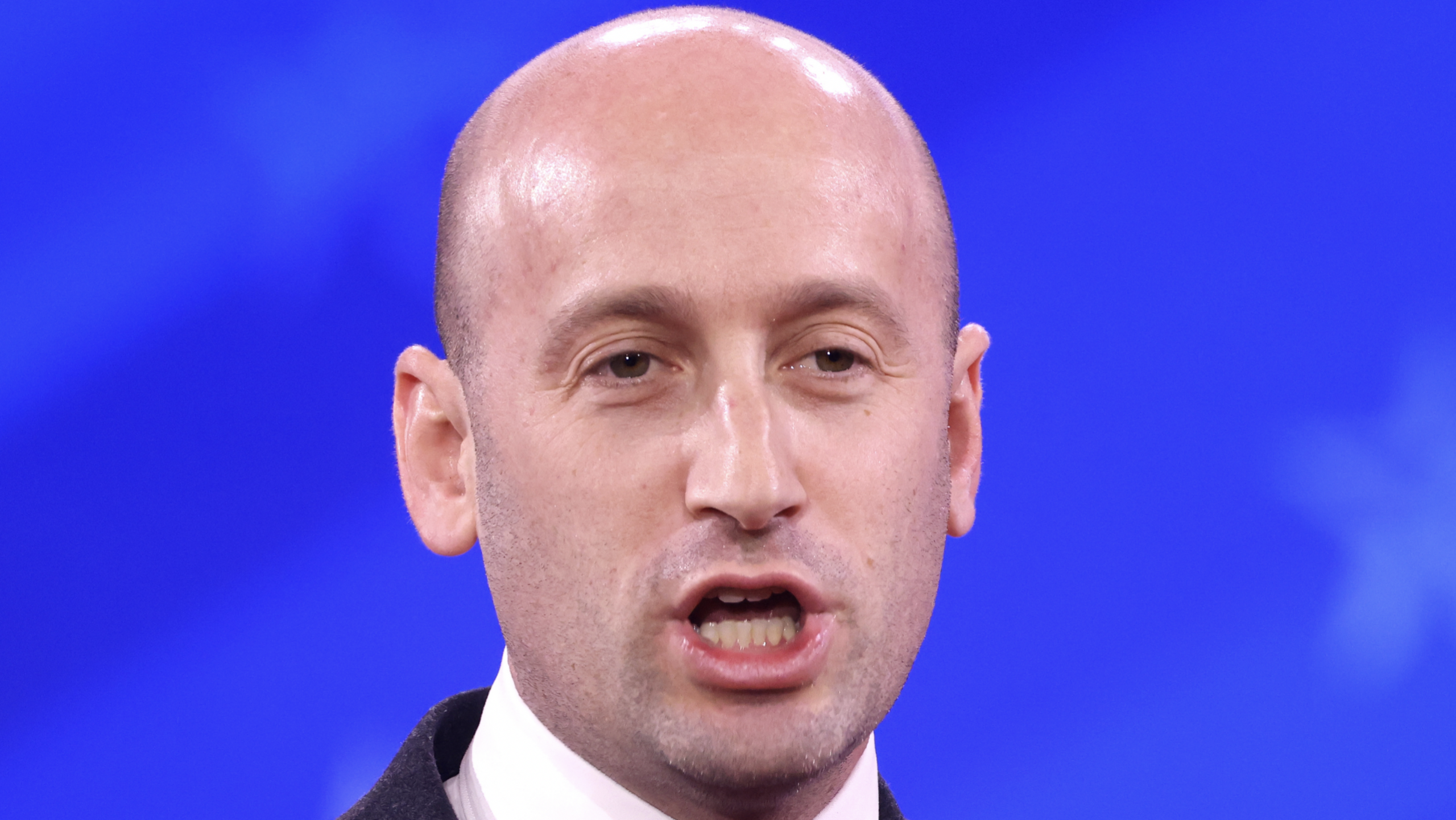
White House Deputy Chief of Staff for Policy and Homeland Security Advisor Stephen Miller has reignited debate over U.S. immigration policy with a social media post arguing that Western nations have taken an unprecedented approach to migration by granting newcomers full political rights. His remarks come as federal enforcement actions and congressional oversight intensify scrutiny of the administration’s immigration agenda.
Various societies have tried sourcing cheap labor from non-functioning states. The West is the first to import failed-state labor with full political rights: welfare, voting, and citizenship for the migrants and their families. When citizenship is global, self-rule is impossible.
— Stephen Miller (@StephenM) February 14, 2026
“Various societies have tried sourcing cheap labor from non-functioning states,” Miller wrote. “The West is the first to import failed-state labor with full political rights: welfare, voting, and citizenship for the migrants and their families. When citizenship is global, self-rule is impossible.”
Miller’s argument centers on the idea that modern Western democracies differ from historical labor systems by providing pathways to permanent residency and citizenship, along with access to social benefits and voting rights. Historically, countries have relied on foreign labor without granting full political integration. Gulf states, for example, have long employed large numbers of foreign workers under temporary visa systems that do not provide citizenship. In the 20th century, European “guest worker” programs recruited laborers from abroad with limited expectations of long-term settlement.
The United States has followed a different model, particularly since the Immigration and Nationality Act of 1965 reshaped the legal immigration system. Current law allows many visa categories to serve as potential pathways to permanent residency and eventual citizenship. Children born in the United States are granted citizenship under the 14th Amendment, a principle affirmed by longstanding Supreme Court precedent. Lawful permanent residents may apply for citizenship after meeting residency and other requirements, and naturalized citizens gain the right to vote and access federal benefits under eligibility rules set by Congress.
Miller has emphasized this position in a recent series of posts responding to comments by Michelle Wu, who had discussed the strain on cities following the expiration of the federal Title 42 border policy. During an appearance on Boston Public Radio’s “Ask the Mayor” segment, Wu said, “Every person, every human being, has the legal right to come to the United States and seek asylum or shelter.” She described lengthy federal review processes that can delay work authorization for asylum seekers by up to a year, leaving cities to provide temporary housing, health care access and legal assistance while cases are pending.
May 12, 2023 — On WBUR’s Ask the Mayor, Boston Mayor Michelle Wu explains how federal asylum backlogs are affecting migrant families in Boston, why many cannot legally work yet, and how the city and state are responding. pic.twitter.com/aj5DJ2nDDX
— American Gazzete (@AmericanGazzete) February 1, 2026
Miller responded that Wu’s comments reflected what he called “the core organizing strategy of the entire Democrat Party.” He argued that current immigration policies allow individuals who would economically benefit from relocating to the United States to gain citizenship and political rights. “All visas are a bridge to citizenship,” he wrote, adding that newcomers can ultimately “exercise the franchise” and that U.S.-born children receive citizenship “with all the rights and benefits therein.” He further contended that immigration and voting policies are inherently linked.
This is the core organizing strategy of the entire Democrat Party. It’s all downstream of this. https://t.co/dwQLqpgiGu
— Stephen Miller (@StephenM) January 31, 2026
The renewed focus on Miller’s views comes amid mounting criticism from Democratic lawmakers who contend that he wields outsized influence over federal immigration enforcement. Representative Seth Magaziner asserted that Miller is effectively directing Immigration and Customs Enforcement operations. When asked about the credibility of ICE Director Todd Lyons as a witness, Magaziner said, “We all know that it’s Stephen Miller who’s really calling the shots here.” He added that administration officials appeared reluctant to provide direct answers out of fear of retaliation from Miller and South Dakota Governor Kristi Noem.
Magaziner: They can say nothing because it's really Stephen Miller and Kristi who are calling the shots… @PabloReports: Is there a way to compel Stephen Miller to testify?
— Acyn (@Acyn) February 10, 2026
Magaziner: When we're in the majority, we absolutely will pic.twitter.com/B7xfyNRDnj
Magaziner said that when Democrats regain the majority, they would seek to compel Miller to testify before Congress. He described the current situation as turning ICE into what he characterized as a “secret police” operating under political direction.
House Democratic Leader Hakeem Jeffries has also called for Miller’s removal, describing him as “the architect of President Donald Trump’s toxic immigration policies” and a “malignant, unelected interloper.” Other lawmakers have echoed that criticism. Representative Don Beyer characterized Miller’s rhetoric as extreme, while Senators Ruben Gallego and Ben Ray Luján accused him of shaping some of the administration’s most controversial policies.
As Congress continues oversight of immigration enforcement and the administration defends its policies, Miller’s comments underscore a broader ideological divide over the meaning of citizenship and the long-term implications of immigration policy. With federal agencies facing scrutiny and lawmakers signaling further investigations, the clash over who shapes U.S. immigration policy — and how — appears set to remain a central issue in Washington in the months ahead.


