
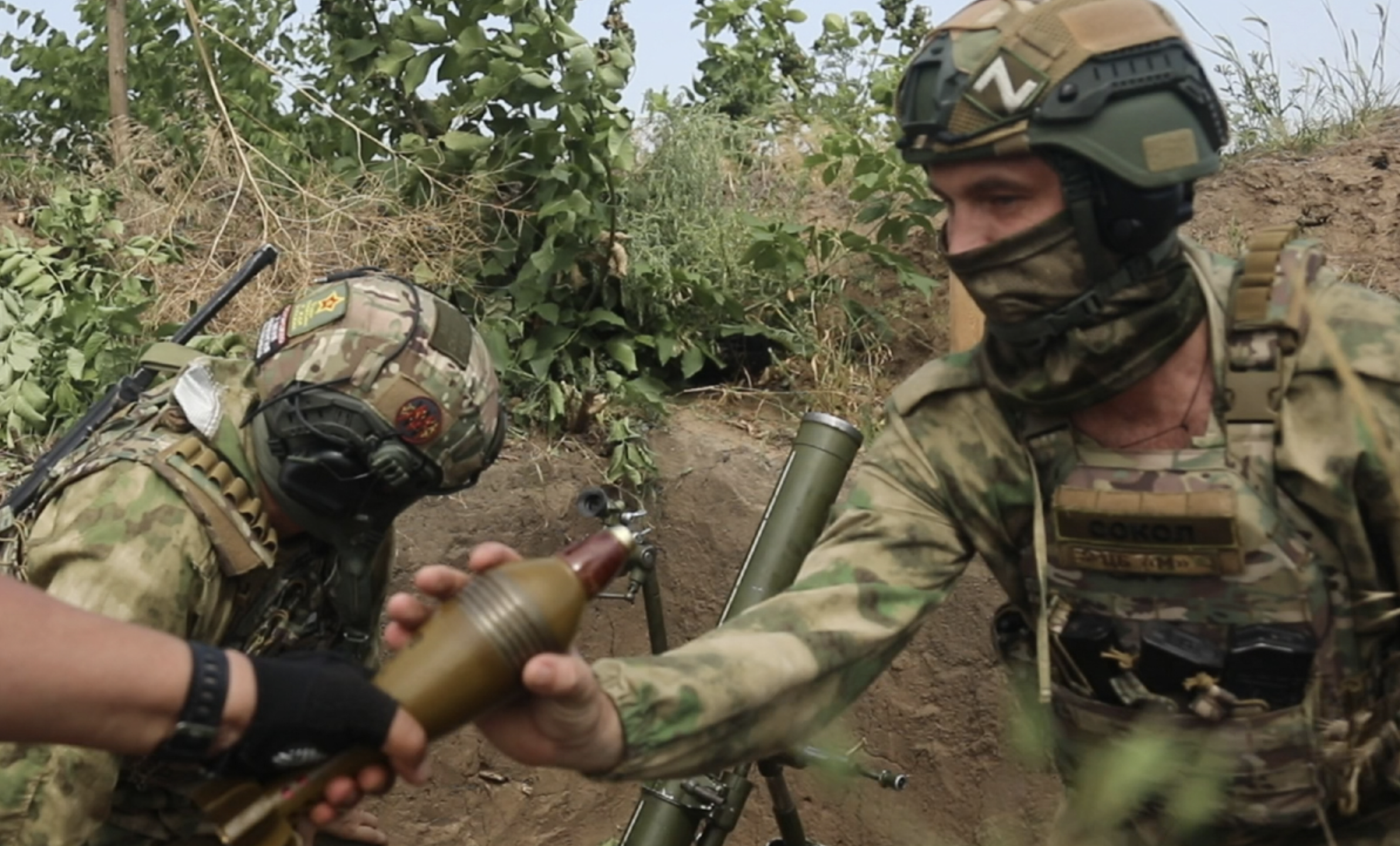
Russia is significantly increasing production of tanks, drones, helicopters, and missiles, using the country’s military‑industrial complex to compensate political and business elites for losses from sanctions that have hit oil and gas trade, according to Andrii Kovalenko, head of the Center for Countering Disinformation of Ukraine’s National Security and Defense Council. Kovalenko says this expansion continues despite real economic problems, indicating that defense orders are being used to offset lost revenue in other sectors.
He argues that this pattern underscores the immutability of Vladimir Putin’s course to maintain war as the foundation of the current Russian regime and state. According to Kovalenko, without a change in this underlying worldview, it will not be possible to fully protect Europe from the risk of further conflict, and a transformation of Russia’s regime and ideology is therefore necessary.
The reported surge in Russian drone attacks on Ukrainian territory indicates the hyperactive work of Russia’s defense industry, which is operating at elevated capacity across several major plants. For example, Uralvagonzavod, Russia’s largest tank factory, displayed significantly higher activity in 2024 compared to 2023. Other facilities, including the Arzamas plant (armored personnel carriers), and the Kurganmashzavod and Motovilikha plants (infantry fighting vehicles), are likewise experiencing production booms.
Despite this growth, Russia still faces constraints. In 2023, Moscow relied on North Korea to supply a substantial share of the artillery ammunition used in Ukraine, but these external stocks are not considered unlimited. Russia is also producing its own ammunition at what Ukrainian sources describe as an extraordinary rate, including high‑end systems. The Economist has learned the annual production volumes of Iskander and Kh‑101 missiles, highlighting sustained output of long‑range precision weapons.
Kovalenko’s assessment links this industrial mobilization to the broader strategic posture of the Kremlin, where continued war and heightened arms output serve both as a political tool and as an economic buffer for key elites affected by Western sanctions.


