
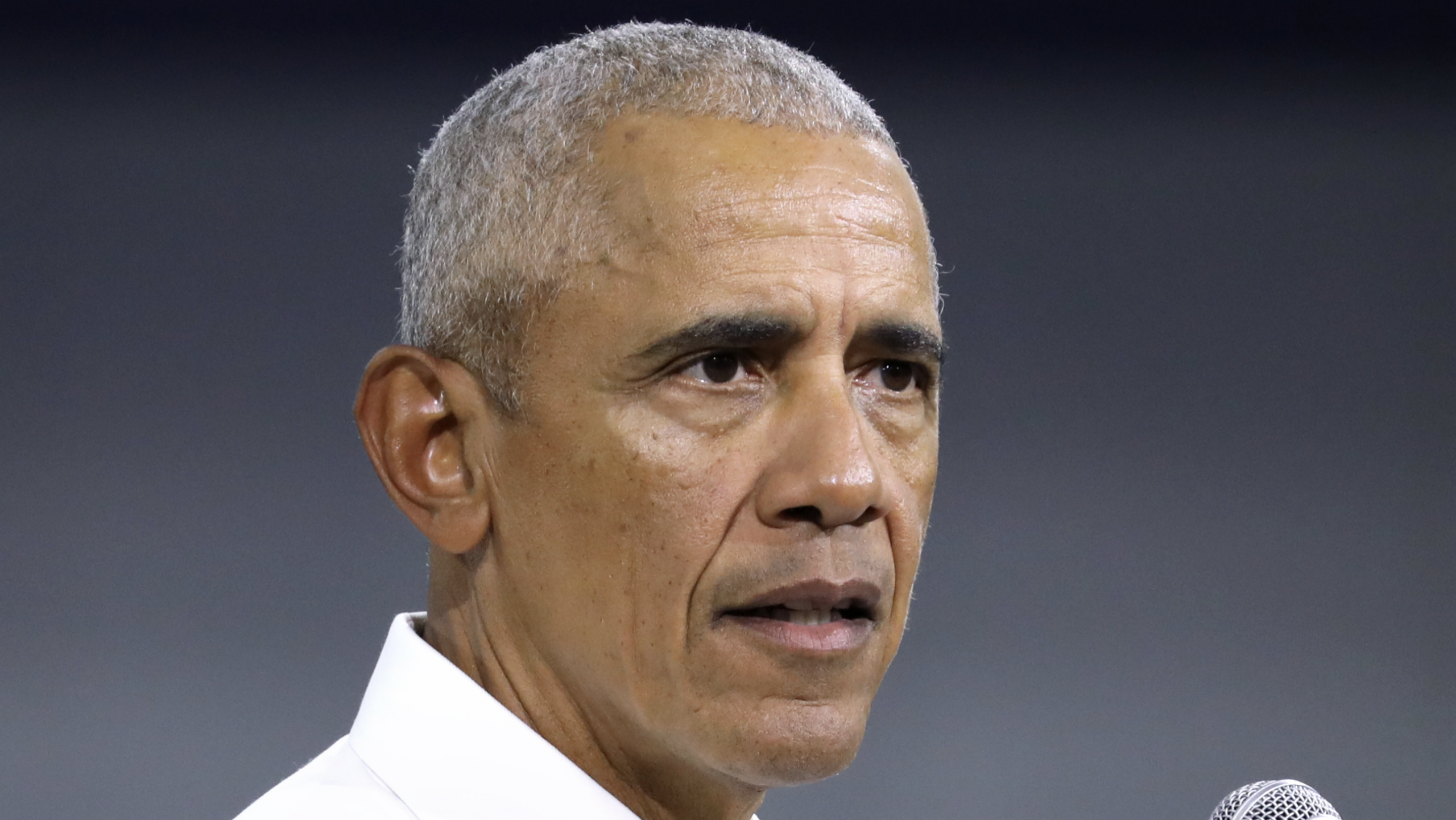
Former President Barack Obama criticized the Trump administration for repealing a long-standing scientific finding that greenhouse gas emissions endanger human health and the environment, calling the action a setback for climate protection and public safety. The repeal effectively removes the federal government’s authority to regulate carbon dioxide, methane, and other key greenhouse gases, reversing a policy that has underpinned decades of environmental rules.
Today, the Trump administration repealed the endangerment finding: the ruling that served as the basis for limits on tailpipe emissions and power plant rules. Without it, we’ll be less safe, less healthy and less able to fight climate change — all so the fossil fuel industry can…
— Barack Obama (@BarackObama) February 12, 2026
In a post on social media, Obama wrote, “Today, the Trump administration repealed the endangerment finding: the ruling that served as the basis for limits on tailpipe emissions and power plant rules. Without it, we’ll be less safe, less healthy and less able to fight climate change — all so the fossil fuel industry can make even more money.” His statement reflects widespread concern among climate scientists and environmental advocates about the potential consequences of undoing a policy considered foundational for reducing greenhouse gas emissions.
The endangerment finding, first issued in 2009, concluded that greenhouse gases pose a danger to Americans’ health and welfare. For nearly 17 years, the Environmental Protection Agency relied on this scientific assessment to justify limits on emissions from automobiles, power plants, and oil and gas operations. The Trump administration’s repeal marks a significant departure from decades of bipartisan acknowledgment of climate risks, including by previous presidents who supported policies addressing global warming.
President Trump, speaking at the White House, described the repeal as terminating a “disastrous Obama-era policy” and called it the basis for what he referred to as the “Green New Scam.” Environmental Protection Agency Administrator Lee Zeldin called the move “the single largest deregulatory action in the history of the United States,” arguing that previous climate rules “strangled entire sectors of the United States economy,” particularly the auto industry. The administration claimed the repeal could save businesses an estimated $1 trillion, though it did not provide detailed calculations supporting this figure.
Trump Announces Termination of EPA’s “Endangerment Finding,” Calls It a Blow to Climate Bureaucracy
— Washington Eye (@washington_EY) February 13, 2026
Declaring the Obama-era policy “disastrous,” Trump says ending the Endangerment Finding will free the auto industry from costly mandates and ease price pressures on consumers… pic.twitter.com/fQJHz6xmdq
Experts warn that the policy change could significantly increase emissions and associated health risks. The Environmental Defense Fund estimates that greenhouse gas pollution could rise by 10 percent over the next 30 years, potentially resulting in up to 58,000 premature deaths and 37 million additional asthma attacks by 2055. Scientists emphasize that while carbon dioxide is naturally present in the atmosphere, elevated levels from human activity are overwhelming natural processes, contributing to heat waves, droughts, wildfires, and other extreme weather events.
Several states and advocacy organizations have pledged legal challenges in response. California Governor Gavin Newsom vowed that the state would sue to block the policy change, warning that it would exacerbate wildfires, heat-related deaths, floods, and droughts.
Donald Trump's administration is falsely claiming that greenhouse gases are not a threat to public health — breaking the law to once again grovel to the oil industry.
— Governor Gavin Newsom (@CAgovernor) February 12, 2026
California will fight this lawless action in court. https://t.co/eBl3zoys0Y
The repeal of the endangerment finding represents a major shift in U.S. climate policy, effectively prioritizing fossil fuel interests over long-established scientific consensus on environmental and public health risks. Critics argue that it undermines national and international efforts to mitigate climate change at a time when extreme weather events are already increasing in frequency and severity.


