
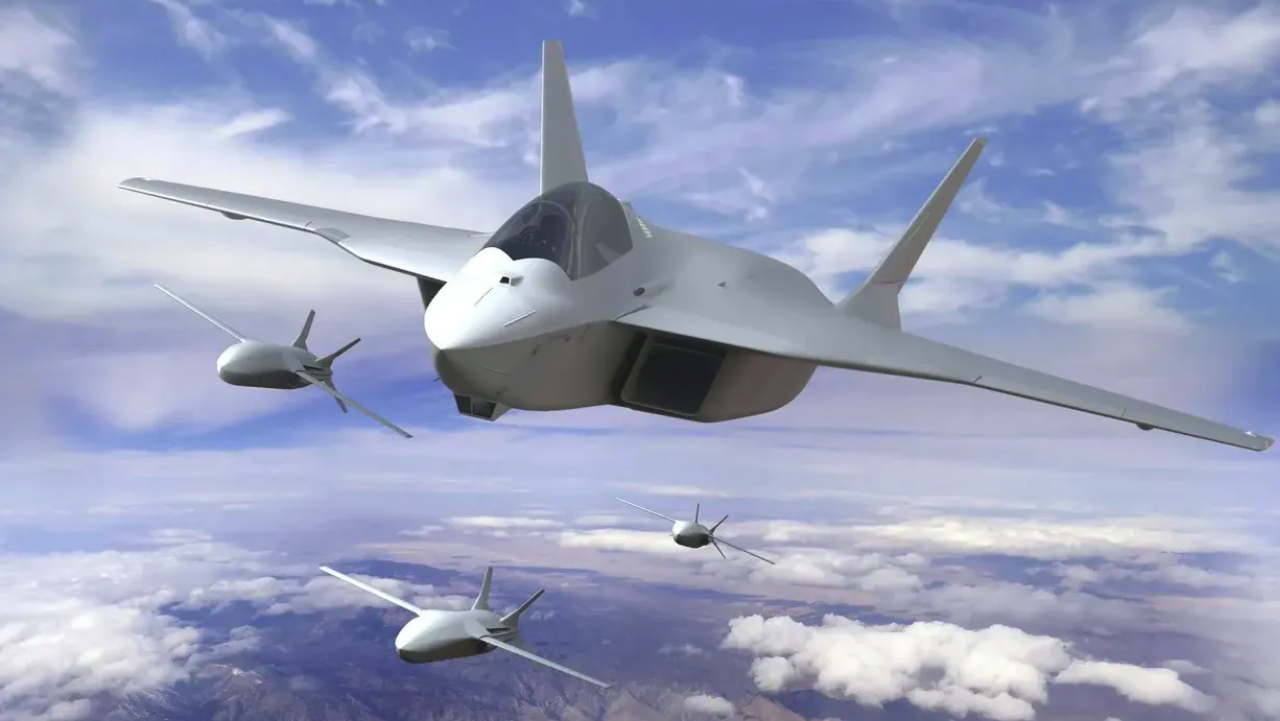
Defence ministers from Germany, France and Spain failed to reach an agreement on Europe’s troubled next-generation fighter jet program during inconclusive talks in Berlin on Thursday, pushing critical decisions to government leaders meeting next week.
Boris Pistorius of Germany, Catherine Vautrin of France and Spain’s Margarita Robles met to discuss the fate of the Future Combat Air System (FCAS) project, whose future hangs in the balance over industrial disputes between France’s Dassault Aviation and Germany- and Spain-backed Airbus.
The Project at a Crossroads
The FCAS program, launched more than eight years ago, has been repeatedly stalled by disagreements over technology and industrial control. The talks took place just weeks before a year-end deadline set by German Chancellor Friedrich Merz for a decision on the next steps.
“We are still in confidential talks here,” a spokesperson for the German defence ministry said following the meeting. A government spokesperson added that the goal is still to have an agreement by the end of the year.
France has not publicly set a firm deadline on agreeing the next phase of the project, which involves stepping up spending to build a flying demonstrator. A French government spokesperson said the Berlin gathering was a “working meeting that allowed us to reaffirm our willingness to continue joint work on the SCAF.”
What is FCAS?
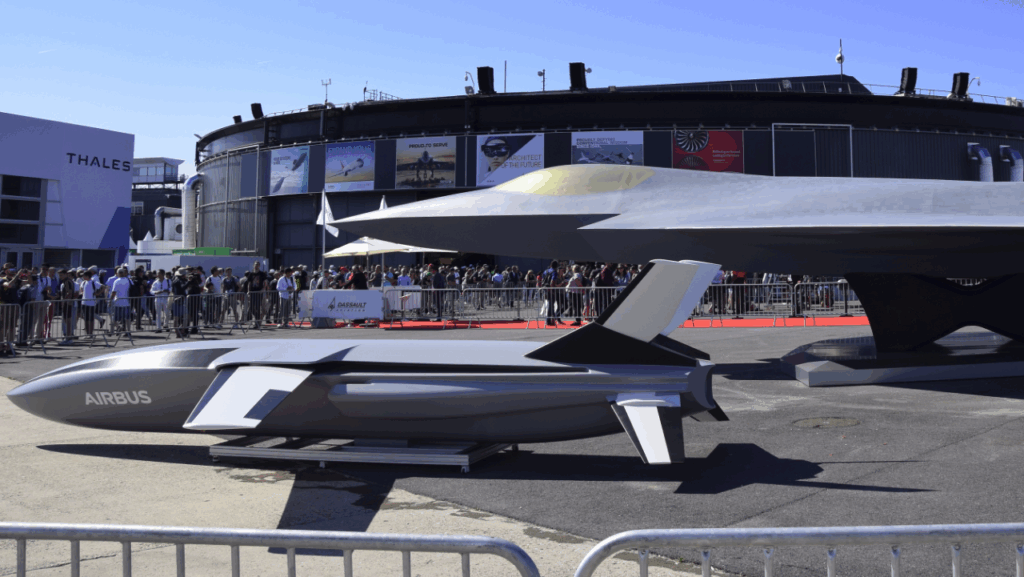
The Future Combat Air System is a €100 billion project designed to renew European air power by 2040. The program combines a sixth-generation fighter jet with accompanying unmanned drones and a shared “combat cloud” designed to link aircraft and sensors across different countries.
FCAS aims to replace France’s Rafale fighters and Germany and Spain’s Eurofighter Typhoons, providing Europe with sovereign air defence capabilities independent of American technology.
The Industrial Dispute
At the heart of the delays lies a fundamental disagreement between Dassault Aviation and Airbus over how manufacturing and technology development should be divided. Dassault, which builds France’s Rafale warplanes, leads efforts on the core fighter design, while Airbus represents both Germany and Spain in the project.
Tensions escalated when Dassault CEO Eric Trappier called for clearer leadership of the project in July, accusing Airbus of causing delays by interfering in areas under French responsibility. Reports also surfaced that France demanded an 80% workshare in the joint fighter jet program.
Germany’s powerful IG Metall union further escalated tensions in November, warning it would stop cooperating on the programme if Dassault remained involved. A senior union official wrote to Defence Minister Pistorius stating the union had lost trust in Dassault for claiming sole leadership of the project.
A Potential Compromise
A senior German lawmaker suggested this week that a focus on data network capabilities—known as “Combat Cloud”—and on unmanned systems could salvage the project. Under this approach, each country could focus on its own core fighter jet under a common umbrella, rather than developing a single shared aircraft design.
This proposal reflects growing German frustration with the industrial arrangement. Berlin has reportedly explored bringing Sweden or even the UK into the project as alternatives to the current French partnership.
What Happens Next
German Chancellor Friedrich Merz and French President Emmanuel Macron are expected to seek a resolution when they meet next week, ahead of a European Union leaders summit scheduled for December 17-19.
The stakes are high. Failure to break the deadlock risks exposing Europe’s inability to forge defence unity at a time when war has returned to the continent and the United States under President Donald Trump has repeatedly called for Europe to take more responsibility for its own security.
With mounting political pressure and a year-end deadline looming, the coming weeks will determine whether Europe’s most ambitious defence project can survive its internal divisions—or whether nearly a decade of work will collapse under the weight of national industrial interests.


