
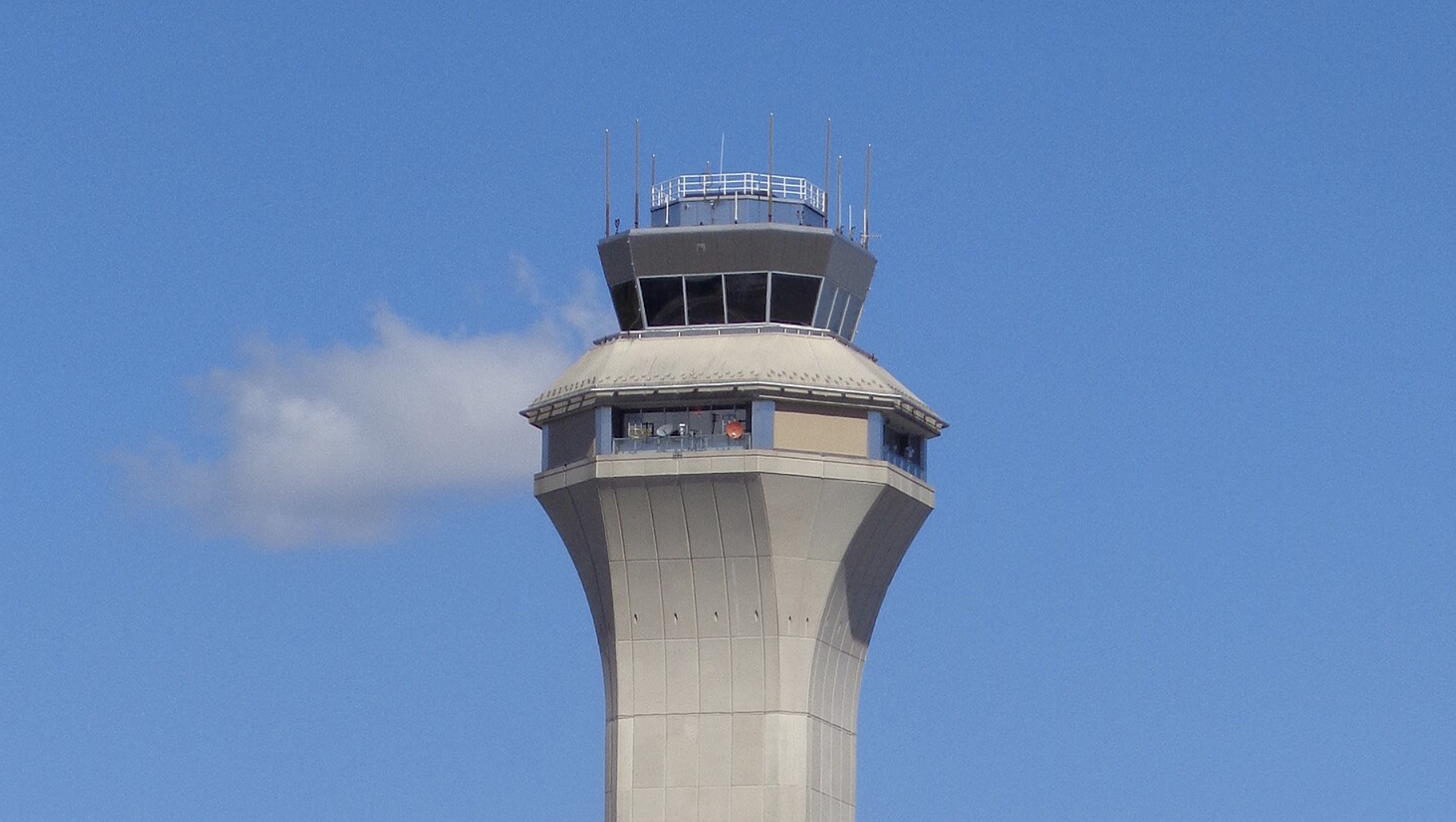
A key U.S. House committee is moving to shield the aviation system from the collateral damage of future government shutdowns, setting up a vote on legislation that would guarantee pay for air traffic controllers and other essential aviation workers even when broader federal funding lapses. The effort reflects the painful lessons of the last prolonged shutdown, when rising controller absences forced widespread flight cuts and snarled travel for millions.
The House Transportation and Infrastructure Committee plans to take up the air traffic control pay measure alongside a separate bill that would push the Federal Aviation Administration to approve civilian supersonic jet transport by April 2027. Both proposals tap into long-standing debates about how to balance safety, economic activity and innovation in U.S. airspace.
Shutdowns, safety and a fragile workforce
Major airlines have lined up behind the pay-protection bill, pointing to the disruption caused by the 43-day government shutdown and the subsequent government-imposed flight cuts. During that period, roughly 6 million passengers and 50,000 flights were affected as staffing strains in air traffic control towers and centers mounted.
On November 7, the FAA, citing aviation safety concerns, ordered unprecedented flight reductions at 40 major U.S. airports as controller availability dipped. The cuts triggered about 7,100 flight cancellations and affected some 2.3 million passengers in a single wave.
Lawmakers have since pressed the agency to release more detailed data on what triggered the decision and how airlines complied with the mandated cuts. The FAA has sent letters of investigation to carriers that appeared not to have fully followed the required reductions, raising the prospect of enforcement actions.
In a letter to Congress, FAA Administrator Bryan Bedford defended the call to throttle back operations, saying internal data “began to show a potential safety risk at certain high impact airports.” He argued that reducing operations during such an uncertain and stressful period was the right call, even as it created immediate pain for travelers and airlines.
Supersonic ambitions and environmental concerns
The same committee vote will also test political appetite for reviving commercial supersonic travel. Lawmakers are considering a proposal that would compel the FAA to clear a path for overland supersonic air transport by April 2027, updating a framework that has largely been frozen since the early 1970s.
In June, President Donald Trump directed the agency to lift a long-standing ban on supersonic operations over land, a restriction introduced in 1973 after communities complained of property damage and hearing loss tied to sonic booms. Since then, environmental groups have raised new concerns, arguing that supersonic aircraft could burn significantly more fuel per passenger than comparable subsonic jets, worsening emissions at a time when the sector is under pressure to decarbonise.
Supporters counter that next-generation designs and new fuels could mitigate some of those impacts while cutting coast-to-coast flight times — for example, reducing trips between New York and Los Angeles to under four hours. For business travelers and high-end markets, the appeal of fast point-to-point connections remains strong, even if it comes with higher operating costs.
Politics beyond aviation
The committee’s agenda this week extends beyond aviation. Lawmakers are also set to vote on authorising the move of the FBI headquarters to a new building in the Washington area, a project with a price tag north of $1 billion. That decision has already become entangled in partisan disputes: last month, the state of Maryland sued the Trump administration over its move to scrap a prior plan, developed under President Joe Biden, to build the new headquarters just outside the District.
Taken together, the issues on the table highlight how infrastructure, safety, innovation and politics are deeply intertwined in U.S. governance. Ensuring that controllers and other frontline aviation workers are paid during future shutdowns would not fix the broader dysfunction that causes funding lapses in the first place, but it could at least reduce the risk that air travel becomes a hostage to budget brinkmanship. At the same time, the renewed push on supersonic transport shows that even as lawmakers grapple with basic continuity of service, they are still looking ahead to the next leap in how people move through the sky.


