
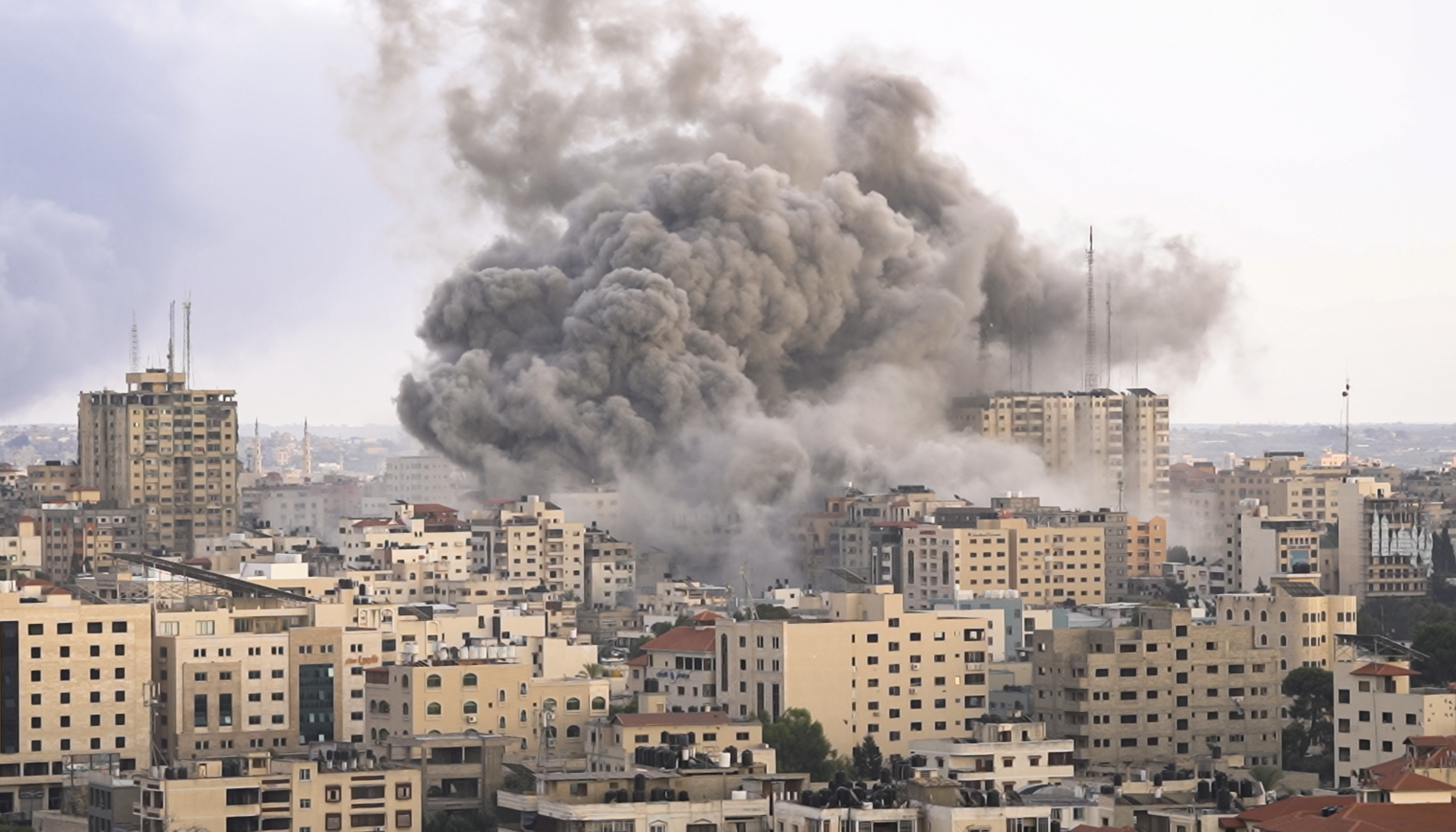
A recent audit by the Pentagon’s oversight agency has revealed significant gaps in the tracking of billions of dollars in American military assistance provided to Israel following the outbreak of the war in Gaza.
The Department of Defense Inspector General report, released last week, concluded that the Pentagon failed to maintain proper accountability for a large portion of the $13.4 billion in military aid sent to support Israel after the deadly Hamas attacks on Oct. 7, 2023. As of November 2024, the Department of Defense (DoD) maintained accurate records for only 44 percent of the defense articles that are legally subject to enhanced monitoring—a sharp decline from the 69 percent tracking rate recorded prior to the conflict.
Why It Matters
The United States has provided Israel with more than $200 billion in military and economic assistance since World War II, making the integrity of these transfers a matter of significant fiscal and national security interest. Under the Arms Export Control Act, federal law mandates strict oversight of defense articles sold, leased, or exported to foreign partners through end-use monitoring programs.
When these tracking mechanisms fail, investigators warn that the risk of sensitive American military technology being diverted increases significantly. The report highlights that lapses in accountability could allow U.S. weaponry to fall into the hands of hostile actors, potentially compromising the technological edge of the U.S. military and its allies in the region.
What To Know
The investigation identified staffing constraints and the chaotic operational environment within Israel as the primary drivers behind the oversight gaps. Between October 2023 and April 2024, officials reported an inability to track 42 specific deliveries containing more than four million munitions, largely because the equipment was deployed into active military operations almost immediately upon arrival.
The partially redacted audit did not specify the exact types of defense articles involved but noted that U.S. Central Command (CENTCOM) and the Defense Security Cooperation Agency “did not conduct adequate oversight of the EEUM [enhanced end-use monitoring] program in Israel.”
This is not the first time the Pentagon has faced such difficulties in conflict zones. The report notes that CENTCOM encountered similar tracking challenges during the Iraq War between 2013 and 2017, where a hostile environment limited the ability of personnel to conduct necessary appraisals.
What People Are Saying
The Inspector General’s office emphasized the severity of the security implications in their findings.
“Without effective accountability, these [enhanced end-use monitoring, or EEUM] defense articles could be acquired by adversaries in the region,” the report stated. “Adversaries who obtain EEUM defense articles would have firsthand access and knowledge of sensitive U.S. weapon systems technology, decreasing the technological advantage in the battlefield and increasing the risk to the United States, partner nations, and allies.”
What Happens Next
To address these vulnerabilities, the Inspector General has proposed that CENTCOM conduct a Security Cooperation Organization inspection of the Office of Defense Cooperation-Israel in fiscal year 2026. This inspection could be conducted either in-person or remotely. According to the report, the command has agreed to implement this recommendation.
These oversight issues come to light as the region navigates a fragile peace. A U.S.-brokered ceasefire in Gaza, which took effect in mid-October, recently led to the release of the last 20 surviving hostages in the enclave in exchange for nearly 2,000 Palestinian prisoners and detainees. Future aid deliveries will likely face increased scrutiny to ensure compliance with monitoring protocols.


