
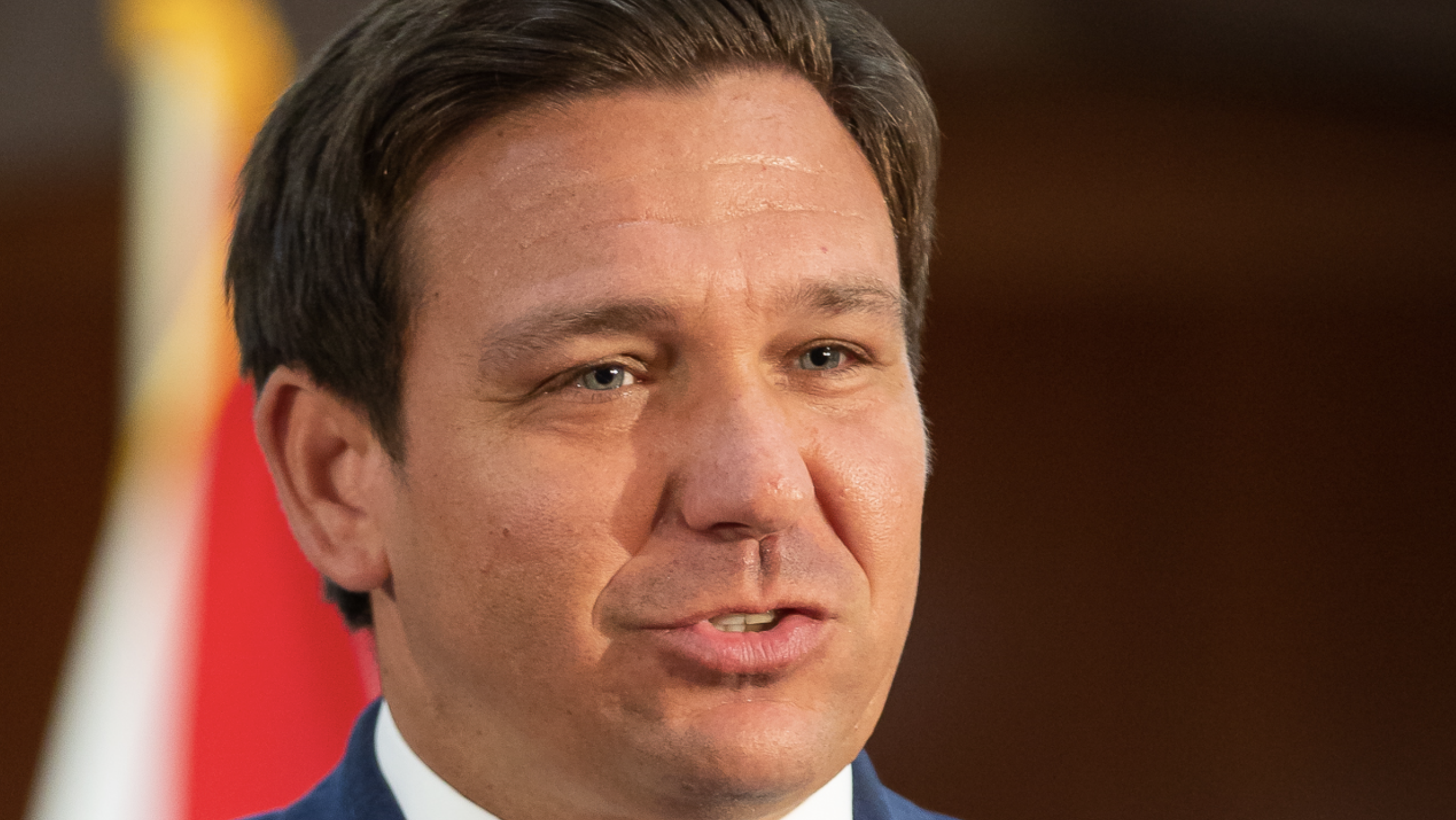
Florida Governor Ron DeSantis said in prior months that homeowners “don’t own” their homes if they must continue paying property taxes indefinitely, remarks that came months before the Florida House approved a proposed constitutional amendment to phase out most non-school property taxes on homesteaded properties.
“You should own your property free and clear,” DeSantis said during a previous roundtable discussion. “To say that someone that’s been in their house for thirty-five years just has to keep ponying up money — you don’t own your home, if that’s the case.”
The event, titled “Gov. DeSantis speaks on Florida property tax relief,” was held in Jacksonville and covered proposals for property tax relief in the state. Other officials also participated in the discussion.
Ron DeSantis on property taxes:
— Vivek Sen (@Vivek4real_) February 21, 2026
"If I go to Best Buy and buy a TV, I pay a sales tax—but I don’t keep paying taxes on it year after year!" pic.twitter.com/nhr4Haqecx
Months later, the Florida House passed House Joint Resolution 203 on February 19, 2026, by a vote of 80-30, according to legislative records. The resolution proposes a constitutional amendment that would gradually increase Florida’s homestead exemption for non-school ad valorem taxes by $100,000 per year for ten years beginning in 2027 and make homestead property fully exempt from non-school property taxes starting in 2037.
Under the proposal’s ballot summary, homesteaded properties would remain subject to school district levies.
In his May 2025 remarks, DeSantis compared property taxes to sales taxes, arguing that ongoing taxation on property differs from one-time transaction taxes.
“If I go to Best Buy and buy a flat-screen TV and put it on the wall, I got to pay a sales tax on it, right? But I don’t keep paying tax on it every year,” he said. “If you’re gonna tax something, you tax it at the transaction and then let people actually enjoy their private property, free and clear of the government.”
DeSantis also referenced Alexander Hamilton’s writings in the Federalist Papers, saying Hamilton argued that indirect taxes were more effective because individuals could control how much they paid through consumption.
“Taxing property is one of the worst forms of taxation because people don’t have a choice in the matter and you’re just basically drilling these folks over and over again on tax,” DeSantis said, describing what he characterized as Hamilton’s position.
House Joint Resolution 203 now moves to the Florida Senate. If approved there, the proposed amendment would appear on the November 2026 general election ballot. Constitutional amendments in Florida require at least 60 percent voter approval to take effect.
The resolution also includes a provision prohibiting counties and municipalities from reducing total law enforcement funding below the higher of their fiscal year 2025-2026 or 2026-2027 levels, notwithstanding potential reductions in ad valorem revenue tied to the amendment.
If approved by both chambers and by voters, the amendment would take effect January 1, 2027, according to the resolution text.


