
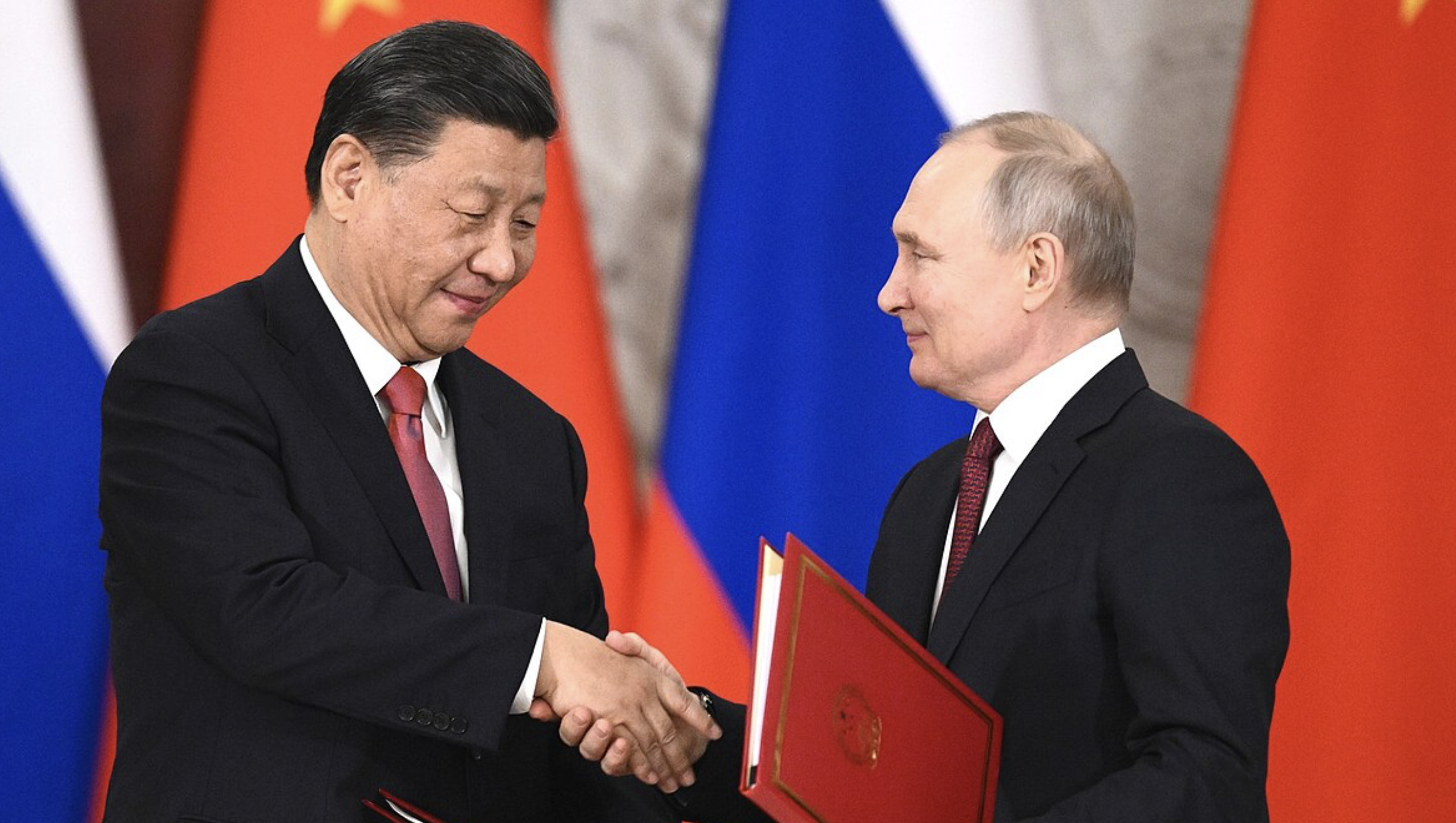
The “no-limits partnership” between Moscow and Beijing has evolved from a diplomatic framework into a critical logistics and economic lifeline that sustains the Russian Federation’s ongoing military operations in Ukraine. Nearly four years after the 2022 invasion, analysis confirms that the strategic alignment is no longer a peripheral concern but a core component of Russia’s ability to withstand Western sanctions. Evidence suggests that Beijing has effectively replaced European markets as Russia’s primary economic partner, making the outcome of the conflict in Ukraine a pivotal factor in the broader effort to contain Chinese global influence.
The sustainability of the Russian war effort is increasingly measurable through its reliance on Chinese industrial output and energy consumption. Key data points include:
- Dual-Use Acquisitions: According to trade data, approximately 80% of sanctioned dual-use items required for Russian military production are currently sourced from the People’s Republic of China.
- Technological Components: Chinese exports of fiber-optic cables and lithium-ion batteries—both essential for the production and operation of Unmanned Aerial Vehicles (UAVs)—have seen a documented surge since the implementation of Western export controls.
- Energy Market Pivot: Following the loss of access to the European Union energy market, Russia has redirected its hydrocarbons eastward. China has absorbed significant volumes of Russian oil and gas, often at steep discounts, providing the Russian Ministry of Finance with the liquidity necessary to fund military expenditures.
- Trade Volume: Bilateral trade between the two nations reached record highs in the post-2022 period, effectively neutralizing the isolationist intent of the U.S. Department of the Treasury sanctions.
Challenging the Global Democratic Order
The partnership between President Xi Jinping and President Vladimir Putin is driven by a shared geopolitical objective: the erosion of the U.S.-led democratic international order. This alignment is not merely a marriage of convenience but a structural response to what both nations perceive as Western encroachment.
By sustaining Russia’s military-industrial base, Beijing ensures that the North Atlantic Treaty Organization (NATO) remains preoccupied with a high-intensity European conflict, thereby stretching Western resources and attention. This strategic diversion allows China to maintain its posture in the Indo-Pacific while observing the efficacy of Western military technology and sanctions regimes in a live theater. The redirection of Russian energy to China further integrates the two economies, creating a bloc that is increasingly insulated from external economic pressure.
Strategic Implications for Western Policy and Global Stability
Expert analysis indicates that the stability of the Chinese-Russian axis is heavily contingent on the perceived success of the Russian military. A Russian defeat in Ukraine would likely serve as a significant strategic setback for Beijing, demonstrating the limits of its “no-limits” support and the continued efficacy of Western alliances.
However, there are inherent risks in this geopolitical calculus:
- Over-Reliance on Beijing: While China has provided a lifeline, Russia’s increasing economic subservience to Beijing creates long-term vulnerabilities for Moscow, potentially turning Russia into a junior partner in a lopsided relationship.
- Secondary Sanctions: Organizations such as the Center for Strategic and International Studies (CSIS) have highlighted the risk of secondary sanctions on Chinese financial institutions. If the U.S. and its allies decide to target the banks facilitating dual-use trade, the partnership could face its most significant stress test to date.
- Limitations of Support: Despite the volume of dual-use goods, China has remained cautious regarding the direct transfer of lethal weaponry, seeking to avoid a complete rupture with G7 markets.
Ultimately, the conflict in Ukraine is no longer a localized European dispute but a proxy for the future of global hegemony. As reported by the Atlantic Council, the degradation of Russian military power is now inextricably linked to the containment of Chinese strategic ambitions.


