
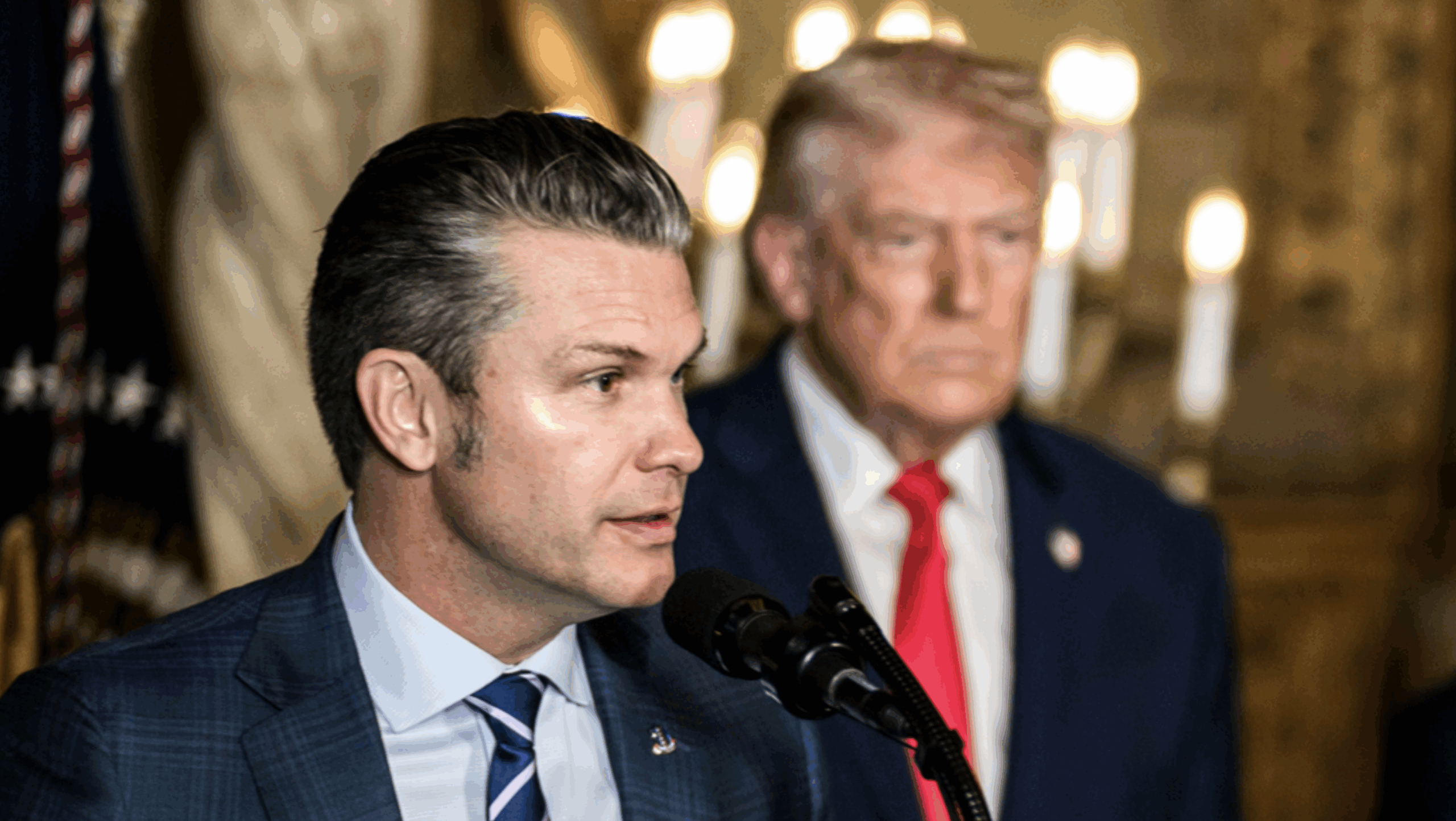
The United States has initiated a significant military intervention in West Africa, launching powerful and deadly strikes against Islamic State-affiliated militants in northwestern Nigeria. The operation, announced by President Donald Trump, targeted gunmen in Sokoto State who have been accused of carrying out brutal attacks on civilian populations. While the Nigerian military has spent years struggling to contain various insurgencies, this direct U.S. involvement represents a major shift in the regional counter-terrorism strategy.
Why It Matters
Nigeria is Africa’s most populous nation, and its stability is central to the continent’s economy and security. The rise of groups like the Islamic State Sahel Province (ISSP) and the local faction known as Lakurawa threatens to destabilize not just Nigeria, but also its neighbors. By engaging in joint US strikes, the two nations are attempting to halt the expansion of an insurgency that has exploited political vacuums along the porous border with Niger. The escalation comes at a time when Nigeria’s military is increasingly overstretched, battling multiple armed groups across different regions simultaneously.
What to Know
The primary targets of these operations appear to be two specific IS-linked factions operating in the northwest. The first, Lakurawa, emerged in Sokoto around 2017 after being invited by local authorities to protect communities from bandits. However, the group eventually overstayed its welcome, enforcing a harsh interpretation of Sharia law and clashing with the very leaders who recruited them.
The second group, the Islamic State Sahel Province (ISSP), has been expanding from Niger into Nigeria, often operating covertly to infiltrate border communities. According to official government statements, the ISIS-linked camps targeted in the strikes were instrumental in the groups’ ability to launch attacks on security forces and remote villages. Analysts note that these groups became more active following a 2023 military coup in Niger, which fractured regional security cooperation.
What People Are Saying
President Trump characterized the militants as “viciously killing, primarily, innocent Christians,” though security analysts point out that the violence has devastated both Christian and Muslim communities across the region. U.S. Defense Secretary Pete Hegseth signaled a continued aggressive posture, posting “More to come…” on social media following the initial engagement.
Domestically, Nigerian officials have emphasized that the mission was a collaborative effort. By engaging in strategic coordination, Nigeria was able to maintain its role in the operation and avoid the prospect of unilateral U.S. action on its soil. However, researchers like Malik Samuel of Good Governance Africa warn that the “absence of the state” in remote areas is what allows these groups to present themselves as an alternative government to the local population.
What Happens Next
The long-term impact of the strikes remains to be seen. While air power can disrupt militant logistics and destroy established hideouts, experts argue that the security crisis is deeply rooted in social issues. Nigeria’s Minister of Defense, Christopher Musa, has stated that military action represents only 30% of the solution, with the remaining 70% dependent on good governance, poverty reduction, and job creation. Moving forward, the international community will be watching to see if the U.S. sustains this level of military involvement or if the focus shifts back to supporting Nigerian-led ground initiatives.


