
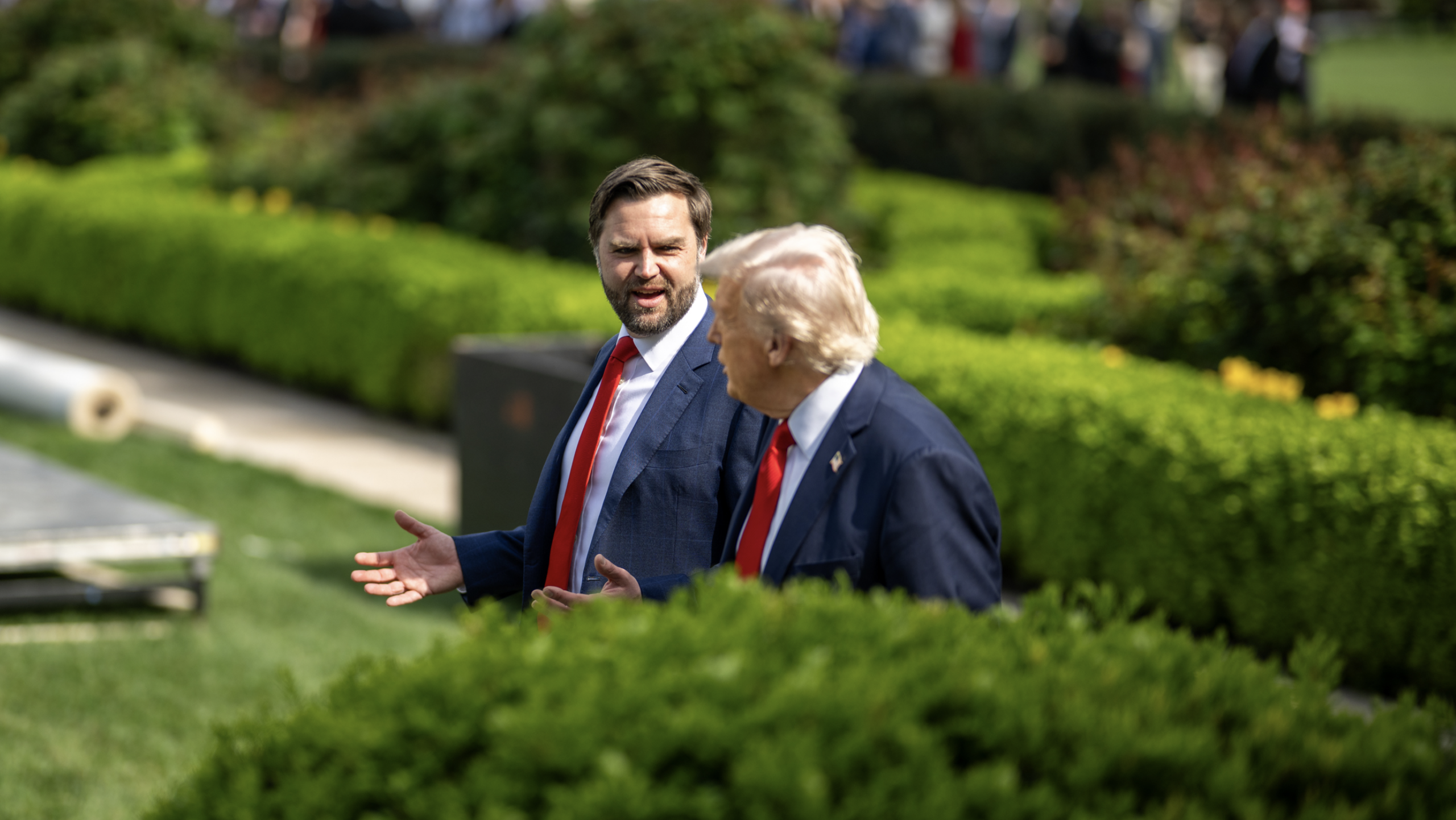
US Vice President JD Vance is leading an effort by some senior aides to persuade President Trump to engage in last-ditch negotiations with Iran over its nuclear program before authorizing fresh military strikes, The Wall Street Journal reported.
White House officials say Trump currently leans toward military action in response to Iran’s crackdown on nationwide protests that began in late December and escalated this month.
Speaking to reporters on Air Force One Sunday, Trump confirmed that Tehran had messaged Washington the day before offering to enter negotiations on its nuclear program.
“A meeting is being set up” though the U.S. was still considering “very strong options” he could authorize before talks, Trump said.
A spokesman for Vance, William Martin, stated Monday that Vance and Secretary of State Marco Rubio “together are presenting a suite of options to the president, ranging from a diplomatic approach to military actions.”
Trump has not made a final decision and is scheduled to meet with senior aides Tuesday to determine next steps, officials said.
Options under consideration include military strikes on regime sites, cyberattacks, new sanctions, or boosting antiregime messaging online.
Trump told reporters he may need to act before any meeting “because of what is happening.”
Iranian Foreign Minister Abbas Araghchi said Monday that his country was “ready for negotiations but these negotiations should be fair, with equal rights and based on mutual respect.” He added that if talks are not possible, Iran “is fully prepared for war.”
Araghchi confirmed he had contacted U.S. special envoy Steve Witkoff over the weekend seeking meetings with the administration.
White House press secretary Karoline Leavitt said Trump prefers diplomatic resolutions but is always open to military force.
“The truth is, with respect to Iran, nobody knows what President Trump is going to do except for President Trump,” she said in a statement.
She later told reporters that bellicose public messages from Iran differ from its private communications, adding that “the president has an interest in exploring those messages.”


