
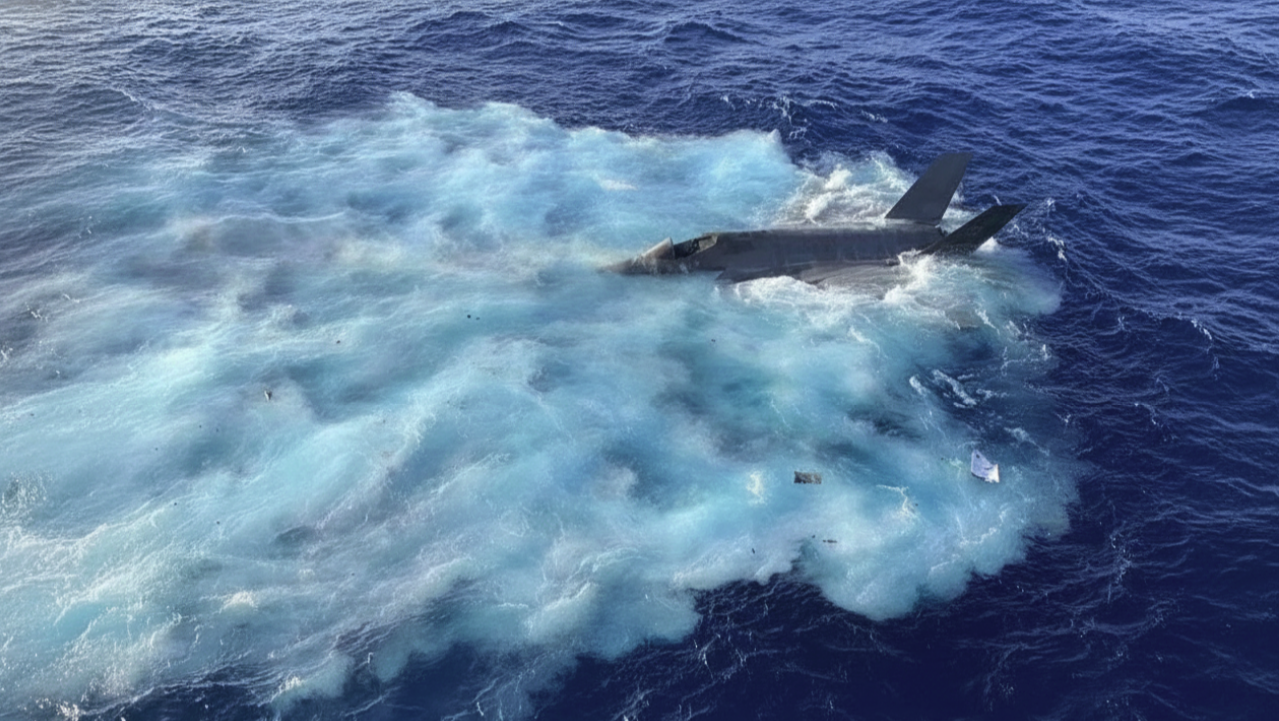
The US Navy successfully recovered an F/A-18F Super Hornet and an MH-60R Seahawk helicopter that crashed within 30 minutes of each other in the South China Sea on October 26, 2025—winning a race against time to prevent sensitive American military technology from falling into Chinese hands.
The Incidents
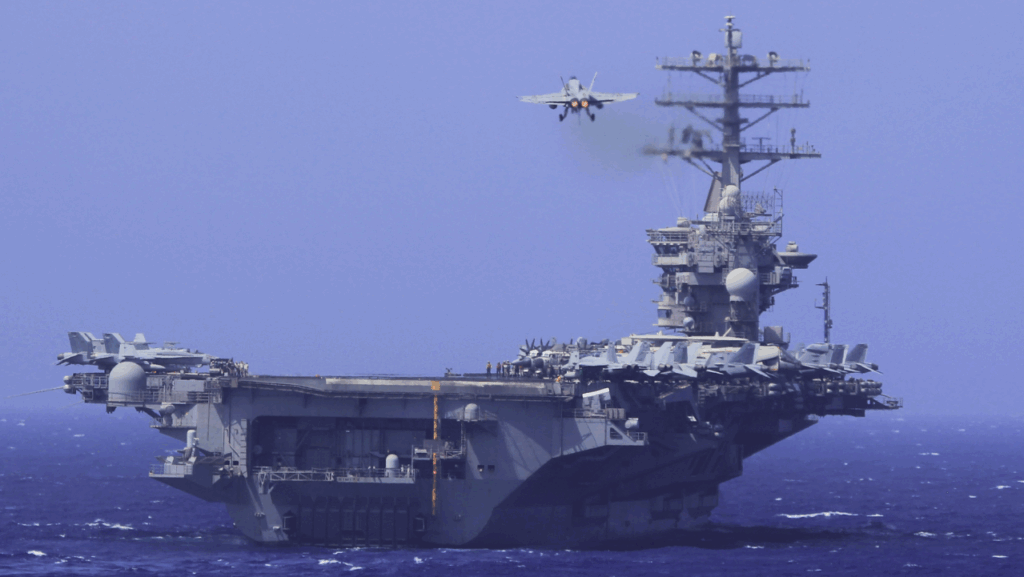
Two aircraft from the USS Nimitz crashed in separate incidents during routine operations in the South China Sea. At 2:45 PM local time, an MH-60R Sea Hawk helicopter from Helicopter Maritime Strike Squadron 73 went down, followed 30 minutes later at 3:15 PM by an F/A-18F Super Hornet from Strike Fighter Squadron 22.
All five crew members—three from the helicopter and two from the fighter jet—were safely rescued and are in stable condition, the US Pacific Fleet confirmed.
The rapid succession of crashes raised immediate questions about the cause. President Donald Trump suggested contaminated fuel as a possible culprit, telling reporters aboard Air Force One: “It could be bad fuel. I mean, it’s possible it’s bad fuel. Very unusual that that would happen.”
Two unnamed sources confirmed to USNI News that contaminated fuel was being investigated as a potential factor in both incidents.
Successful Recovery
The Navy successfully recovered both aircraft in early December. Recovery crews located and retrieved both aircraft from a depth of approximately 400 feet in the South China Sea, the Navy announced Monday.
The recovery effort was led by Lt. Cmdr. Christopher Andersen of Task Force 73, with support from Task Force 75, the Naval Sea Systems Command’s Supervisor of Salvage and Diving, and Mobile Diving and Salvage Unit CTG 73.6.
“Everyone involved brought critical expertise ensuring we could safely and successfully bring these aircraft back under U.S. custody,” Andersen said in a statement. “This operation highlights the importance of naval integration, readiness, and the unmatched capability of our salvage and diving teams.”
All recovered aircraft components are being transported to a designated U.S. military installation in the Indo-Pacific region for detailed analysis. The incidents remain under investigation.
Strategic Implications
[Carl Schuster, former head of the US Pacific Command’s Joint Intelligence Center, told CNN that acquiring the airframes would provide China valuable insights into US technology](https://www.cnn.com/2025/11/20/asia/us-navy-south-china-sea-aircraft-salvage-intl-hnk-ml#:~:text=The current US recovery effort,by a Navy recovery team.). “China is now prioritizing the upgrading of its anti-submarine warfare systems,” Schuster noted. “So, recovering that helicopter should enjoy a high priority.”
The MH-60R Seahawk is the Navy’s most advanced anti-submarine warfare helicopter, equipped with sophisticated sensors and weapons systems. The F/A-18F Super Hornet is a frontline carrier-based strike fighter valued at approximately $70 million.
China’s response to the crashes was swift. Chinese Foreign Ministry spokesman Guo Jiakun stated: “The US is flexing its muscles by sending military aircraft into the South China Sea frequently, and this serves as a root cause for sabotaging regional peace and stability and maritime security issues”.
Context: USS Harry S. Truman Investigation
The Nimitz crashes occurred against the backdrop of a separate Navy investigation into aircraft losses from another carrier. On December 4, 2025, the Navy released findings on four incidents involving the USS Harry S. Truman during its Middle East deployment, citing “substandard practices, knowledge and other failures”.
Three F/A-18 Super Hornets were lost from the Truman: one due to an arresting wire malfunction, one from friendly fire, and one that fell overboard during evasive maneuvers against an incoming Houthi ballistic missile.
The back-to-back crashes from the Nimitz—the Navy’s oldest active aircraft carrier, commissioned in 1975—highlight ongoing challenges in naval aviation safety and readiness. The successful recovery operation underscores both the strategic sensitivity of aircraft losses in contested waters like the South China Sea and the Navy’s capability to rapidly retrieve sensitive technology before it can be accessed by rival powers.


