
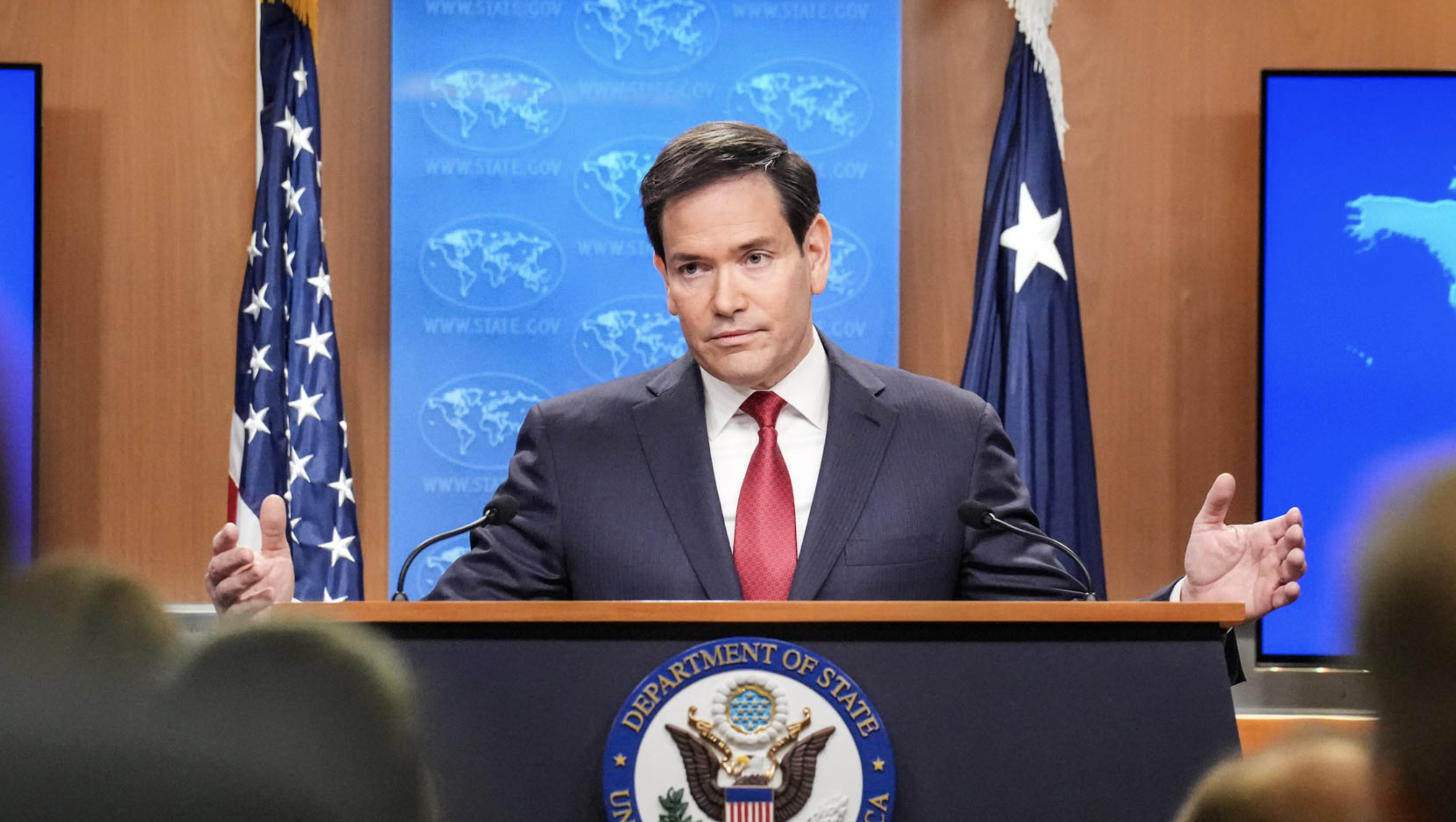
A simmering diplomatic feud between Washington and Brussels over online speech regulations boiled over on Wednesday after the Trump administration barred five prominent European figures from entering the United States. The State Department accused the group—which includes a former top EU official and several NGO leaders—of leading efforts to censor American viewpoints.
Why it Matters
The move marks a significant escalation in the administration’s campaign against what it views as “extraterritorial censorship” by foreign entities. It signals that the U.S. is willing to use immigration tools to retaliate against foreign regulators and activists who pressure American tech platforms, potentially threatening the long-standing stability of transatlantic digital policy.
What to Know
Secretary of State Marco Rubio announced the restrictions on Tuesday, citing a policy unveiled in May that targets foreign nationals believed to be coercing U.S. technology companies into suppressing protected speech. Rubio framed the decision as a necessary defense of American sovereignty against ideological pressure from abroad.
“For far too long, ideologues in Europe have led organized efforts to coerce American platforms to punish American viewpoints,” Rubio stated. “The Trump Administration will no longer tolerate these egregious acts.”
The sanctions target high-profile individuals deeply involved in the global debate over misinformation and content moderation. Topping the list is Thierry Breton, the former EU Commissioner for Internal Markets. Breton was a key architect of the Digital Services Act (DSA), a sweeping European law regulating online platforms.
Also barred are Imran Ahmed, CEO of the Center for Countering Digital Hate (CCDH); Clare Melford, head of the Global Disinformation Index (GDI); and Josephine Ballon and Anna-Lena von Hodenberg, leaders of the German non-profit HateAid.
Under Secretary of State for Public Diplomacy Sarah Rogers justified the specific targets on X (formerly Twitter), stating simply: “If you spend your career fomenting censorship of American speech, you’re unwelcome on American soil.”
Rogers specifically pointed to Breton’s clash with Elon Musk in August 2024, noting the former commissioner had threatened Musk regarding compliance with EU laws just prior to a livestream interview with President Trump. She also highlighted the CCDH’s “Disinformation Dozen” report, which advocated for deplatforming twelve Americans—including current Health and Human Services Secretary Robert F. Kennedy Jr.—over vaccine skepticism.
The ban lands in the middle of a tense standoff regarding the EU’s regulatory reach. Just weeks ago, European regulators fined Musk’s X platform approximately $140 million for alleged violations of the DSA. That fine drew a sharp rebuke from Vice President JD Vance, who urged Europe to stop “attacking American companies.”
What People are Saying
European officials reacted to the visa bans with immediate condemnation. The European Commissionwarned it would “respond swiftly and decisively” to protect its regulatory autonomy, maintaining that the DSA protects fundamental rights.
French Foreign Minister Jean-Noël Barrot criticized the U.S. stance, arguing the DSA was democratically adopted and has no jurisdiction within the United States.
Those targeted by the ban remained defiant. Breton took to social media to compare the move to the Red Scare of the 1950s.
“Is McCarthy’s witch hunt back?” Breton asked on X. “To our American friends: ‘Censorship is not where you think it is.’”
Similarly, HateAid’s leadership denounced the restrictions as an “act of repression,” stating they were being penalized for defending human rights and would not be intimidated.
What Happens Next
The restrictions effectively prevent the targeted individuals from attending conferences, meetings, or personal visits in the U.S. indefinitely. Diplomatic channels are likely to remain strained as Brussels considers reciprocal measures or formal protests.
Observers will be watching closely to see if the State Department expands the list to include current EU regulators enforcing the DSA, or if American tech companies change their compliance strategies in Europe to align with the Trump administration’s aggressive stance on free speech.


