
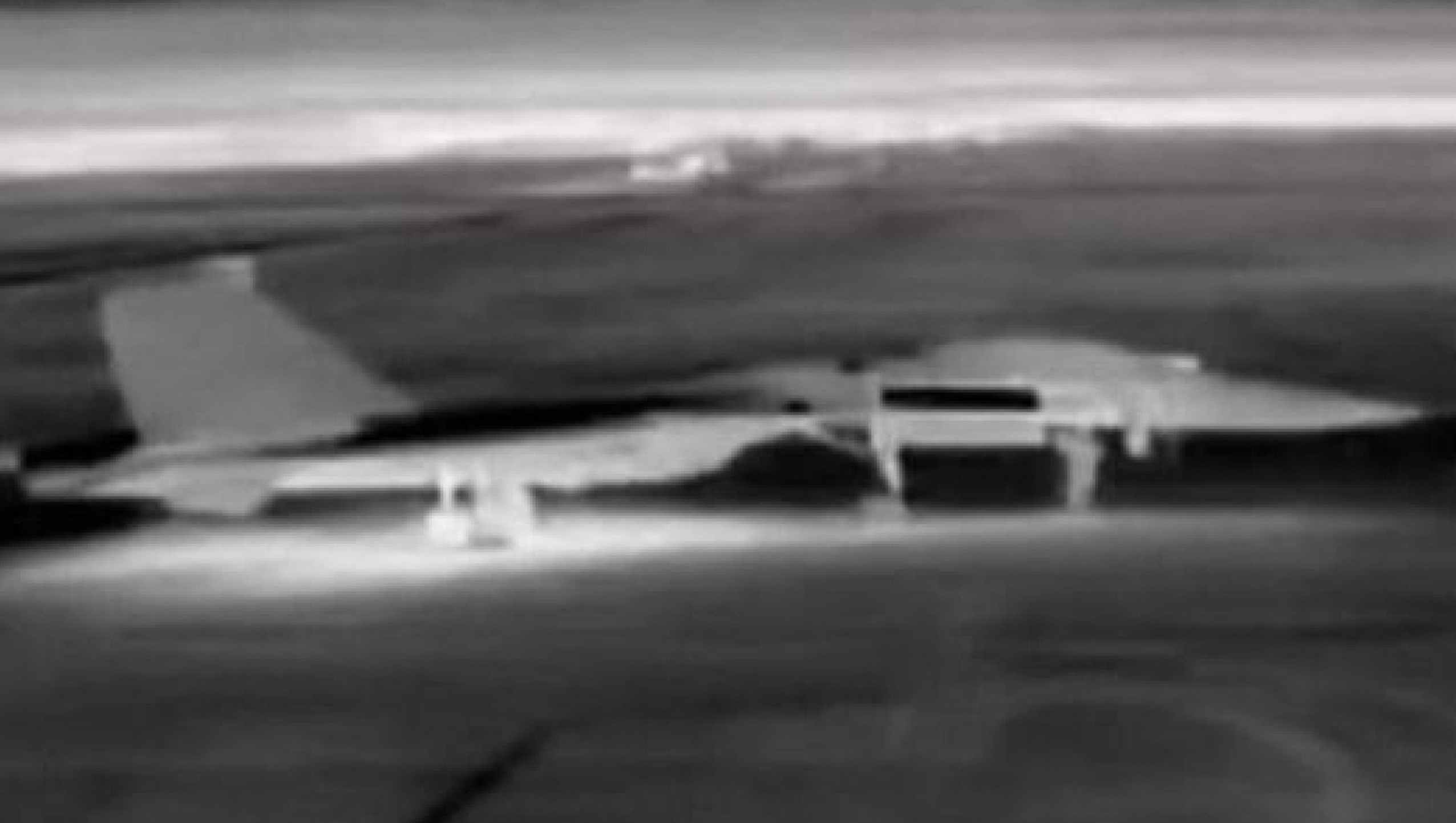
In a targeted operation on the night of December 19-20, long-range drones operated by the Security Service of Ukraine (SSU) Alpha Special Operations Centre successfully struck the Belbek military airfield in Russian-occupied Crimea. This engagement resulted in the destruction of high-value aviation assets and the degradation of airfield infrastructure, marking the second major strike on this facility within a 72-hour window. According to reports from the Security Service of Ukraine and corroborated by local outlets such as Ukrainska Pravda and the Kyiv Post, the operation specifically targeted Russian fighter jets positioned for active sorties, disrupting immediate aerial operations in the Black Sea region.
Quantitative Impact Assessment
The following data points summarize the confirmed hardware losses and infrastructure damage sustained by Russian forces at the Belbek facility:
- Primary Aviation Losses (Dec 19-20): Two Sukhoi Su-27 fighter jets. One aircraft was reportedly destroyed on the taxiway while carrying a full combat load.
- Estimated Financial Loss: The SSU estimates the combined value of the two Su-27 jets at approximately US$70 million.
- Infrastructure Damage: Confirmed damage to the airfield’s control tower, a critical node for flight coordination and regional air traffic management.
- Cumulative Attrition (Dec 18 Strike): A preceding strike on December 18 neutralized assets valued in the hundreds of millions of dollars, including:
- Two Nebo-SVU radar systems.
- One 92N6 radar (a component of the S-400 Triumf surface-to-air missile system).
- One Pantsir-S2 air defense system.
- One MiG-31 interceptor equipped with a full combat load.
Crimean Anti-Access/Area Denial (A2/AD) Capabilities
The systematic targeting of Belbek represents a calculated effort to dismantle the Russian Federation’s Anti-Access/Area Denial (A2/AD) envelope over the Crimean Peninsula and the Black Sea. By prioritizing the destruction of early-warning radar systems (Nebo-SVU) and sophisticated air defense components (S-400/Pantsir-S2) alongside offensive airframes, the SSU is creating “blind spots” in the Russian defensive perimeter.
This operational shift highlights a transition from frontline attrition to deep-rear logistical and technological disruption. The destruction of aircraft on the taxiway, ready for departure, suggests a high level of real-time intelligence and precision, indicating that Russian airfields—once considered safe havens—are now consistently within the effective range of Ukrainian long-range unmanned aerial vehicles (UAVs). The damage to the control tower further exacerbates these losses by introducing friction into the command-and-control (C2) structure necessary for maintaining high-tempo flight operations.
Implications for Black Sea Security and Logistics
The degradation of the Belbek airfield poses significant logistical challenges for the Russian Aerospace Forces (VKS). Expert analysis suggests that the persistent threat of drone strikes may force a relocation of high-value assets to airfields within mainland Russia. Such a move would significantly increase flight times, fuel consumption, and maintenance requirements, thereby reducing the effective “time-on-station” for Russian patrols over the southern operational theater.
However, several operational risks remain:
- Escalation Dynamics: Increased strikes on Crimean infrastructure often prompt retaliatory missile barrages against Ukrainian energy and civilian infrastructure.
- Asset Dispersal: Russia may adopt more sophisticated dispersal tactics or enhance electronic warfare (EW) umbrellas around key airfields, potentially lowering the success rate of future UAV incursions.
- Replacement Lag: While Russia maintains a sizable fleet, the loss of specialized airframes like the Su-27 and MiG-31, coupled with advanced radar systems, is difficult to mitigate quickly due to the impact of international sanctions on high-tech components.
The Security Service of Ukraine has indicated that these actions are part of a broader, sustained campaign to neutralize the military potential of occupied territories, suggesting that the frequency of such high-impact operations is likely to remain steady in the coming months.


