
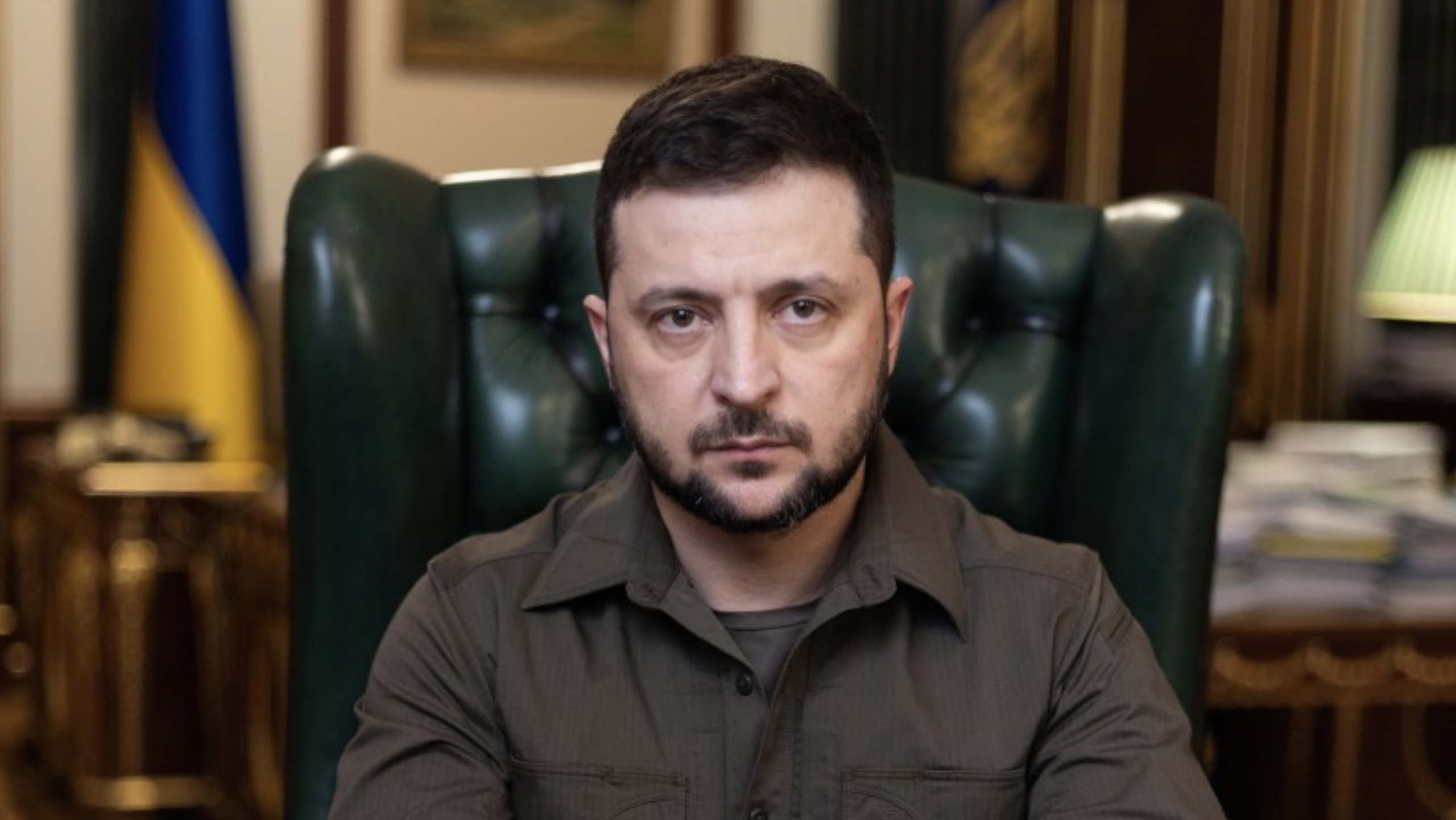
A confidential 20-point peace framework aimed at ending the conflict between Kyiv and Moscow is sparking intense alarm among Western military officials and diplomats. The proposal, which serves as a potential roadmap for a ceasefire, includes a mandate for Ukraine to cap its military strength at 800,000 soldiers—a 20 percent reduction from the roughly one million personnel currently under arms. While Ukrainian President Volodymyr Zelenskyy secured this figure as a concession from an original proposal of 600,000, critics warn that the deal effectively creates a permanent military imbalance, as Russia faces no equivalent restrictions on its own force structure.
Why it matters
The framework threatens to fundamentally alter the security of Eastern Europe by dismantling a battle-hardened force that has spent four years integrating NATO-standard systems and intelligence. As Russia prepares for a fourth year of war with a defense budget that consumes roughly 7.2 percent of its GDP, Ukraine is being asked to shrink its army while carrying a military burden that accounts for over a third of its annual economic output. For many, the plan represents a “stress test” that risks leaving Kyiv’s allies to carry a deterrence burden they are not yet prepared to hold.
What to know
The human and economic stakes of the negotiation are stark. In a high-profile interview with Piers Morgan, Zelenskyy confirmed that over 45,000 Ukrainian soldiers have been killed, a toll that reflects the loss of roughly one in 20 fighting-age men across the country. This sacrifice has been compounded by systemic atrocities, including findings from humanitarian research that tens of thousands of children were forcibly taken across the Russian border.
Despite the ongoing talks, Moscow has continued its aerial campaign; last weekend, Russia launched nearly 500 drones and 40 missiles at Kyiv, leaving a third of the capital without heat. The current proposal includes a demilitarized zone along lines that Russian forces have not yet captured on the battlefield. Meanwhile, Ukraine’s domestic drone industry has reached a production capacity of four million units annually, outpacing the combined output of the NATO alliance it is defending.
What people are saying
Military experts and regional leaders are voicing deep skepticism regarding the framework’s lack of enforcement. Retired Lt. Gen. Ben Hodges, former commander of U.S. Army Europe, warned that a demilitarized zone without a credible “shoot back” authority for observers is simply a freeze that favors the aggressor. Zelenskyy echoed this sentiment in a social media post, stating that while the Kremlin engages in lengthy talks, their missiles and drones speak for them.
The rhetoric from Moscow remains defiant. Russian Foreign Minister Sergei Lavrov recently used a disputed claim of an attack on Vladimir Putin’s residence to signal that Moscow would “review” its negotiating position. In Europe, Polish Prime Minister Donald Tusk has warned that the continent is already witnessing a new type of war as Russian drones frequently breach NATO airspace. Amidst these pressures, Zelenskyy maintains that Ukraine will never be an obstacle to a just peace, though he is pushing for security guarantees that span 30 to 50 years rather than the 15 years currently being floated.
What happens next
The path to a finalized deal is blocked by significant procedural and financial hurdles. Any security architecture involving the U.S. or Europe will require legislative ratification, a process that could leave the nature of the guarantees undefined. On the economic front, efforts to fund Ukraine’s defense through frozen Russian assets have stalled as countries like Belgium demand additional financial safety nets.
As Russia targets a 2026 recruitment targetof over 400,000 new soldiers, the long-term sustainability of the ceasefire remains in doubt. Without a mechanism to make the war financially unbearable for Moscow, officials fear the current path leads toward a fragile pause rather than a permanent end. “We all see where this is heading,” one senior diplomat said. “And it scares the bejesus out of us.”


