
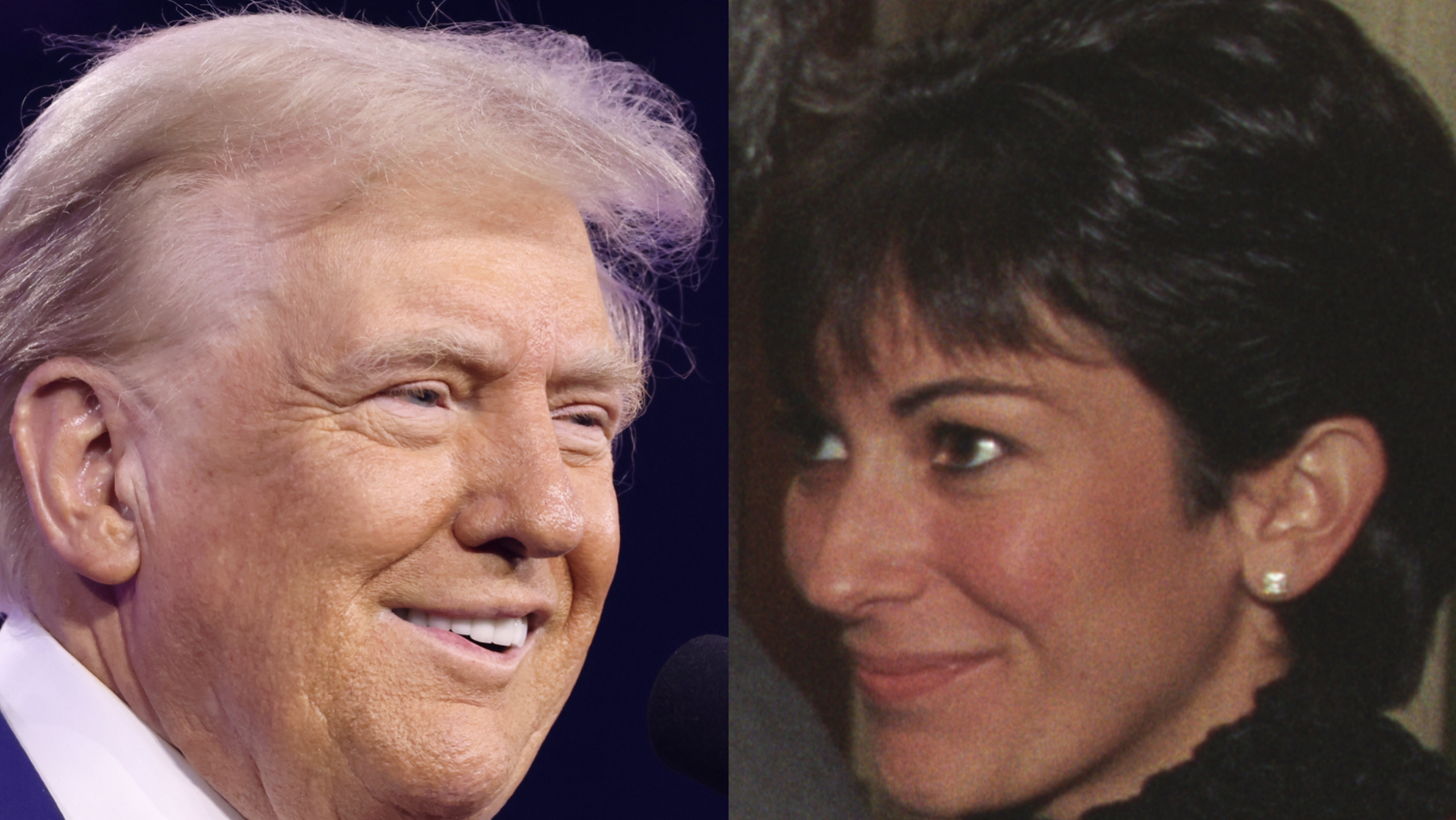
President Donald Trump declined to rule out the possibility of issuing a pardon or commutation for Ghislaine Maxwell, the convicted accomplice of Jeffrey Epstein, telling reporters that he “hadn’t thought about it” but that he was “allowed to do it.” The exchange came amid heightened public and political scrutiny over the extensive release of documents related to Epstein’s sex-trafficking network, including files in which Trump’s name appears frequently. Maxwell, serving a 20-year federal sentence for her role in aiding Epstein’s abuse of minors, has continued to attract attention from lawmakers and the media as debates over accountability and transparency in the case persist.
Trump on pardoning Ghislaine Maxwell:
— HustleBitch (@HustleBitch_) February 6, 2026
"I'm allowed to do it." pic.twitter.com/bkPuQyGH8d
When a reporter asked whether he would consider a pardon or commutation for Maxwell, Trump responded that it was “something I haven’t thought about” and reiterated that he has the constitutional authority to grant clemency. Pressed on whether that meant he would not rule it out, his remarks did not directly foreclose the option. The comments reflect ongoing questions about the administration’s handling of fallout from the Epstein case and the broader release of government files tied to it.
Maxwell was a close associate of Epstein for years before their respective legal troubles. Epstein, a wealthy financier, was arrested in 2019 on charges of sex trafficking of minors and conspiracy but died in his Manhattan jail cell that year. Maxwell was later convicted in 2021 on multiple counts related to facilitating Epstein’s abuse of underage girls and is currently serving her sentence at a federal facility, with ongoing appeals pending.
The conversation over her potential pardon is occurring against the backdrop of recent disclosures from the so-called “Epstein files.” A massive trove of documents released under the Epstein Files Transparency Act and subsequent disclosures has drawn attention across Washington, with searching functions showing that Trump’s name appears prominently — in the thousands of references according to government records and legislative summaries. While appearance of a name in these files is not evidence of any crime, the frequency of mentions has kept the story in the spotlight. Reports indicate that in the release of emails and related documents, Trump’s name was referenced over 1,500 times. The volume of mentions has fueled both political debate and media coverage about the extent of connections between the late financier and high-profile figures.
Despite the ongoing attention, Trump’s public remarks on the matter have remained circumspect. His statement that he “hadn’t thought about” a pardon for Maxwell, coupled with an acknowledgment that he has the power to do so, leaves open a range of possibilities that legal experts and political observers are watching closely. The issue has drawn responses from within the Republican Party as well; some leaders have expressed concern about the idea of clemency for Maxwell, emphasizing the severity of her crimes and the sensitivities surrounding the Epstein scandal. As the debate continues, Maxwell remains incarcerated, and the broader implications of the Epstein files and related political fallout are likely to remain a subject of scrutiny in the months ahead.


