
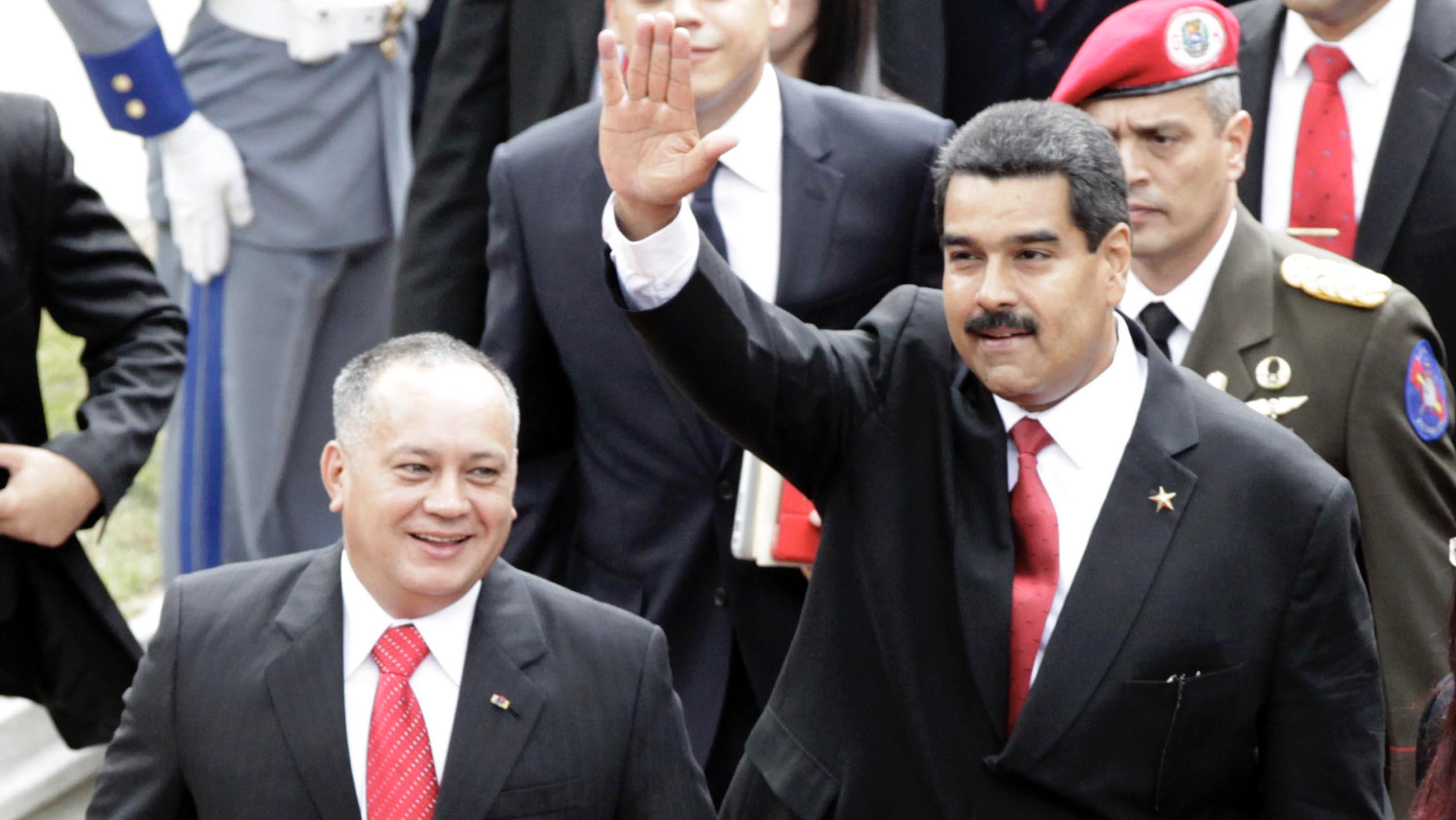
In the wake of the high-stakes military operation that saw Nicolás Maduro taken into U.S. custody, the Trump administration has reportedly issued a stark warning to Venezuela’s Interior Minister, Diosdado Cabello. According to sources familiar with the transition, Washington is prepared to treat Cabello as a high-priority target unless he ensures stability under Interim President Delcy Rodríguez and adheres to a strict set of American demands.
Why It Matters
The U.S. strategy in Caracas has taken a pragmatic, if controversial, turn by relying on former Maduro loyalists to maintain order rather than immediately installing the democratic opposition. This shift aims to prevent a total power vacuum that could trigger regional instability, mass migration, or a violent uprising from pro-government “colectivos.” By pressuring figures like Cabello, the administration hopes to secure the country’s vast energy infrastructure and restore order without the need for American ground forces.
What to Know
Following the capture of Maduro and his wife, Cilia Flores, in a Saturday raid, the U.S. has leaned on a classified CIA assessment suggesting that Maduro’s top aides are currently the only ones capable of maintaining control. Delcy Rodríguez has emerged as the primary interlocutor for Washington, viewed as a technocrat who may be willing to cooperate on oil-related issues.
However, the U.S. is maintaining “maximum leverage” over this interim leadership. Demands include the expulsion of Cuban and Iranian personnel, a crackdown on the narcotics trade, and the reopening of the oil industry to American companies. To ensure compliance, officials have identified Rodríguez’s assets in Qatar for potential seizure and reminded Cabello that he remains under a federal indictment with a multimillion-dollar bounty on his head.
What People are Saying
Internal sentiment within the administration suggests that the recent raid was only the beginning of a broader campaign. “This remains a law enforcement operation, and we are not done yet,” an official from the U.S. Justice Department told reporters.
Outside analysts are concerned about the friction between the interim leaders. Geoff Ramsey, a non-resident senior fellow at the Atlantic Council, noted that Cabello has long served as the regime’s “enforcer,” a role that makes him both a necessary and dangerous component of the current transition. This history of domestic espionage and repression was previously highlighted by the United Nations, which found that security forces under Cabello’s influence committed crimes against humanity to crush political dissent.
What Happens Next
The Trump administration expects to see measurable progress toward its objectives within a matter of weeks. While the short-term goal is a controlled transition to protect U.S. interests, the long-term plan involves moving toward new elections, though a specific timeframe has not been established. According to a report from Reuters, U.S. authorities are also working to co-opt mid-level Venezuelan officials to ensure that the government remains acquiescent to Washington’s interests as they look for ways to eventually move the old guard into exile.


