
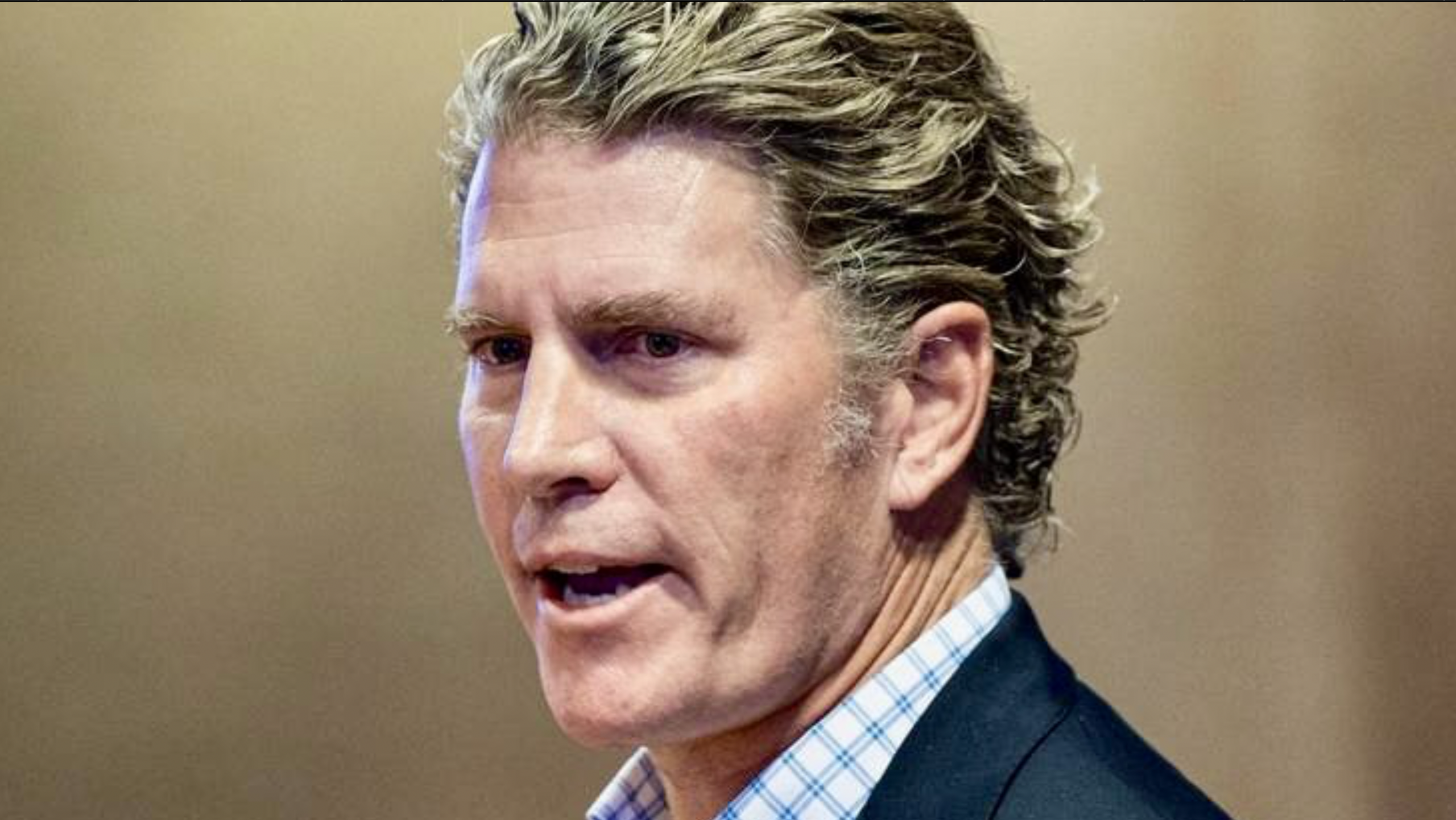
Texas Railroad Commission candidate Bo French is drawing renewed attention in the closing stretch of the Republican primary after a series of social media posts in which he sharply criticized immigration and argued for sweeping deportations. French, a former Tarrant County Republican Party chairman, has framed his comments as a defense of national identity and constitutional principles, while critics have characterized his rhetoric as inflammatory and divisive.
In one recent post, French wrote, “One thing that should be crystal clear by now, those of us who love this country and our culture are done putting up with those who hate our country and us. We have been the sleeping giant and you have just FA too much. FO time is coming and it is not going to be Pretti.”
One thing that should be crystal clear by now, those of us who love this country and our culture are done putting up with those who hate our country and us. We have been the sleeping giant and you have just FA too much. FO time is coming and it is not going to be Pretti.
— Bo French (@BoFrenchTX) February 25, 2026
His message prompted pushback from many, one of which who responded that “Threatening ‘FO’ time against your own neighbors isn’t patriotism, it’s a temper tantrum with a savior complex.” French replied, “Actually, removing all the foreigners who shouldn’t be here is about the most patriotic thing one can do.”
Actually, removing all the foreigners who shouldn't be here is about the most patriotic thing one can do.
— Bo French (@BoFrenchTX) February 25, 2026
The exchange reflects a broader theme that has defined French’s campaign for a seat on the Texas Railroad Commission, a powerful regulatory body that oversees the state’s oil and gas industry, pipeline safety and aspects of energy production. Despite its name, the commission does not regulate railroads but plays a central role in Texas’ energy economy. The Republican primary for the seat is scheduled for March 3, 2026.
French has repeatedly called for what he describes as mass deportations at a large scale. In a separate social media thread responding to statistics about welfare usage among immigrant-headed households, he wrote, “We have to deport 100 million people. I am the first person who started using that figure a couple years ago. They all must go.”
We have to deport 100 million people. I am the first person who started using that figure a couple years ago. They all must go.
— Bo French (@BoFrenchTX) February 24, 2026
His rhetoric has extended beyond immigration levels to broader cultural and ideological concerns. In one post, he asserted that immigrants from “third worlders, who brought Islam, have teamed up with Marxists” and are openly discussing plans to harm or subjugate Americans if given power. He described the threat as existential and preventable, writing that Americans are “allowing” it but “don’t have to.”
Entire neighborhoods have been transformed into third world favelas. Third worlders, who brought islam, have teamed up with marxists, and now together they openly talk about rounding us all up when they take power and disposing of us.
— Bo French (@BoFrenchTX) February 22, 2026
French previously served as chairman of the Tarrant County Republican Party from 2023 until resigning in November 2025 to run for statewide office. His campaign has emphasized themes of defending Texas, confronting what he describes as left-wing ideology and reshaping public policy to reflect what he views as the country’s founding principles.
He is challenging incumbent Railroad Commission Chair Jim Wright in the Republican primary, alongside other candidates. The race comes at a time when immigration policy remains a dominant issue in both Texas and national politics, with debates continuing over border enforcement, visa programs and the economic and social impacts of migration.
French’s statements have amplified divisions within Republican circles over how aggressively to pursue immigration enforcement and how broadly to define who should be subject to removal. As early voting approaches, his comments have positioned him as one of the most outspoken candidates in the contest, tying cultural and constitutional arguments directly to his campaign for a seat on one of the state’s most influential regulatory bodies.


