
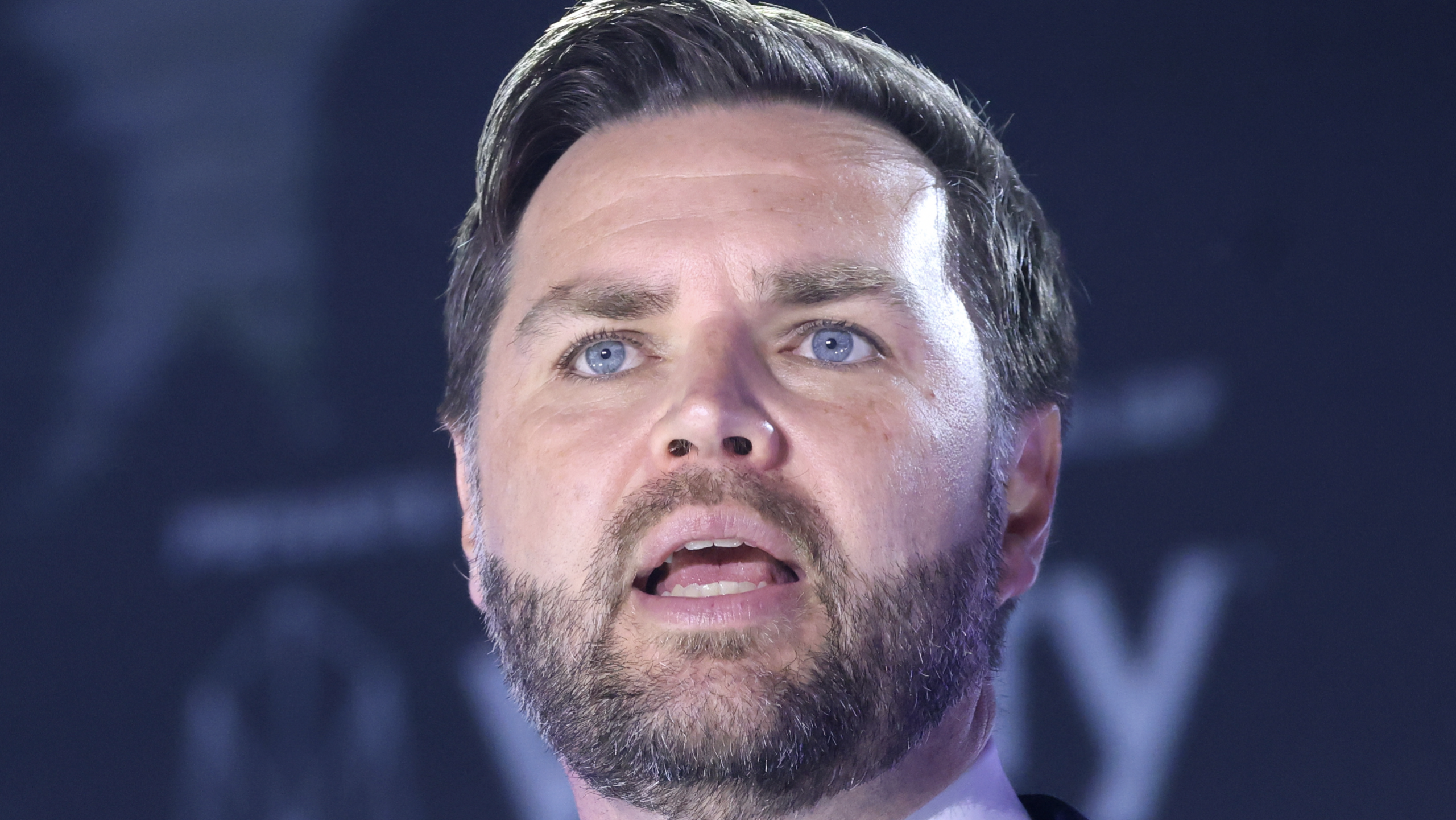
Vice President J.D. Vance said President Trump is deliberately reshaping global alliances and economic relationships, arguing that a “new world order” is already underway and that the administration is prepared to disrupt long-standing international arrangements in pursuit of an America First agenda. Speaking in an interview with Megyn Kelly, Vance framed recent tensions with European allies and broader shifts in trade and security as part of a larger realignment in global power.
JD Vance on the new world order:
— Clash Report (@clashreport) February 4, 2026
There’s a new world order and Trump is willing to shake up some old alliance structures.
I mean NATO I think is much different because of Trump’s leadership than it was 10 years ago.
It was effectively a protectorate of the United States of… pic.twitter.com/QiCNvchhsG
“I think there is a new world order. The president has sought it. There’s a new world order in trade, in globalization, in the way we invest in our economy versus foreign supply chains. There’s a new world order, and the president is willing to shake up old alliance structures,” Vance said.
Vance’s comments came amid ongoing debates over the future of U.S. alliances, particularly with Europe, and questions about whether Washington is recalibrating its traditional leadership role in transatlantic institutions. He pushed back on public criticism from European leaders, arguing that private conversations tell a different story.
“It’s so funny to me because the Europeans — they’re very friendly in private and willing to make a lot of accommodations. Then publicly they attack us and say, ‘We’re not going to work with the Americans. We’re not going to do anything with the Americans.’ I’m sorry, it’s all bogus,” Vance said. “Everybody knows this situation is going to come to a resolution. I think it’s going to be a resolution that’s good for Europe, and most importantly, good for the United States of America.”
JD Vance on Europe:
— Clash Report (@clashreport) February 4, 2026
The Europeans, they're so friendly in private and they're willing to make a lot of accommodations and then publicly they attack us and they say, “We're not going to work with the Americans. We're not going to do anything with the Americans.”
I'm sorry. It's… pic.twitter.com/CaUuASdKWZ
According to Vance, European governments have already made concessions to Washington, despite public rhetoric suggesting otherwise. He argued that claims of resistance to U.S. pressure do not reflect the reality of ongoing negotiations behind closed doors. The interview also addressed broader questions about whether the United States is moving away from Europe as its primary strategic partner. Asked whether the world is entering a new phase in which the U.S. might shift toward other alignments, Vance pointed to cultural and political differences he says are widening across the Atlantic.
“There’s a real question about that, given some of the speeches I’ve made to the European Union, some of the speeches President Trump has made, what’s happening culturally in Europe, their crackdowns on free speech. They look less and less like we do,” Vance said. “There’s a real question about whether a massive shift is happening now in terms of world alliances long term.”
Vance placed NATO at the center of that discussion, arguing that the alliance has already been transformed under Trump’s leadership. He said the president’s approach has forced allies to reassess their reliance on the United States and their own defense commitments. “NATO is much different because of the president’s leadership than it was 10 years ago. It was sort of coasting — effectively a protectorate of the United States of America,” Vance said.
He added that recent global events underscore the administration’s belief that the United States must take a more assertive role in shaping outcomes, while avoiding what he characterized as one-sided commitments. “So yes, the president is putting a stamp on world history, but fundamentally in an America First way. That’s the orienting focus,” Vance said.
The remarks reflect a broader effort by the Trump administration to redefine U.S. engagement abroad, emphasizing domestic investment, reduced dependence on foreign supply chains, and a reassessment of alliances formed in the post-Cold War era. As global tensions continue to evolve, Vance’s comments signal that the administration views disruption of established norms not as a risk to be managed, but as a necessary step in redefining America’s role in the world.


