
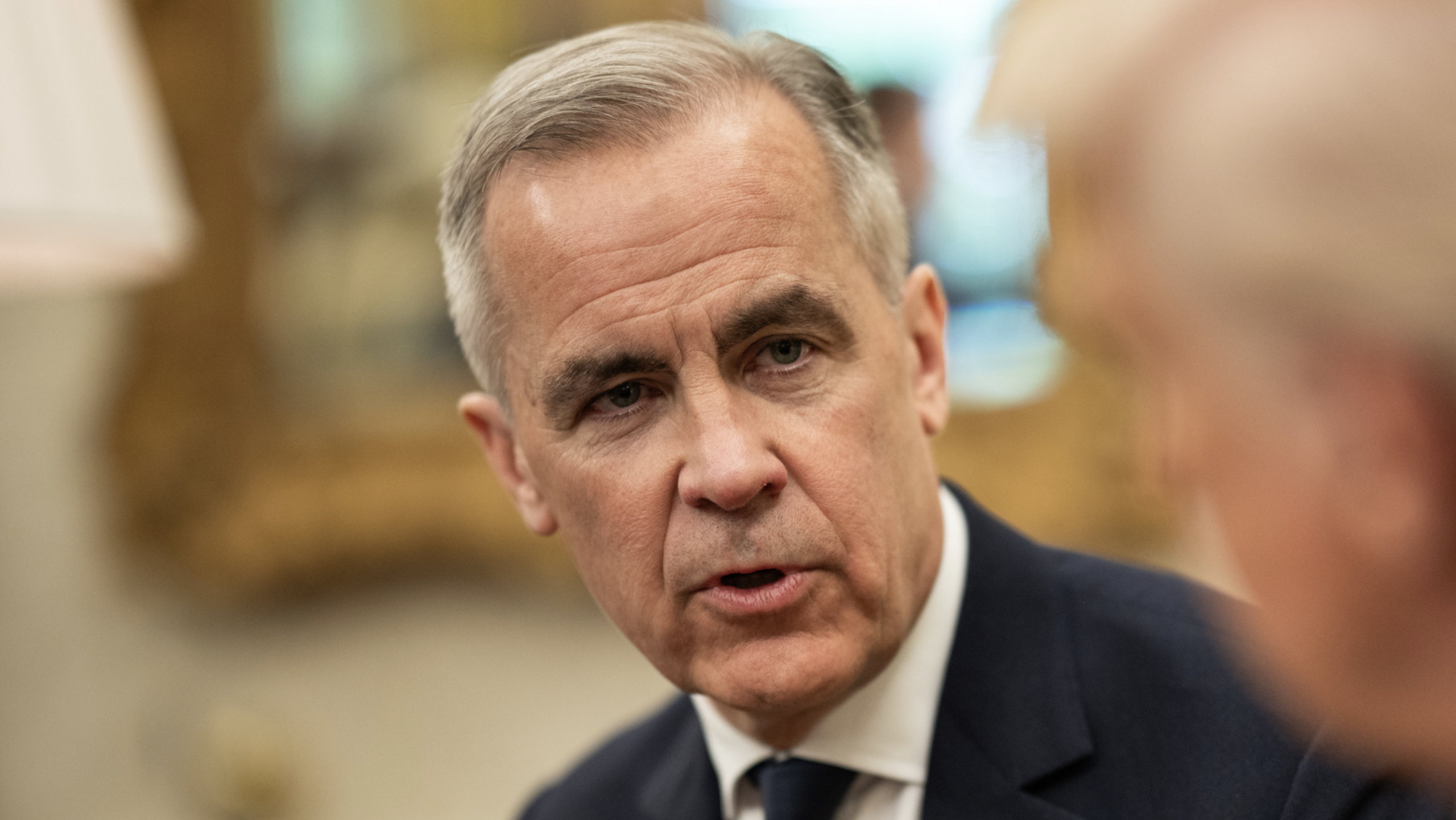
Canadian Prime Minister Mark Carney told the World Economic Forum in Davos on Tuesday that the rules-based international order is undergoing a fundamental rupture and that middle powers must adapt by building strategic autonomy and new coalitions rather than mourning the old system.
In a special address at the annual meeting, Carney said: “We know the old order is not coming back. We shouldn’t mourn it. Nostalgia is not a strategy. We believe from the fracture, we can build something better, stronger, more just.”
Carney described the current era as one of intensifying great power rivalry in which economic integration has become a tool of coercion. He referenced Czech dissident Václav Havel’s 1978 essay “The Power of the Powerless” to argue that the previous order persisted partly through countries’ willingness to participate in rituals they privately recognized as false.
He stated: “You cannot live within the lie of mutual benefit through integration when integration becomes the source of your subordination.”
Canadian PM Mark Carney:
— Clash Report (@clashreport) January 20, 2026
We know that the old order is not coming back. We shouldn’t mourn it.
Nostalgia is not a strategy. We believe from the fracture, we can build something better, stronger, more just. pic.twitter.com/GAjGrXV47s
Carney said multilateral institutions such as the WTO, UN, and COP are under threat, prompting many countries to pursue greater autonomy in energy, food, critical minerals, finance, and supply chains. While acknowledging this impulse as understandable, he warned that a world of isolated “fortresses” would be poorer, more fragile, and less sustainable.
The prime minister outlined Canada’s response as “value-based realism,” combining principled commitment to sovereignty, territorial integrity, prohibition of force except under the UN Charter, and human rights with pragmatic engagement.
Since taking office, his government has cut taxes on incomes, capital gains, and business investment; removed federal barriers to interprovincial trade; fast-tracked $1 trillion in investments in energy, AI, critical minerals, and trade corridors; and committed to doubling defence spending by the end of the decade.
Canada has signed a comprehensive strategic partnership with the EU, including joining SAFE defence procurement arrangements; concluded 12 trade and security deals across four continents in six months; and negotiated new partnerships with China and Qatar. It is pursuing free trade pacts with India, ASEAN, Thailand, Philippines, and Mercosur.
Carney emphasized “variable geometry” coalitions on specific issues, such as supporting Ukraine through the Coalition of the Willing, standing with Greenland and Denmark on Arctic sovereignty, and opposing tariffs over Greenland while calling for focused talks on shared Arctic security and prosperity.
He reiterated Canada’s unwavering commitment to NATO’s Article 5 and investments in northern and western flank security, including over-the-horizon radar, submarines, aircraft, and ground forces.
Carney said middle powers must act together to avoid negotiating from weakness with hegemons, stating: “If we’re not at the table, we’re on the menu.”
He called for naming realities plainly, applying consistent standards to allies and rivals, and building domestic strength and international diversification to reduce vulnerability to coercion.


