
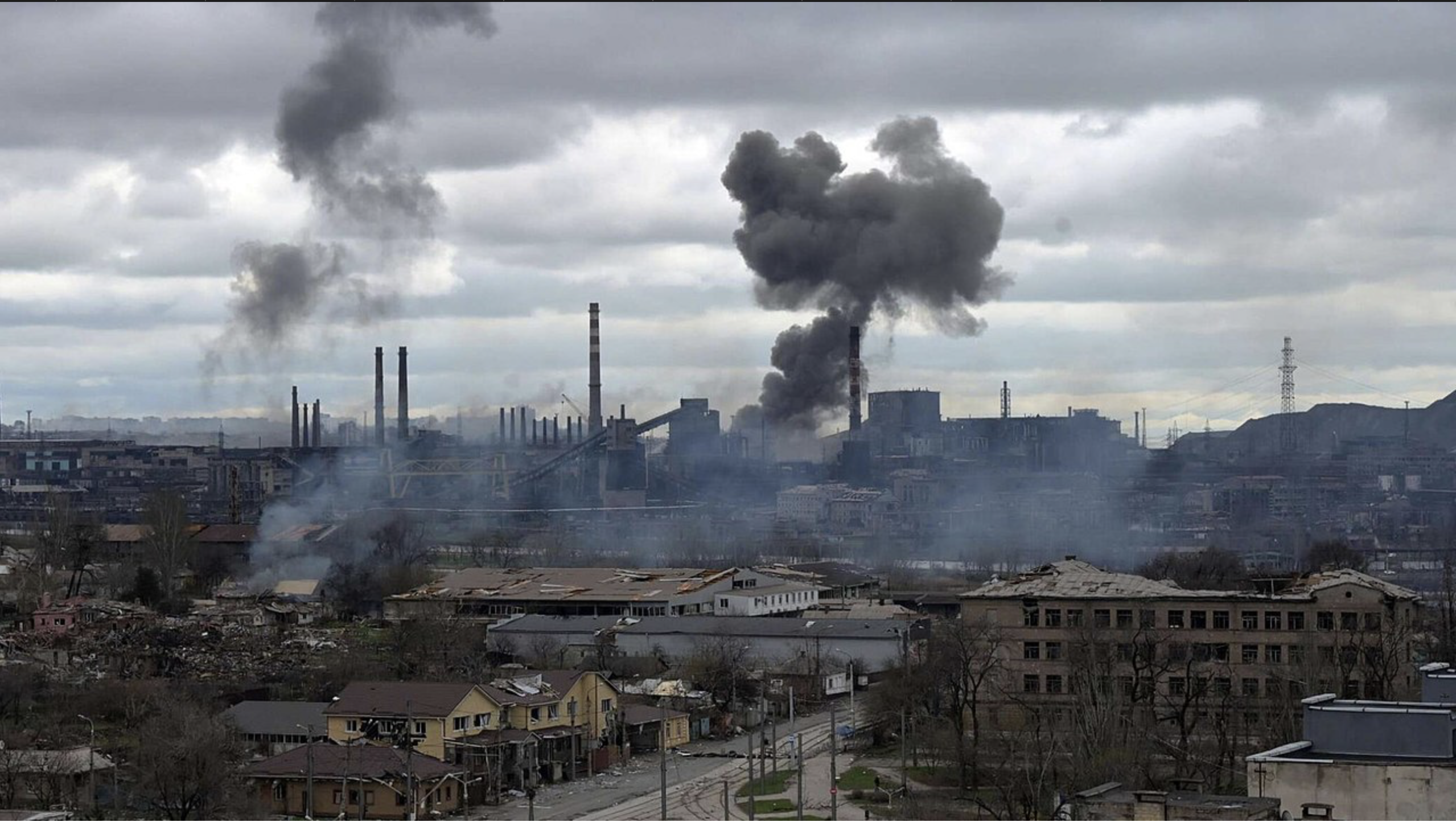
Russia’s largest industrial companies are warning that the country is facing its most severe industrial downturn since the late 1990s, as tougher sanctions, high borrowing costs and a sharp economic slowdown push key sectors toward recession, according to a new survey by the Institute of Economic Forecasting (IEF) of the Russian Academy of Sciences.
Why It Matters
The warning from big business suggests that Russia’s post‑2022 wartime economic model—heavily reliant on state spending, mega‑projects and defense orders—may be losing steam.
According to the IEF survey, top managers at major industrial firms now rate demand for their products at the worst levels since 1998, when Russia defaulted on its debt. Their assessments have fallen below the lows recorded during the 2009 global financial crisis and the 2015 sanctions shock that followed the annexation of Crimea.
The findings point to a shift from short‑term resilience—buoyed by massive state spending—to longer‑term structural strain in Russian industry.
What to Know
- Demand at multi-decade lows:
The IEF survey, reported by The Moscow Times, shows that large industrial companies see current sales conditions as the worst since 1998.- Demand assessments are now weaker than in 2009 (global financial crisis).
- They are also below 2015 levels, when Russia first faced Western sanctions over Crimea.
- Production plans slashed:
Factories and plants across Russia have cut production plans to their lowest level in 16 years, according to the IEF. The country’s industrial optimism index has dropped to its lowest reading since 2009, signalling that businesses expect further deterioration rather than recovery. - Slowing growth after state spending boom:
For two years, Russia’s federal budget channelled tens of trillions of rubles into:- Large-scale infrastructure and mega‑projects Defense contractors and military-linked industries
- Official data confirm industrial decline:
According to Russia’s federal statistics service Rosstat, industrial output in November fell 0.7% year-on-year. Within that:- Metallurgy declined 4.1%The chemical industry fell 1.7%Machine building dropped 5.4%
- Sectoral collapses in equipment and autos:
Some capital‑goods and transport sectors saw what the report describes as a full‑scale collapse:- Tractor production down 61.6%Bulldozers down 53.7%Lifts (elevators) down 37.2%Passenger railcar output: roughly halved
- Role of sanctions and financing conditions:
The IEF survey points to several overlapping pressures:- Stricter Western sanctions limiting access to technology, components and markets
- Higher interest rates on corporate loans, raising the cost of investment and working capital
- A broader economic slowdown, which is eroding domestic demand even as foreign markets remain restricted
What People Are Saying
- Industrial executives:
Top managers surveyed by the IEF describe current sales conditions as the most difficult in more than two decades. Their responses indicate:- Expectations of weak or falling orders in the months ahead
- Limited capacity to expand production without cheaper credit or stronger demand
- Economic researchers:
Analysts at the Institute of Economic Forecasting interpret the data as evidence that:- The earlier industrial upturn—driven by state contracts and military demand—is fadingInvestment plans are being shelved or scaled back amid uncertainty and high financing costs
- Broader geopolitical context:
While the IEF survey focuses on domestic industry, it comes against a backdrop of ongoing global security tensions, including continued Western sanctions and conflict‑linked disruptions. International coverage, such as reporting by Reuters on U.S. military operations abroad, underscores the wider climate of instability that shapes sanctions policy and external economic pressures on Russia.
What Happens Next
The IEF findings suggest several potential developments:
- Policy choices on rates and spending:
Russian authorities face a trade‑off between:- Keeping interest rates high to contain inflation and support the rubleEasing monetary policy to lower borrowing costs for industry
- Industrial restructuring pressures:
Deep declines in machinery, transport equipment and automotive output point to:- Possible consolidation or closuresamong weaker firms
- A search for new suppliers and markets as sanctions restrict traditional trade routes
- Longer-term growth impact:
If production plans remain at multi‑year lows and investment continues to fall, the IEF survey implies that:- Russia’s industrial base could shrink or technologically lag
- Future GDP growth may stay subdued even if short‑term shocks ease
The survey portrays an industrial sector entering its toughest phase since the post‑Soviet crises of the 1990s, with no quick rebound yet visible in either business expectations or official output statistics.


