
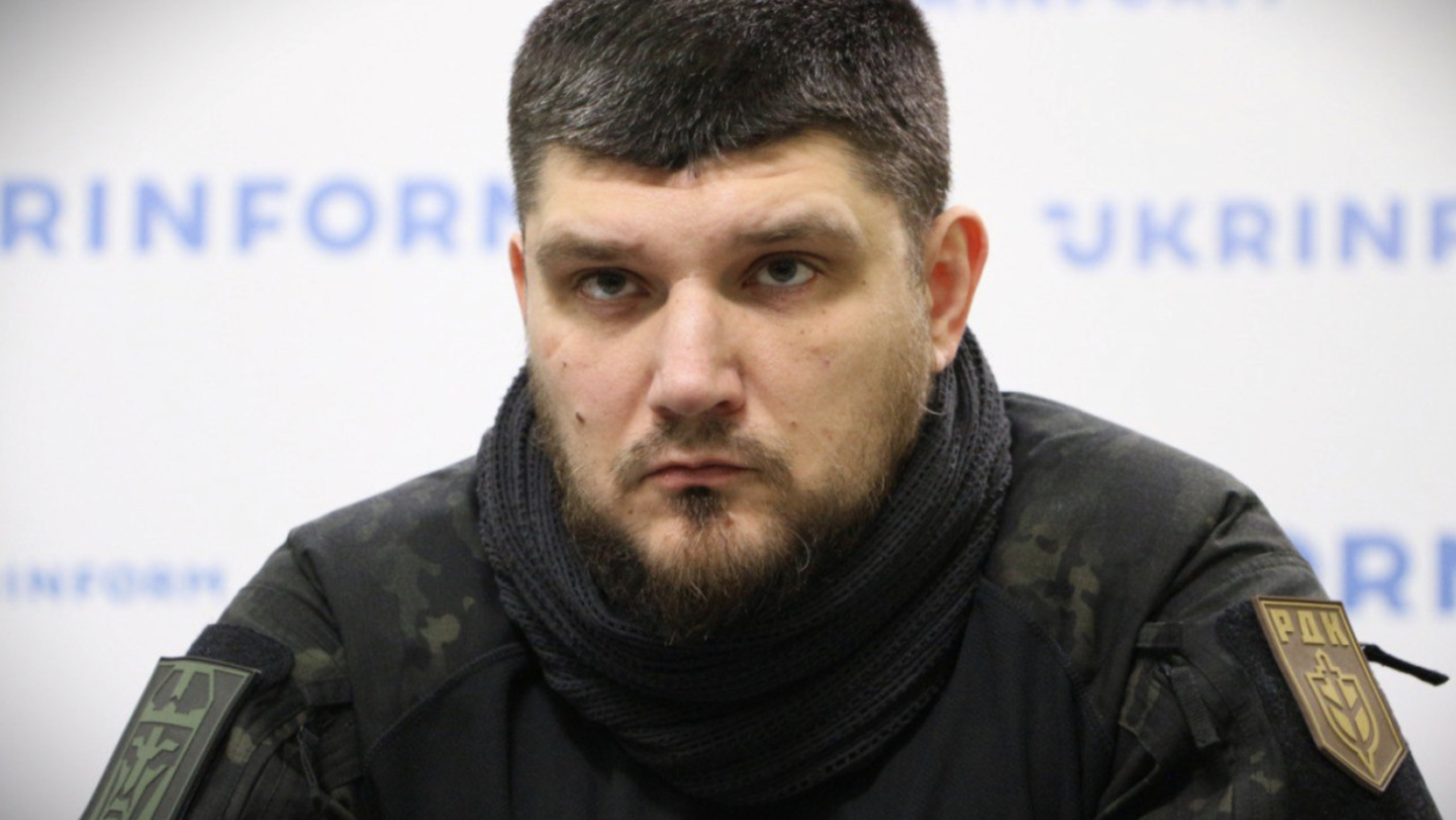
Ukraine’s military intelligence has revealed a high-stakes counterintelligence operation that successfully thwarted a Russian-ordered assassination of Denis Kapustin, the commander of the Russian Volunteer Corps (RDK). By faking Kapustin’s death in late December, Ukrainian officials managed to expose a network of Russian agents and reportedly intercepted a $500,000 bounty that Moscow had allocated for the hit.
Why It Matters
The operation highlights the growing sophistication of Ukrainian counterintelligence and the intense personal friction between the Kremlin and Russian defectors fighting for Kyiv. By turning an assassination plot into a financial and intelligence gain, Ukraine has delivered a significant psychological blow to Moscow’s special services, demonstrating an ability to infiltrate and manipulate Russian operational planning at the highest levels.
What to Know
The Defense Intelligence of Ukraine (HUR) confirmed that the operation to protect Kapustin, also known as “White Rex,” lasted more than a month. According to an official statement from the Defense Intelligence Directorate, the hit was ordered by Russian special services who consider Kapustin a personal enemy of the state.
On December 27, reports began to circulate that the commander had been killed, a claim that was initially corroborated by the Russian Volunteer Corps on social media to maintain the ruse. On January 1, however, HUR revealed that the “liquidation” was a controlled trap. Recent media reports indicate that the $500,000 intended for the assassins has instead been seized and redirected to fund Ukraine’s “Timur Special Unit,” the elite group under which Kapustin’s unit operates.
What People Are Saying
The head of HUR, Lieutenant General Kyrylo Budanov, addressed Kapustin directly during a video briefing following the reveal. “First of all, Mr. Denis, welcome back to life. That is always pleasant,” Budanov said, noting his satisfaction that the bounty money would now support the Ukrainian cause.
Kapustin himself appeared via video link to confirm he was unharmed and ready to resume his duties. The commander released a video statement to confirm his status, telling his followers that his “temporary absence” did not disrupt the success of ongoing combat tasks and that he remains in command of his unit on Ukrainian territory.
What Happens Next
With the sting operation concluded, Kapustin is expected to return to the front lines immediately. The intelligence gathered during the month-long operation is being used to further identify Russian handlers and executors involved in cross-border operations. Meanwhile, the RDK continues to bolster its military hardware; the unit recently integrated new “Katran” sea surface drones into its arsenal, signaling that the group intends to expand its specialized operations against Russian naval and coastal assets.


