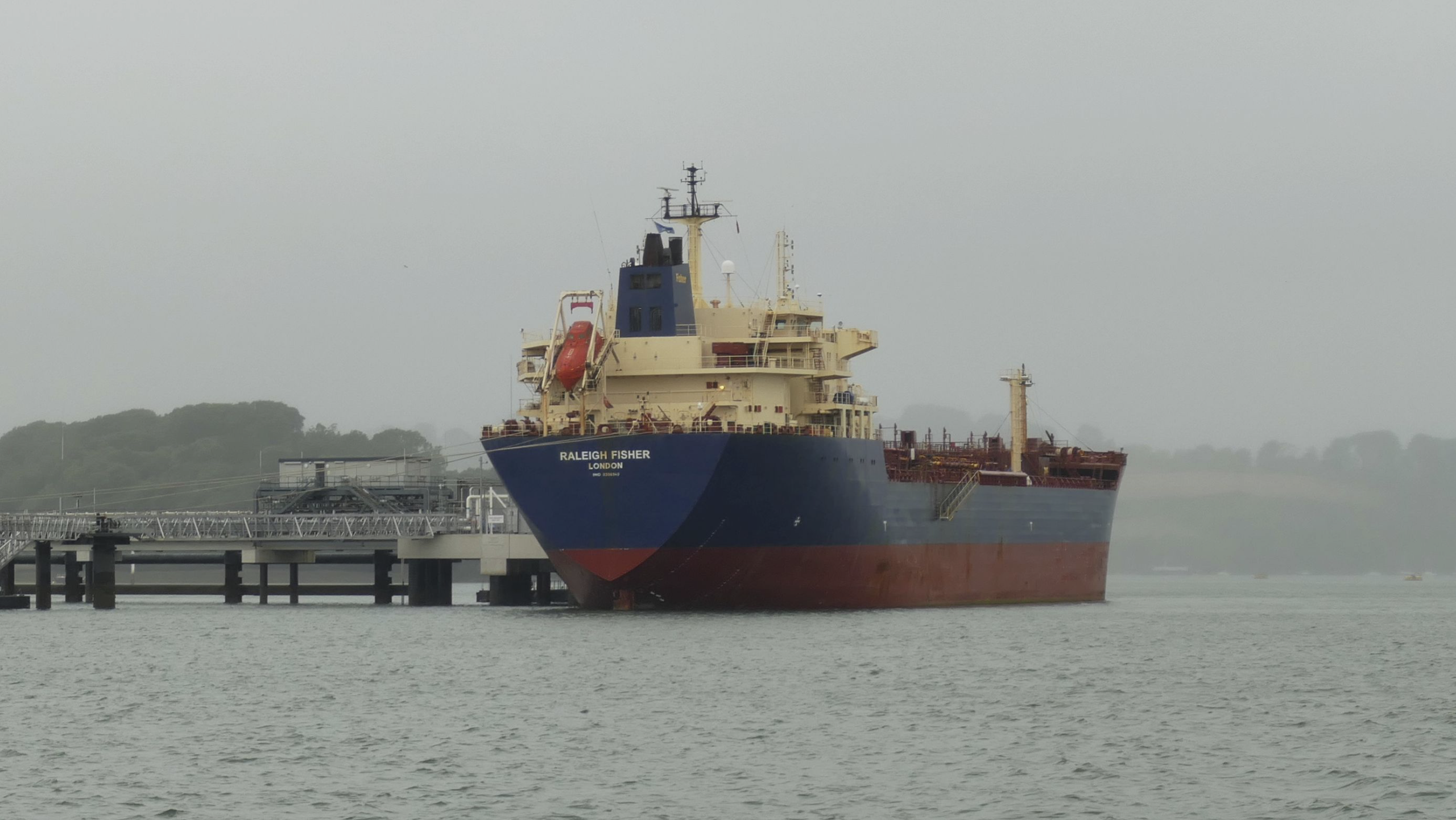
Russia has sharply expanded its so-called “shadow fleet” of oil tankers used to evade Western sanctions, with security analysts estimating the network now numbers between 900 and 1,200 vessels worldwide, according to reporting by
The Guardian.
European governments are investigating whether some of these ships were involved in recent incidents affecting undersea power and telecommunications cables, raising concerns about the security of critical maritime infrastructure. We reached out to the Russian government for comment; no response was immediately available.
Why It Matters
The expansion of Russia’s shadow fleet complicates sanctions enforcement while heightening fears of so-called hybrid warfare tactics that fall short of open military confrontation, analysts say.
Undersea cables carry the vast majority of global internet traffic and financial data, making them strategically sensitive assets for NATO members and European economies, according to prior analysis by
Reuters.
What To Know
The shadow fleet consists mainly of aging oil tankers with opaque ownership structures, frequent flag changes, and limited insurance coverage. Analysts say many of the vessels were acquired on the secondhand market after Russia’s full-scale invasion of Ukraine in February 2022, as Moscow sought ways to continue exporting oil despite price caps and trade restrictions, according to
the Financial Times.
European prosecutors have linked at least one tanker to damage sustained by undersea cables in the Baltic Sea. Finnish authorities charged crew members of the tanker Eagle S with causing damage after allegedly dragging an anchor across the seabed in late 2024, according to
Reuters.
Western officials caution that not all cable disruptions are necessarily acts of sabotage. Some incidents may be accidental, and several investigations remain ongoing, with no final judicial determinations made public.
Explicit caveat: Publicly available investigations have not established that Russia’s shadow fleet operates as a centrally directed sabotage force. Authorities have stressed that individual cases must be assessed separately based on evidence presented in court, according to
Reuters.
What People Are Saying
Gonzalo Saiz Erausquin, a research fellow at the Royal United Services Institute, told
The Guardian that the shadow fleet “expanded drastically” after 2022, describing it as a loosely organized collection of secondhand tankers operating through opaque corporate structures.
NATO officials have warned that heightened monitoring of maritime traffic near undersea infrastructure is necessary to deter both deliberate interference and risky navigation, according to comments reported by
Reuters.
Sanctions Tracker & Timeline
-
February 2022: Russia launches its full-scale invasion of Ukraine; Western nations impose oil price caps and shipping restrictions
(Reuters). -
2023–2024: EU and G7 identify hundreds of vessels suspected of evading sanctions through flag-hopping and opaque ownership
(Financial Times). -
Late 2024: Finnish authorities charge tanker crew over Baltic Sea cable damage; investigations expand across Northern Europe
(Reuters). -
December 2025: European governments step up maritime surveillance and consider additional vessel designations tied to Russia’s shadow fleet
(The Guardian).
What Happens Next
European Union officials are expected to expand sanctions listings and maritime inspections in early 2026, while NATO members continue coordinated monitoring of shipping lanes and seabed infrastructure, according to officials cited by
Reuters.


