
India’s largest conglomerate Reliance Industries has stopped importing Russian crude oil for its export-only refining unit, completing the transition ahead of US sanctions on major Russian oil producers and an EU ban on fuel imports made from Russian oil.
The Decision
Reliance Industries, owned by billionaire Mukesh Ambani, stopped importing Russian crude oil on November 20, 2025, for its Special Economic Zone refinery at Jamnagar in Gujarat state.
“We have stopped importing Russian crude oil into our SEZ refinery with effect from 20 November. From 1 December, all product exports from the SEZ refinery will be obtained from non-Russian crude oil,” a Reliance spokesperson said in a statement.
The move came just ahead of US sanctions on major Russian oil producers Rosneft and Lukoil, which kicked in on Friday, November 22. The decision also aims to comply with an EU ban on fuel imports made from Russian oil through third countries, which takes effect on January 21, 2026.
“This transition has been completed ahead of schedule to ensure full compliance with product-import restrictions coming into force on 21 January 2026,” Reliance stated.
White House Welcomes the Move
The White House welcomed Reliance’s decision to stop Russian oil imports.
“We welcome this shift and look forward to advancing meaningful progress on US-India trade talks,” the White House press office said in a statement to the Washington Post.
The statement signals that Reliance’s move could help ease tensions between Washington and New Delhi over India’s energy relationship with Russia. Delhi’s purchase of Russian oil has been a major sticking point between India and the US, with the Trump administration imposing pressure on India to reduce its reliance on Russian energy.
Trump slapped India with 50% tariffs in August, including a 25% penalty specifically targeting trade practices the administration linked to Russian oil purchases.
Reliance’s Role in Russian Oil Trade
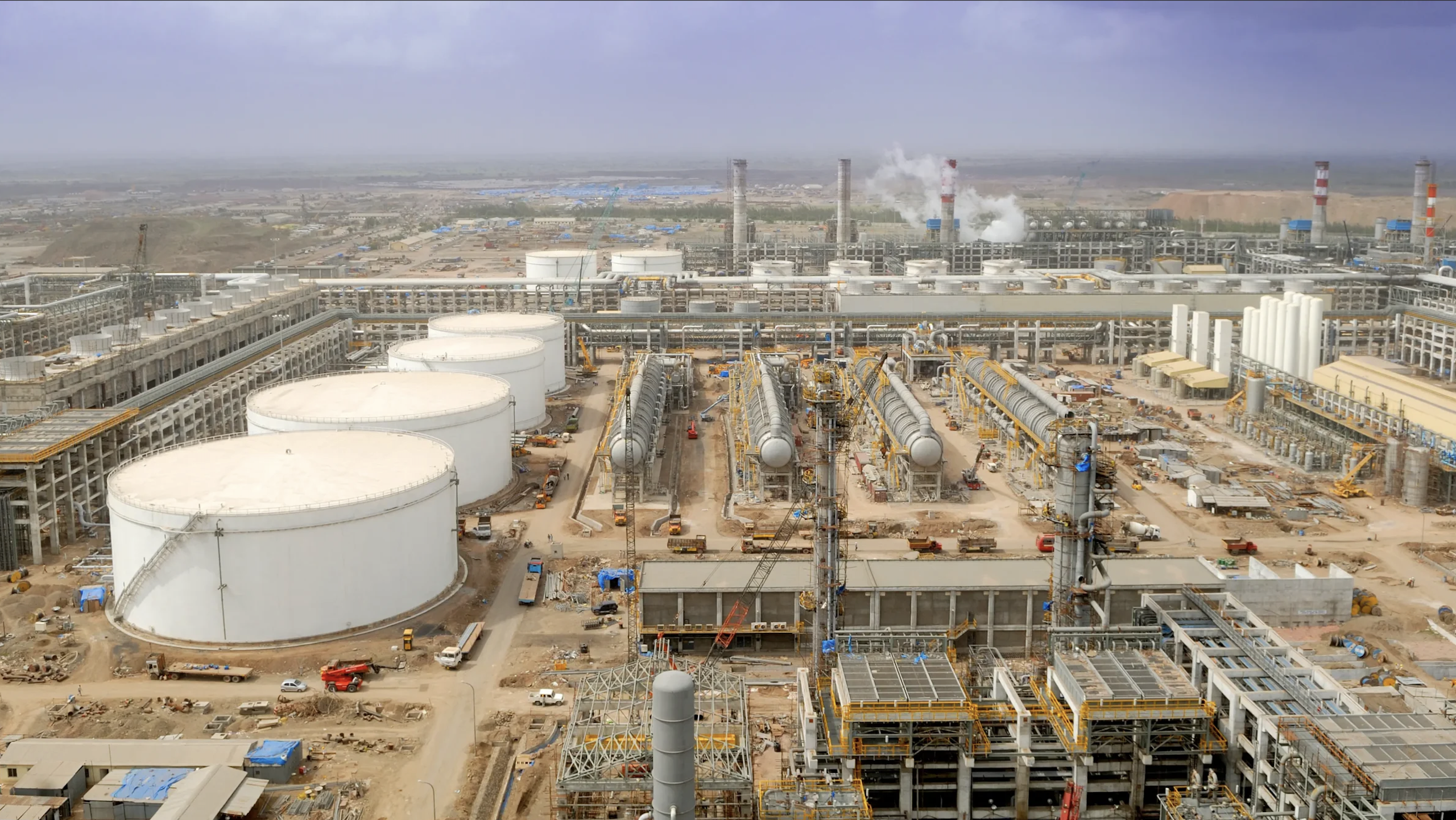
Reliance Industries operates the world’s largest single-location refining complex at Jamnagar, Gujarat. The complex has two refineries—one dedicated exclusively to fuel exports.
India became the biggest buyer of Russia’s seaborne crude after Moscow’s invasion of Ukraine in 2022. Indian refiners took advantage of heavily discounted Russian oil that Western sanctions made difficult to sell elsewhere, using the cheap crude to boost profit margins on refined product exports.
At its peak, Reliance was importing significant volumes of Russian crude, signing a one-year deal in 2024 with Russia’s Rosneft to buy at least 3 million barrels of oil a month in roubles, according to Reuters sources.
The Sanctions Landscape
The decision to stop Russian oil imports reflects the tightening sanctions environment facing Indian refiners.
In February 2024, the US imposed sanctions on Sovcomflot and 14 crude oil tankers involved in Russian oil transportation. Sovcomflot, a Russian state-owned shipping firm, was responsible for carrying around 15% of Russian oil exports to India.
Following those sanctions, Reliance requested that new supplies not be shipped by Sovcomflot-operated tankers, according to sources who spoke to Reuters.
The European Union’s 18th package of sanctions against Russia, approved in 2025, banned imports of refined petroleum products made from Russian crude coming from third countries. The EU also placed direct sanctions on Nayara Energy, another Indian refinery backed by Russian oil major Rosneft.
Other Indian Refiners Continue Buying
Despite Reliance’s exit from Russian oil, other large Indian refiners continue to take Russian crude, creating a split in India’s approach to Russian energy.
Russian crude still flows to India via West Asia through new intermediary sellers, allowing refiners to maintain access to discounted oil while navigating the sanctions environment.
However, India’s overall Russian oil imports are set to fall to a three-year low in December 2025, with imports expected to reach approximately 1.87 million barrels per day.
Most Indian oil refiners skipped buying Russian crude for December, according to the Economic Times, as sanctions pressure and compliance concerns mount.
US Crude Fills the Gap
As Indian refiners reduce Russian oil purchases, US crude is filling the gap.
More than 250,000 barrels per day of US crude was set to arrive in India in April 2024, the highest in more than a year, according to ship tracking data analyzed by Reuters. The ships were largely headed to India’s west coast and were chartered by Reliance Industries.
About 7.6 million barrels of oil were headed to India on three very large crude carriers and three Suezmax vessels, representing a significant increase in US crude flows to the world’s third-biggest oil importer and consumer.
Strategic Trade-Offs
The shift away from Russian oil comes with trade-offs for Indian refiners.
Russian crude had been trading at significant discounts to benchmark prices, allowing Indian refiners to boost margins on refined product exports to Europe and other markets. Replacing Russian barrels with US or Middle Eastern crude means paying higher prices, which could squeeze refining margins.
However, the Carnegie Endowment analyzed that compliance with US sanctions and tariffs is necessary for India to maintain access to Western markets and avoid escalating trade tensions with Washington.
For Reliance specifically, the move protects its lucrative fuel export business to Europe, which would have been jeopardized by the EU’s January 2026 ban on products refined from Russian crude.
Market Consolidation
The sanctions environment has reshaped the trading landscape for Russian oil to India.
Three trading houses have become dominant sellers of Russian oil to India, replacing dozens of smaller intermediaries who dropped out due to high funding costs in Russia and lack of access to Western financial systems, according to Reuters sources.
The consolidation reflects the challenges of facilitating oil trade under sanctions. Small traders who previously earned fees by helping Russian producers skirt Western restrictions have been squeezed out by rising costs and banking restrictions.
What Happens Next
Reliance’s decision to stop Russian oil imports ahead of the January 2026 EU deadline sets a precedent for other Indian refiners with significant export businesses.
With India planning to continue buying cheap crude oil from Russia despite sanctions, according to Al Jazeera, a two-track approach is emerging: domestic-focused refiners continue buying Russian crude for the Indian market, while export-oriented refiners like Reliance shift to non-Russian sources to maintain access to Western markets.
Indian Prime Minister Narendra Modi met with Russian President Vladimir Putin for the Russia-India bilateral summit in New Delhi in early December 2025, signaling that the broader India-Russia relationship remains important despite the sanctions pressure.
The outcome will shape India’s energy security strategy and its ability to balance relationships with both Russia and the West. As the world’s third-largest oil consumer, India’s import decisions have significant implications for global oil markets and geopolitical alignments in the energy sector.


