
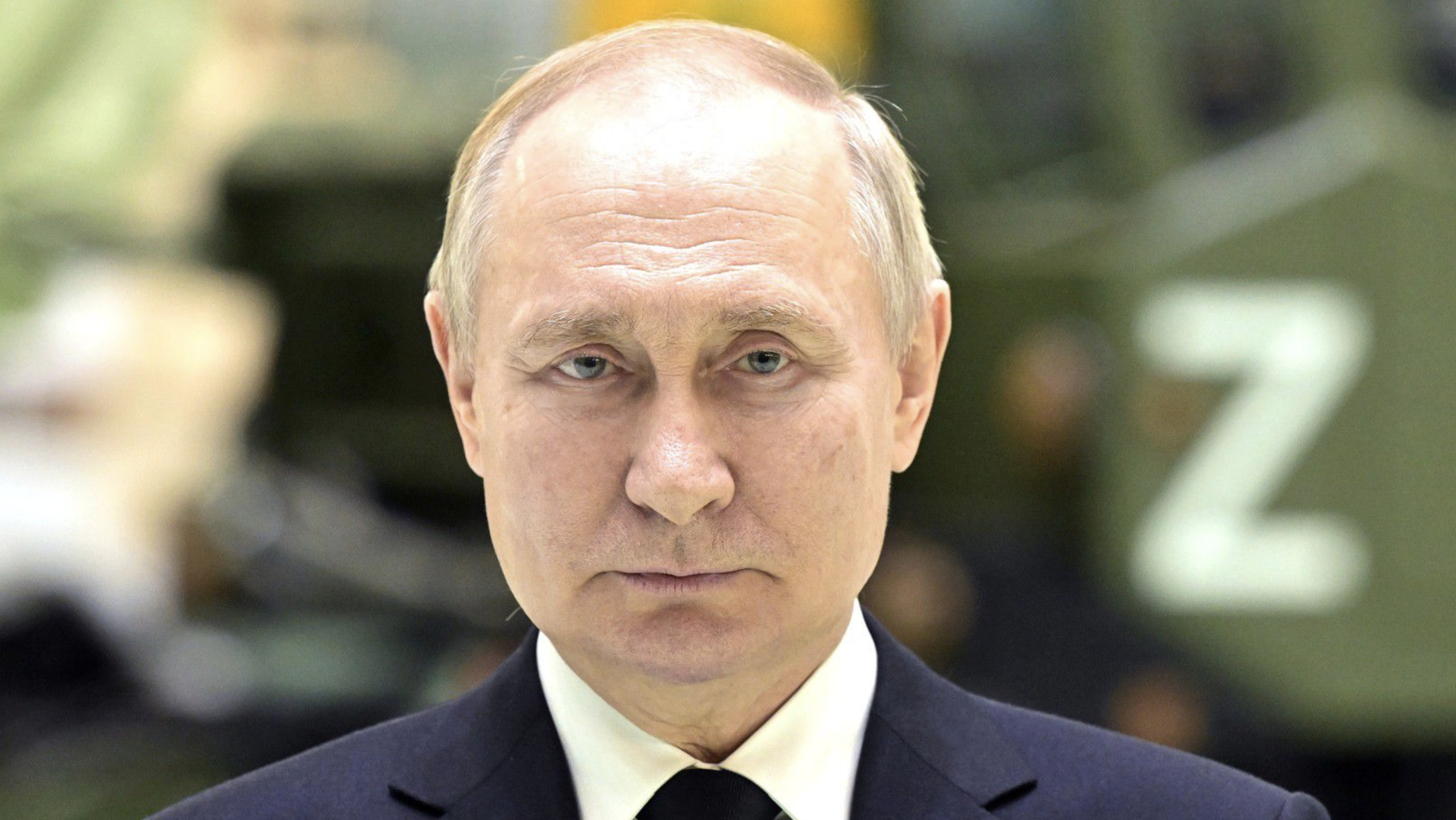
As the 2025 holiday season begins, the British government has launched what it describes as a “decisive blow” against the Kremlin’s remaining economic pillars. In an announcement on Thursday, UK Sanctions Minister Stephen Doughty declared that Vladimir Putin’s war machine is in “freefall,” as a fresh wave of 24 sanctions targets the final major Russian oil companies operating without Western restrictions.
The Foreign, Commonwealth & Development Office (FCDO) confirmed that the measures specifically target PJSC Tatneft, PJSC Russneft, LCC NNK-Oil, and LLC Rusneftegaz Group. These four entities represent nearly 10% of Russia’s current oil exports, generating approximately $20 billion (£15 billion) in annual revenue.
“With Russian oil revenues in freefall, now is the time to tighten the squeeze on Putin’s brutal war machine and bring Russia to the negotiation table,” Doughty said, signaling that the economic pressure is intended to bolster high-stakes peace talks currently underway.
Choking the Lifeline
Energy exports remain the primary artery for the Russian war chest. According to data from the Centre for Research on Energy and Clean Air (CREA), fossil fuel exports brought in €489 million (£429 million) per day over the last month. However, the UK government maintains that the combined weight of Western sanctions is finally achieving a “breakthrough” effect.
Following the October 2025 decision by the U.S. Treasury and the UK to blacklist Rosneft and Lukoil—Russia’s two largest oil giants—oil revenues have reportedly plummeted by over 25% compared to 2024 levels, reaching their lowest point since the full-scale invasion began in February 2022.
The new December 2025 package also aims to disrupt the “shadow” supply chain for military hardware. Specifically, the UK is targeting the export of cotton pulp from Central Asia. The material is a critical component for ammunition, explosives, and missile fuel that Russia is unable to produce at scale domestically.
Pressure on the ‘Shadow Fleet’
A significant portion of the new measures is focused on the illicit networks and “enablers” who facilitate the trade of Russian crude above the G7 price cap. Among those designated is billionaire oil tycoon Murtaza Ali Lakhani.
The UK government alleges Lakhani and his network have become some of the largest traders of Russian oil since 2022. Lakhani has dismissed the allegations as “unfounded,” announcing he will step down from managerial positions to conduct a compliance review.
The UK’s move follows a similar European Union sanctions package earlier this week, highlighting a coordinated “pincer movement” between London and Brussels to close loopholes used by the “shadow fleet.”
A Diplomatic Tipping Point?
The economic escalation comes at a delicate political moment. Since Donald Trump returned to the White House in February 2025, indirect talks between Russia, Ukraine, and European allies have intensified but struggled to produce a definitive ceasefire.
However, British officials expressed a newfound optimism this week. Defense Secretary John Healey noted “signals of progress” in peace talks that are “further advanced than at any time during this war.” One defense insider suggested that the increased economic pressure is designed to “accelerate” a diplomatic breakthrough before the end of the year.
Skepticism Remains
Not everyone is convinced that the “freefall” narrative reflects the full reality on the ground. Tom Keatinge, director of the Centre for Finance and Security at the Royal United Services Institute (RUSI), warned that the West is still “playing catch-up” with the Kremlin’s evasion tactics.
“We continue to take sanctions enforcement less seriously than the Kremlin takes sanctions evasion,” Keatinge told The i Paper. He argued that while the Russian economy is “mortgaging the future” by pouring its budget into military production, the state has proven resilient in finding buyers—primarily China, Turkey, and India—for its discounted crude.
As 2025 draws to a close, the UK’s strategy is clear: use the threat of total economic isolation to force a conclusion to the bloodiest conflict in Europe since World War II. Whether the “squeeze” on Russia’s remaining oil giants will be the final blow remains to be seen.


