
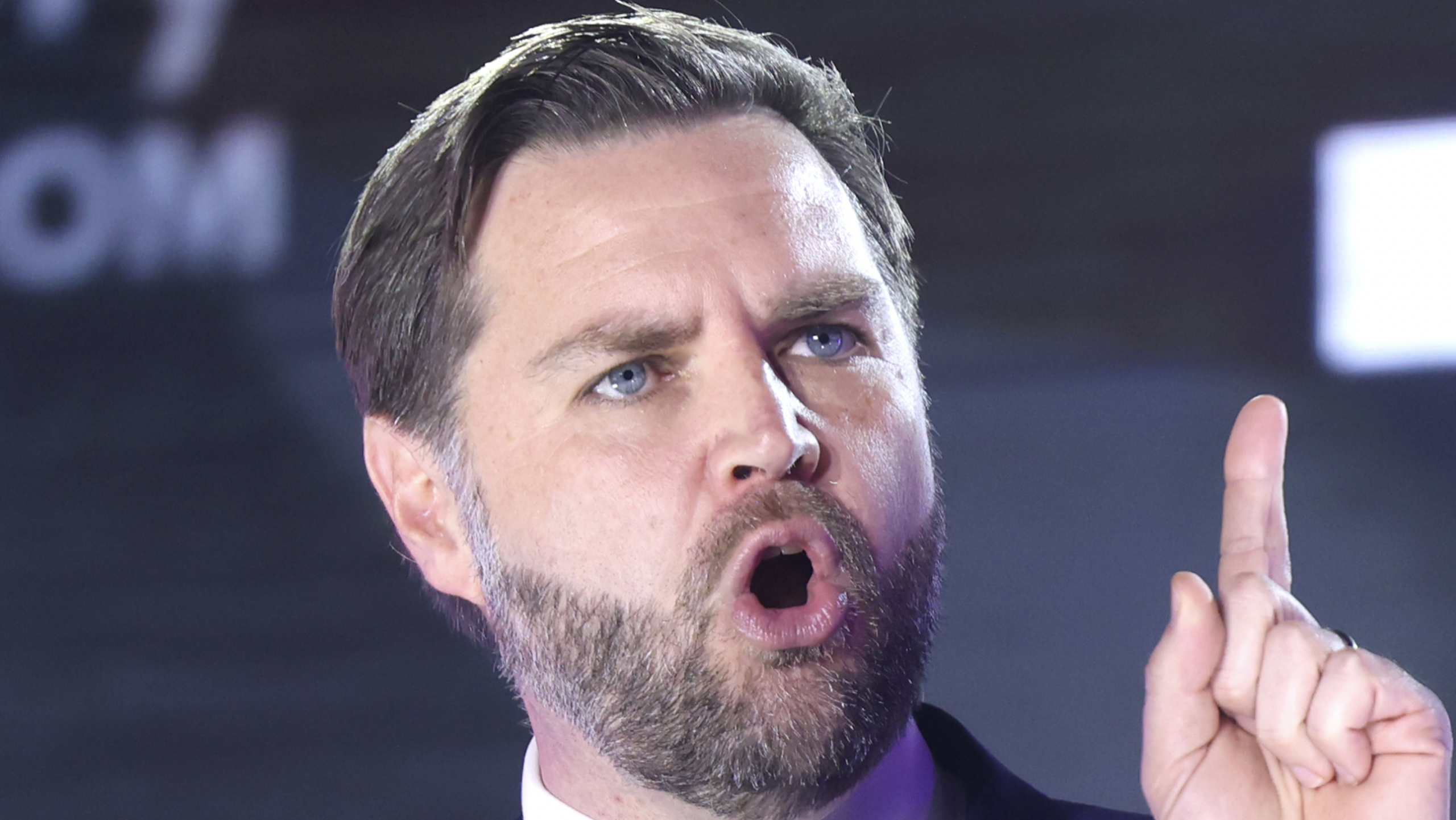
Vice President JD Vance sharply criticized the Supreme Court on Friday after it struck down President Donald Trump’s sweeping tariffs, accusing the justices in the majority of undermining executive authority and pledging that the administration would pursue alternative trade measures.
In a 6–3 decision, the Supreme Court of the United States ruled that Mr. Trump exceeded his authority under the International Emergency Economic Powers Act of 1977 when he imposed tariffs on imports from more than 100 countries. Chief Justice John G. Roberts Jr. wrote for the majority that the statute’s grant of authority to “regulate” imports did not amount to clear congressional authorization to levy tariffs of unlimited scope and duration.
Today, the Supreme Court decided that Congress, despite giving the president the ability to "regulate imports", didn't actually mean it. This is lawlessness from the Court, plain and simple. And its only effect will be to make it harder for the president to protect American…
— JD Vance (@JDVance) February 20, 2026
Responding in a post, Vance wrote, “Today, the Supreme Court decided that Congress, despite giving the president the ability to ‘regulate imports,’ didn’t actually mean it. This is lawlessness from the Court, plain and simple. And its only effect will be to make it harder for the president to protect American industries and supply chain resiliency.” He added, “President Trump has a wide range of other tariff powers and he will use them to defend American workers and advance this administration’s trade priorities.”
The ruling represents one of the most consequential legal setbacks of Mr. Trump’s second term. Since returning to office, he had relied on the 1977 emergency law to justify what he described as “Liberation Day” tariffs, arguing they were necessary to reduce trade deficits, bolster domestic manufacturing and strengthen U.S. leverage in negotiations. The Treasury Department has collected more than $100 billion in tariff revenue since the measures were imposed, and questions remain about whether refunds may be required.
The court’s majority opinion emphasized that when Congress intends to delegate tariff authority, it does so explicitly. The decision also invoked the “major questions” doctrine, which requires clear congressional authorization for sweeping economic actions. Three conservative justices dissented.
Mr. Trump called the ruling “deeply disappointing” and said he would seek to restore tariffs through other statutory authorities, including national security-related provisions that allow more limited duties.
Trump: The Supreme Court’s ruling is deeply disappointing. I’m ashamed of certain members of the court for not having the courage. pic.twitter.com/GEt1usu6Pd
— Acyn (@Acyn) February 20, 2026
Vance’s forceful defense of the administration comes as he occupies a central role in Republican politics. As vice president, he has become one of Mr. Trump’s most prominent surrogates on economic and trade policy. Looking ahead to the 2028 presidential cycle, early prediction markets have placed Vance as the leading contender for the Republican nomination, with odds currently outpacing those of several prominent leaders at 24%.
The Supreme Court’s decision leaves the administration’s next steps uncertain but underscores a renewed judicial check on executive authority over trade. While the president retains other tools to impose targeted tariffs, those authorities are narrower and come with procedural constraints that could complicate efforts to reimpose broad-based duties.


