
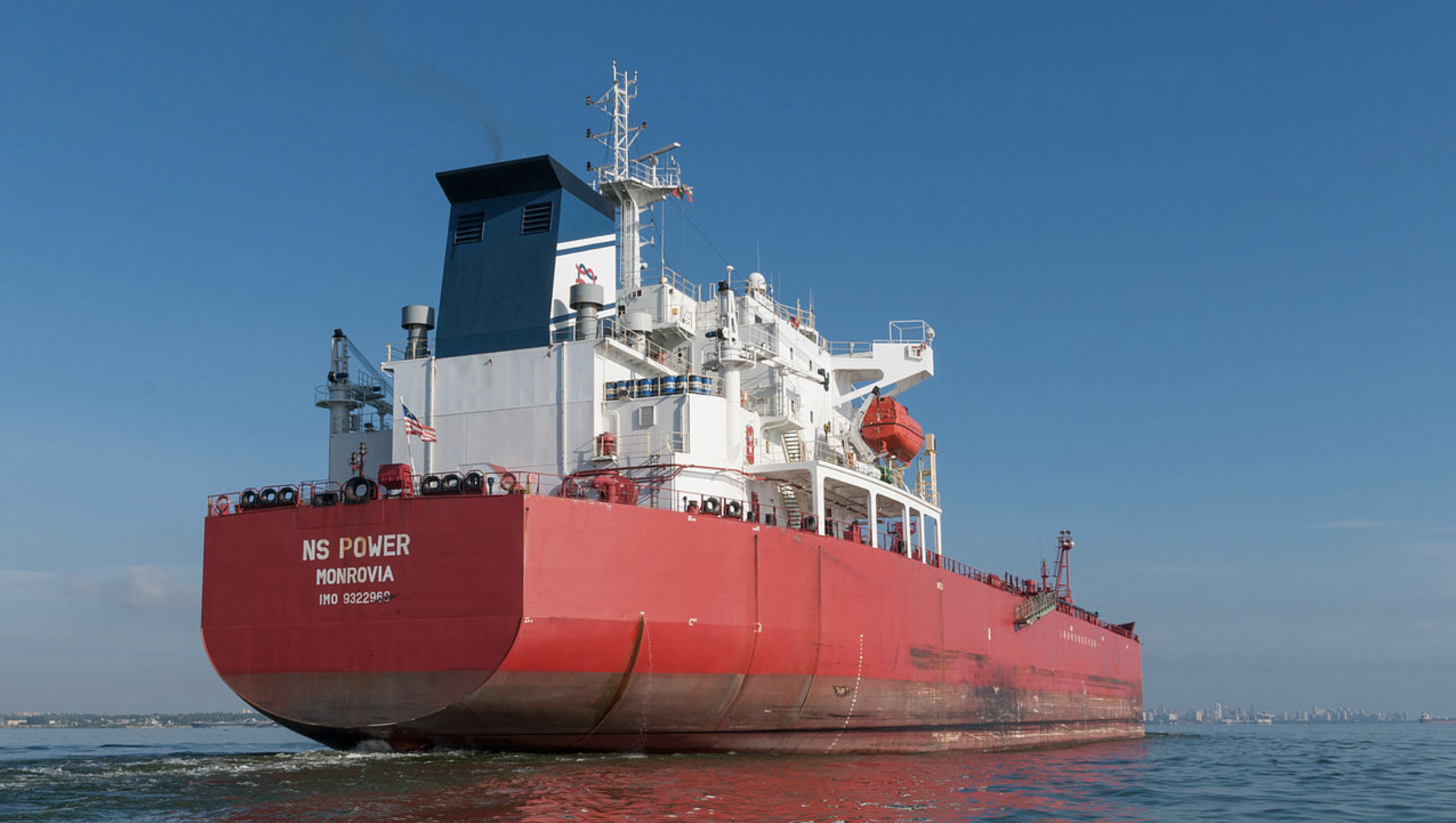
A high-stakes game of maritime cat-and-mouse is unfolding in the Caribbean as at least two oil tankers successfully navigated a U.S.-imposed blockade to reach Venezuelan ports. Despite the Trump administration’s aggressive efforts to sever the financial lifelines of President Nicolas Maduro, recent shipping data indicates that some vessel owners are still willing to risk seizure to maintain the flow of crude oil.
Why It Matters
The presence of these vessels suggests that the U.S. blockade, while significantly reducing exports, has not yet achieved a total embargo. Venezuela relies heavily on its oil revenue to fund government operations and service international debts, particularly to China. If the U.S. Department of the Treasury cannot fully close these gaps, the Maduro administration may find the breathing room necessary to withstand external economic pressure, potentially leading to a prolonged geopolitical stalemate in the region.
What to Know
Following President Trump’s announcement of a total blockade on sanctioned vessels, oil exports from Venezuela have fallen by approximately 50 percent compared to November levels. The U.S. has already seized two fully loaded cargoes, and naval ships continue to patrol the Caribbean. However, the defiance by a handful of tankers highlights the complexities of modern energy logistics:
- Vessel Arrivals: According to the monitoring service TankerTrackers.com, at least two sanctioned ships have arrived in the last few days, with two additional non-sanctioned vessels approaching the coast.
- The China Connection: Several of the approaching ships are part of a fleet used to repay debt service to China through crude oil swaps, a mechanism Maduro has used to bypass traditional financial systems.
- Administrative Turmoil: A recent cyberattack forced PDVSA to shut down its centralized administrative systems. This has resulted in a slower loading pace and forced the company to use tankers as floating storage.
- Authorized Exceptions: While most shipping has stalled, tankers operated by Chevron continue to depart for the U.S. under specific authorizations from Washington.
What People Are Saying
PDVSA has remained officially silent regarding the recent arrivals, but President Maduro and the country’s oil ministry have publicly insisted that exports will continue regardless of U.S. intervention. Internal sources at the state-run firm suggest a growing sense of urgency, noting that buyers are becoming impatient as storage options dwindle. Meanwhile, the U.S. administration maintains that its strategy is a necessary step to pressure the current government toward a democratic transition.
What Happens Next
The situation is reaching a critical tipping point for Venezuela’s infrastructure. With approximately 16 million barrels of oil currently stuck in undeparted tankers—up from 11 million earlier this month—PDVSA may soon be forced to shut down oilfields if it cannot move product. Observers are also watching closely to see if China will formally request a U.S. waiver to secure its debt-service cargoes, a move that would test the resolve of the current blockade.


