
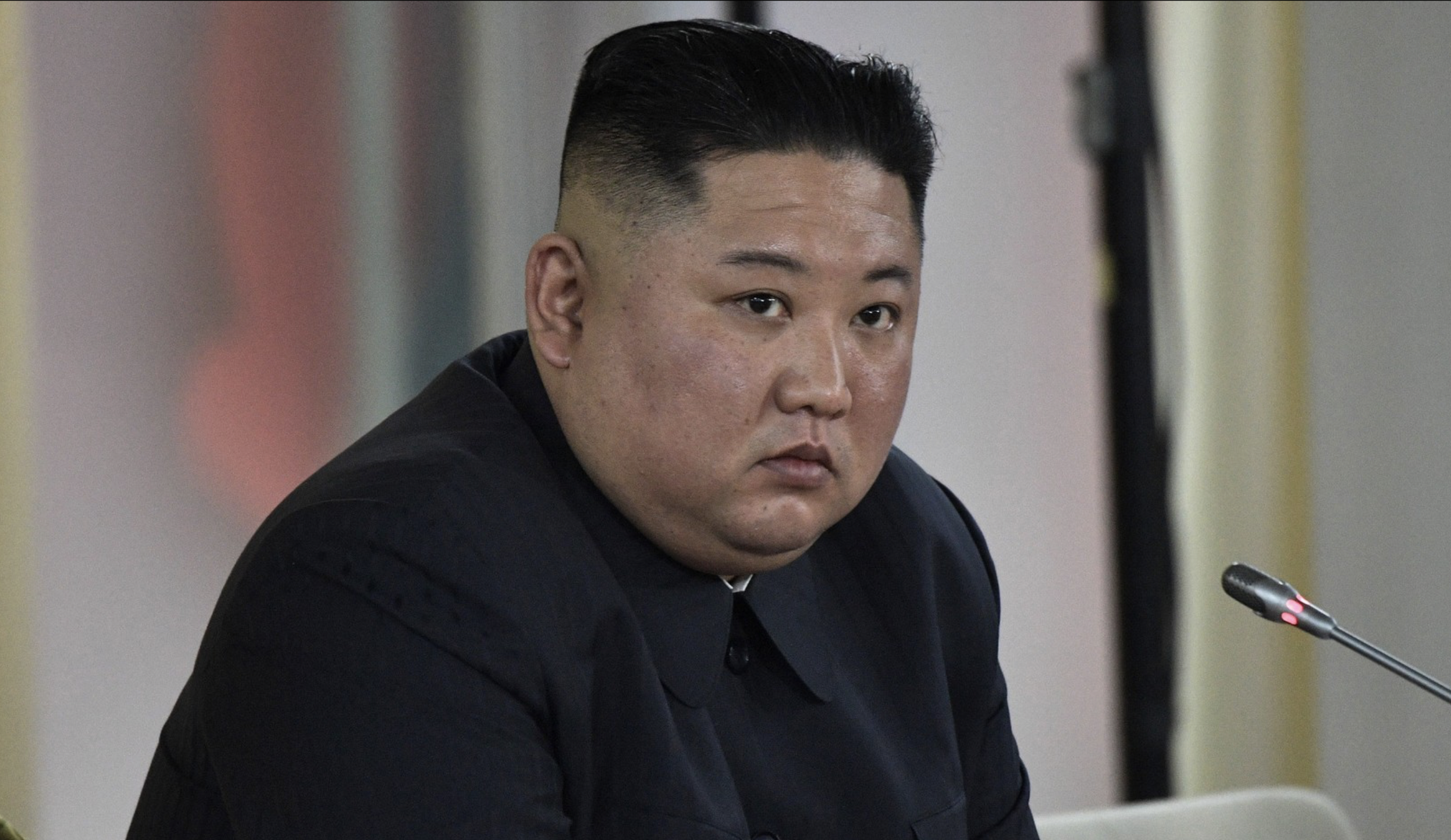
North Korean leader Kim Jong Un has indicated that Pyongyang intends to aggressively continue its missile development program over the next half-decade. The announcement came as state media reported on Friday that Kim had visited several major munitions enterprises during the final quarter of 2025, emphasizing the sector’s role in national defense.
Why it Matters
The ratification of new modernization plans suggests that North Korea is not looking to de-escalate tensions but is instead doubling down on its military capabilities. By formally integrating these goals into a five-year plan, Kim is signaling to the international community—and specifically to rivals like South Korea and the United States—that missile and shell production remains a top priority for the regime. This development complicates future diplomatic efforts and indicates a sustained period of military buildup on the Korean peninsula.
What to Know
According to the Korean Central News Agency (KCNA), Kim stated that the country’s munitions sector is “of paramount importance in bolstering war deterrent.” During his inspections, Kim ratified draft documents outlining the modernization of these enterprises. These documents are set to be submitted to a key party congress expected in early 2026, which will officially set the development plan for North Korea for the next five years.
The timing of this announcement is significant. It follows a report on Thursday revealing that Kim oversaw the test-firing of long-range surface-to-air missiles. Additionally, state media showcased Kim inspecting the construction of a massive 8,700-ton nuclear-powered submarine. He was accompanied during these inspections by his daughter, who is increasingly viewed by observers as a potential heir to the leadership.
What People are Saying
While official state media focused on the strategic necessity of the weapons programs, international observers note the specificity of the military advancements. The KCNA report highlighted Kim’s directive that the “missile and shell production sector” is vital for the nation’s security architecture.
The reveal of the 8,700-ton vessel has drawn particular attention. The submarine project, inspected alongside his daughter, represents a significant leap in naval capability if operational. Analysts suggest the presence of his daughter at these high-profile military events reinforces the narrative of succession planning tied directly to the country’s nuclear arsenal.
What Happens Next
The immediate focus will shift to the upcoming party congress in early 2026. It is at this gathering that the draft documents ratified by Kim will likely be formally adopted as national policy. This congress will establish the concrete roadmap for the country’s military and economic trajectory through 2030.
Defense experts will be closely monitoring whether the modernization of major munitions enterprises results in an increase in the frequency or type of weapons testing in the coming months. Furthermore, the operational status of the new nuclear-powered submarine will be a key area of concern for regional security forces.


