
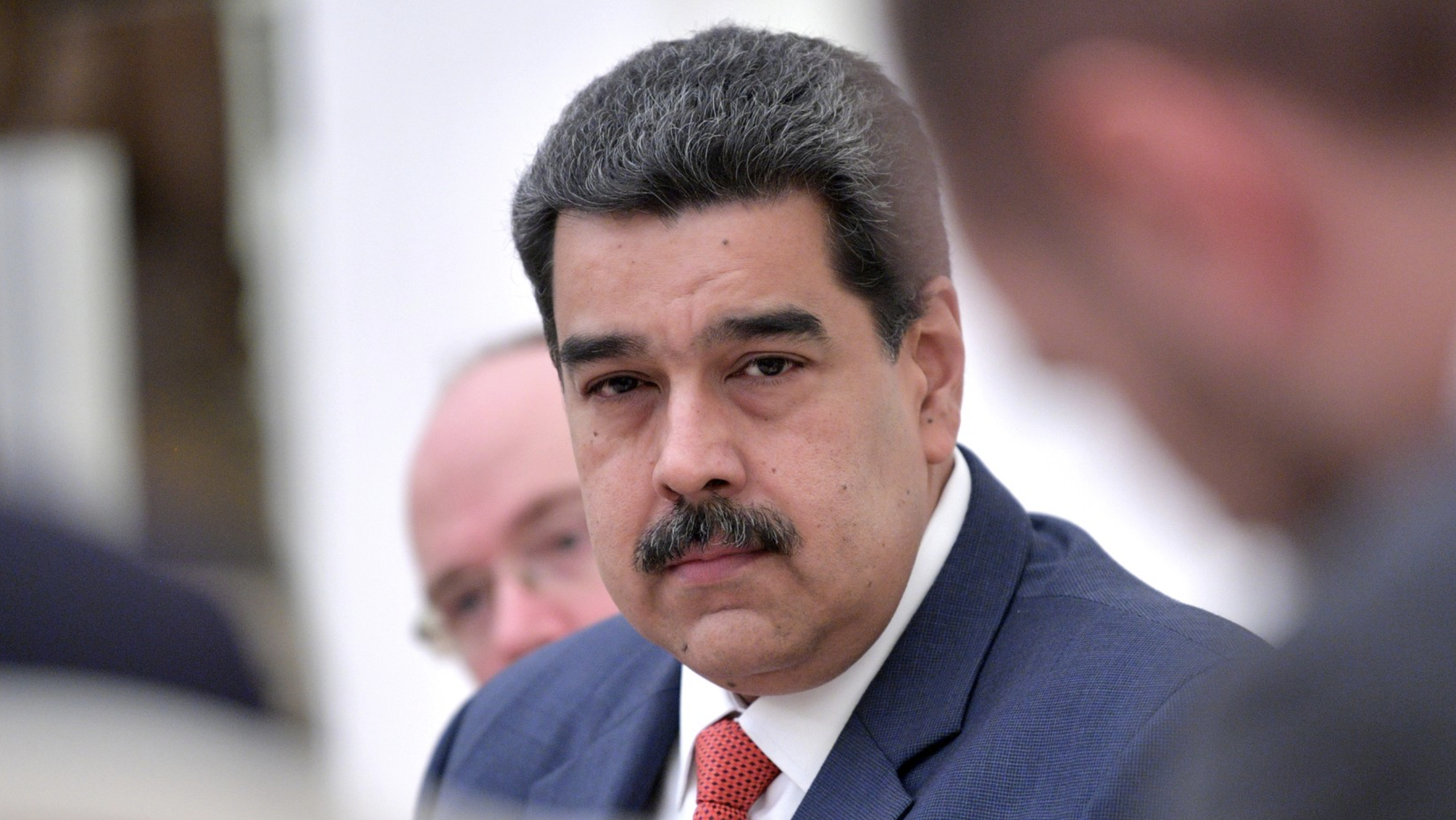
The Maduro administration has initiated a tactical shift in its maritime operations, deploying two crude-laden tankers from Venezuelan ports to challenge the “Operation Southern Spear” blockade currently enforced by the United States. This maneuver, characterized by analysts as “Plan B,” involves the use of vessels not currently listed on the U.S. Department of the Treasury’s sanctions list, including one vessel traveling under military escort. While these actions technically circumvent the immediate parameters of the blockade, the arrival of an unprecedented U.S. naval presence in the Caribbean has pushed bilateral tensions to a critical threshold, with the White House signaling that military intervention remains a viable policy option.
Quantitative Metrics Data
The current escalation is defined by several critical data points and legal designations that outline the scale of the confrontation:
- Seizure Volume: Last week, U.S. forces seized a sanctioned vessel carrying approximately 1.9 million barrels of Venezuelan crude.
- Operational Attrition: Since the commencement of Operation Southern Spear, U.S. maritime assets have destroyed 28 vessels allegedly involved in illicit trafficking and reported at least 104 fatalities during interdiction efforts.
- Regulatory Designations: The U.S. Department of Justice maintains a 2020 indictment against Nicolas Maduro for narco-terrorism. Furthermore, the administration recently designated the Venezuelan government and the “Cartel de los Soles” as Foreign Terrorist Organizations (FTOs).
- Sanctions Perimeter: While PDVSA (Petróleos de Venezuela, S.A.) has been under comprehensive sanctions since 2019, Chevron remains the sole U.S. entity authorized by the Treasury Department to maintain specific operations within the country, providing a controlled channel for several hundred thousand barrels of oil daily.
The Mechanics of Maximum Pressure
The transition from a drug interdiction mission to what observers describe as a regime-change strategy is rooted in a layered application of U.S. federal law. By designating the Venezuelan government as an FTO, the executive branch has expanded its legal authority to interdict vessels based on the premise of cutting off terrorist financing. This legal framework provides the pretext for the U.S. to potentially seize the two unsanctioned tankers currently bound for China, arguing that the proceeds from the cargo support a criminal enterprise.
From the perspective of Caracas, the deployment of unsanctioned vessels represents a calculated risk—a “Plan B” intended to project defiance while avoiding the immediate seizure of the dozens of sanctioned tankers currently sheltering in Venezuelan territorial waters. The National Bolivarian Armed Forces have framed the resistance as a matter of national sovereignty, formally petitioning the United Nations to intervene against what they term “maritime piracy.”
Geopolitical Projections and Risk Assessment
Expert analysis suggests that the current “cat-and-mouse” game in the Caribbean has reached a point of diminishing returns for diplomatic resolution. Samir Madani, co-founder of TankerTrackers.com, notes that the strategic preservation of sanctioned assets within Venezuelan waters indicates that Caracas is fully aware of the technical reach of U.S. naval assets.
Risk Factors and Limitations:
- Escalation Ladder: The use of military escorts for commercial tankers significantly raises the risk of a kinetic engagement between the U.S. Navy and Venezuelan naval forces.
- Economic Continuity: The continued operation of Chevron under specific licenses suggests the U.S. is maintaining a “pressure valve” to prevent total regional economic collapse, though this remains a point of internal policy friction.
- Third-Party Involvement: The destination of the current tankers—China—introduces a secondary geopolitical layer. Any U.S. seizure of these vessels could trigger a diplomatic confrontation with Beijing, a primary creditor and trade partner of Venezuela.
The situation remains fluid, with the U.S. Treasury expected to announce further financial sanctions against the inner circle of the Maduro administration, narrowing the operational space for “Plan B” maneuvers in the weeks ahead.


