
Japan is fortifying its southwestern islands with missile batteries, radar systems, and combat infrastructure in its largest military buildup in four decades, transforming the Ryukyu island chain into a defensive barrier as tensions with China reach their highest level in more than a decade.
The sparsely populated island of Yonaguni, located 110 kilometers east of Taiwan, has become the focal point of Japan’s military expansion. The island sits at the western end of an archipelago stretching roughly 1,400 kilometers north to Japan’s main islands.
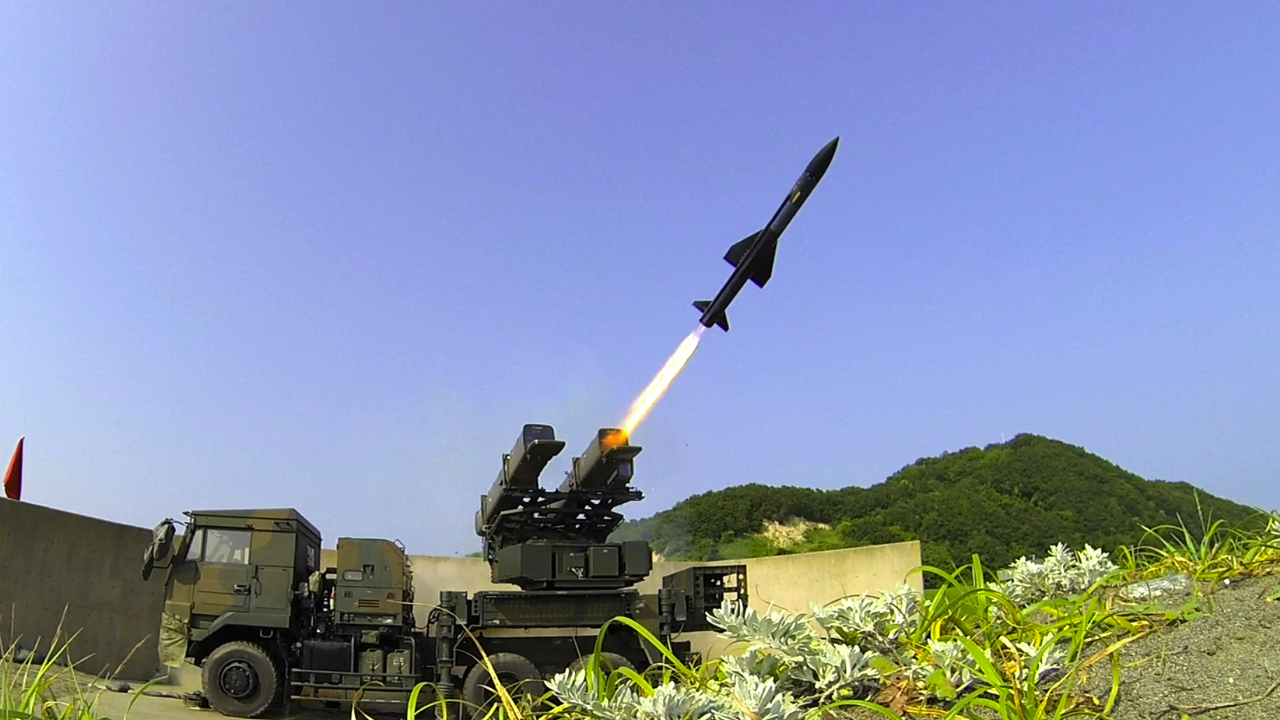
Japanese Defense Minister Shinjiro Koizumi confirmed in November 2025 that Japan will deploy Type 03 medium-range surface-to-air missiles to Yonaguni. The decision followed China’s missile launches near the island during August 2022 military exercises conducted after U.S. House Speaker Nancy Pelosi visited Taiwan.
Across the 160-island Ryukyu chain, Japan is installing missile batteries, radar towers, ammunition storage sites, and electronic warfare units. The Japan Self-Defense Forces established a garrison on Ishigaki Island in 2023, deploying Type 12 surface-to-surface missiles and Type 03 surface-to-air missiles.
The buildup includes mobile anti-landing craft missile systems designed to counter amphibious invasion attempts.
Japan deployed three F-35B Lightning II stealth fighters to Nyutabaru Air Base in Miyazaki Prefecture in August 2025. The short takeoff and vertical landing aircraft will operate from Japan’s Izumo-class destroyers, which are being modified into light aircraft carriers.
Japan plans to field a second F-35B squadron by 2030, according to Ministry of Defense documents. The country will operate 42 F-35Bs and 105 F-35A conventional variants.
Japan is constructing an F-35B training facility on Mageshima Island, purchased for $146 million in 2019. The base, located in the Osumi Strait—a waterway used by Chinese naval forces to access the Pacific—is scheduled for completionby March 2030.
More than 6,000 workers were on site as of October 2025. The facility will include two runways, ammunition storage, fuel infrastructure, and port facilities.
Japan is expanding its Amphibious Rapid Deployment Brigade, established in 2018. The brigade has been conducting joint training with U.S. Marines.
The defensive network is positioned to defend sea lanes critical to Japan’s trade. Taiwan is located just over 100 kilometers from Japanese territory. The installations also support U.S. military operations in the region.
U.S. defense planners view Japan as strategically vital to military posture in the Western Pacific, according to Japanese defense officials.
Beijing has condemned the military expansion. Chinese Foreign Ministry spokesperson Mao Ning stated in November that “the Chinese people will not allow it” if Japan seeks to “go back to the path of militarism.”
Chinese state media has published satellite imagery showing construction progress on the islands.
The military buildup occurs amid a diplomatic crisis triggered by Prime Minister Sanae Takaichi’s November 2025 statement that Japan could intervene militarily if China attacked Taiwan.
On December 7, 2025, Chinese J-15 fighters locked fire-control radar onto Japanese F-15 jets near Okinawa. Japan summoned China’s ambassador to lodge a formal protest.
Residents of Yonaguni and other islands have expressed concerns about becoming targets in a potential conflict. The Japanese government has held briefings to address security concerns related to the deployments.


