
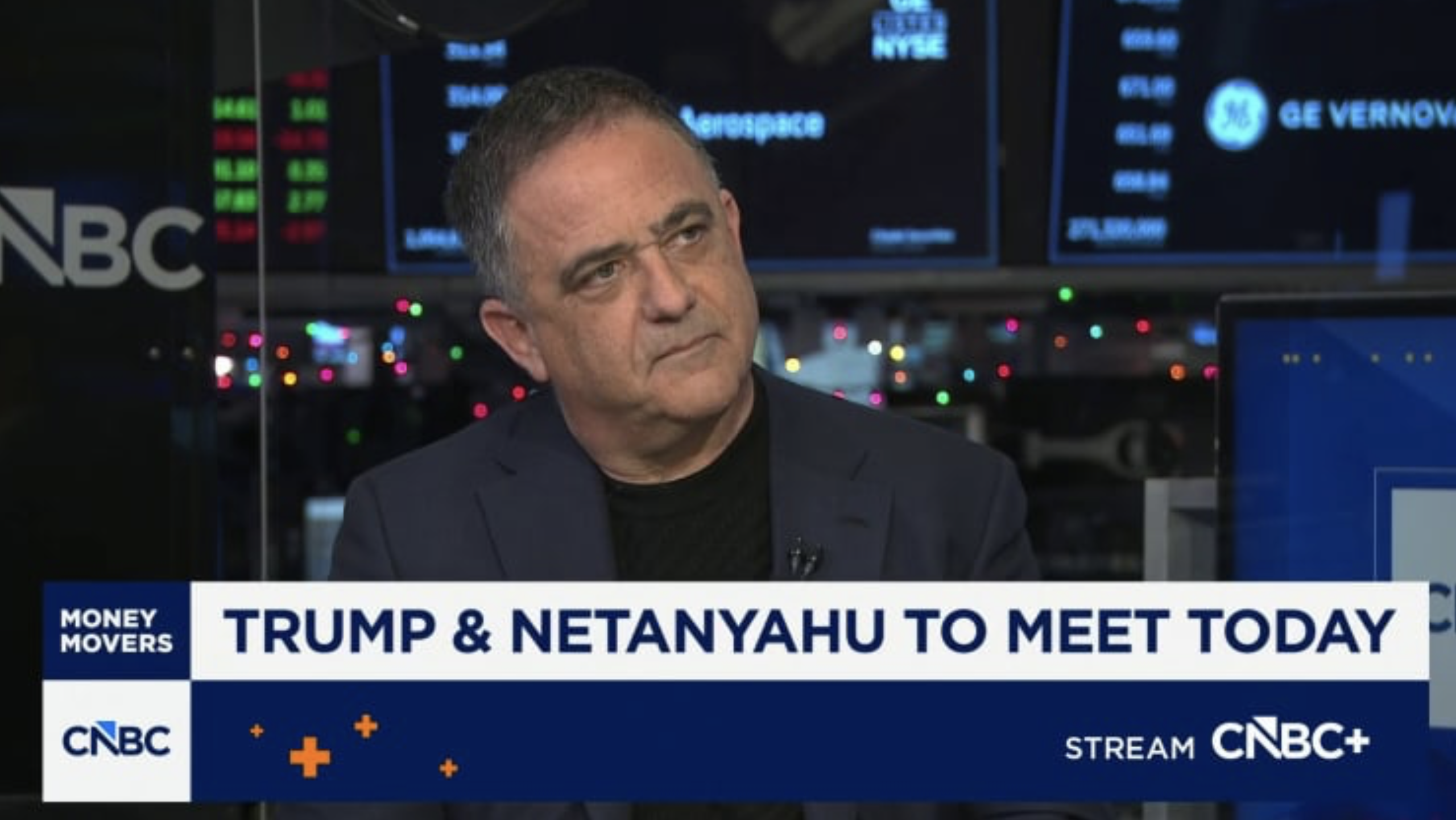
Shlomo Kramer, a prominent figure in the global cybersecurity industry and co-founder of Check Point Software, has ignited a firestorm of debate after suggesting that the United States government should take control of social media platforms and restrict First Amendment protections to combat digital misinformation.
Why it Matters
The proposal by a high-profile tech executive touches on the escalating tension between national security, platform accountability, and the constitutional right to free speech. As the digital landscape becomes increasingly saturated with bot-driven content and anonymous actors, the debate over how to verify online identity while preserving civil liberties has moved from the fringes of policy discussions to mainstream national discourse.
What to Know
During a recent televised interview on CNBC, Kramer argued that the current interpretation of free speech is no longer viable in the modern era. “I know it’s difficult to hear, but it’s time to limit the First Amendment in order to protect it and quickly before it’s too late,” Kramer stated during the broadcast.
He specifically proposed that the government should exert direct control over all social media platforms to manage public discourse. Central to his vision is a system to “stack rank the authenticity” of every individual expressing themselves online. According to Kramer, the government would then take control over what users are allowed to say based on that assigned ranking.
What People are Saying
The remarks have drawn sharp criticism from civil liberties advocates and free speech proponents, who argue that government-mandated “stack ranking” of citizens would constitute an unprecedented move toward state-sponsored censorship. Critics suggest that such a system would effectively create a “social credit score” for speech, granting the government the power to silence dissenting voices under the guise of authenticity.
Conversely, some proponents of tech regulation argue that the lack of accountability on social platforms has allowed for the spread of harmful disinformation. While few have gone as far as Kramer’s call for direct government takeover, there is a growing consensus among some security experts that the anonymity currently afforded to internet users presents a significant challenge to national stability.
What Happens Next
Kramer’s comments are likely to fuel further legislative debate regarding Section 230 and the legal responsibilities of tech giants. While any direct move to limit the First Amendment would face immediate and rigorous challenges in the U.S. court system, the discussion reflects a shifting attitude among some industry leaders regarding the balance between security and open expression. For now, the proposal for a government-led authenticity ranking remains a theoretical, albeit controversial, concept in the ongoing battle over the future of the internet.


