
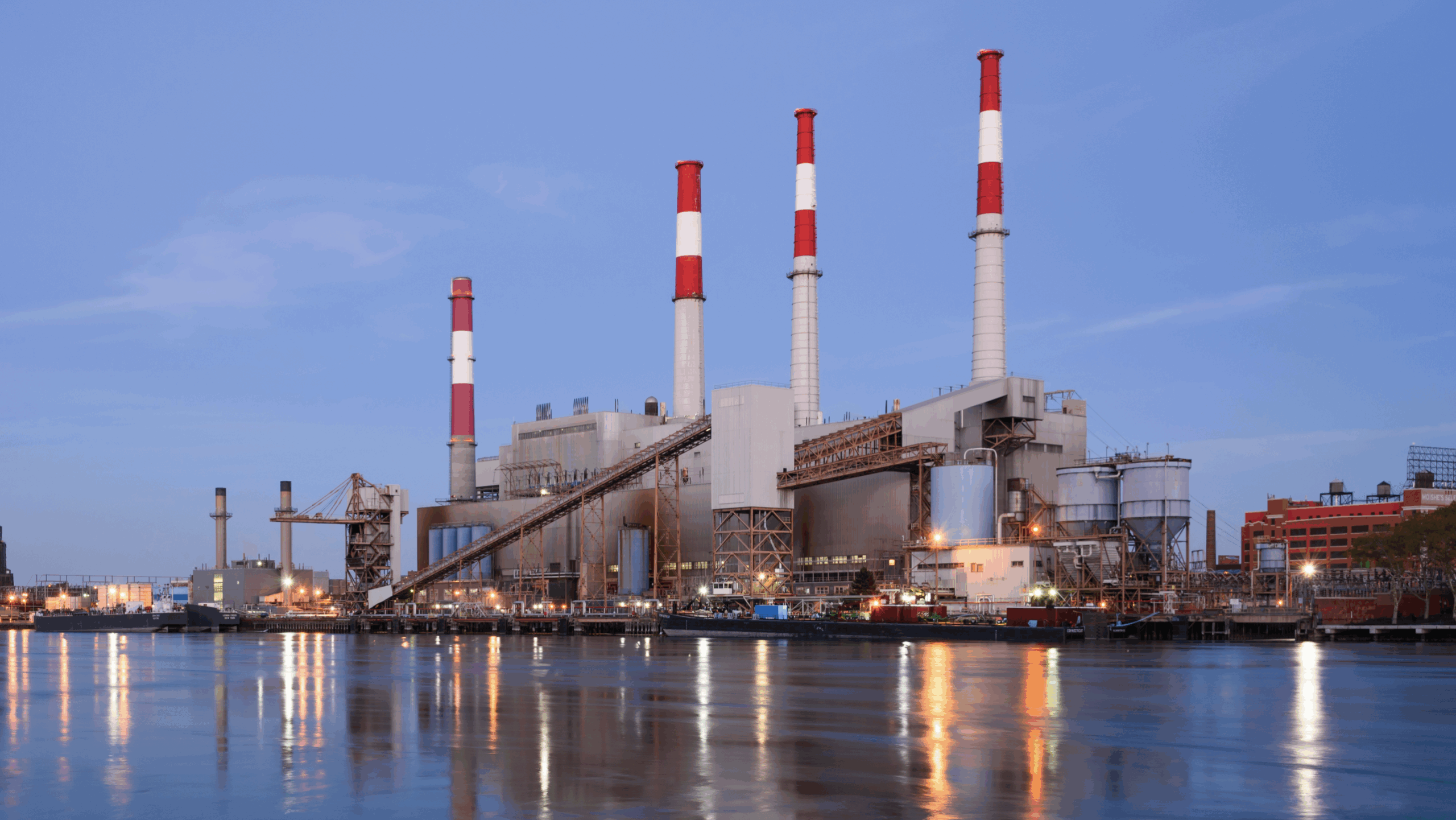
The National Infrastructures Committee (NIC) has officially moved to advance the construction of a 900-megawatt power plant in the Atarot industrial zone, situated just north of Jerusalem. Developed by Egged Properties—a subsidiary controlled by the Keystone Fund—the facility is set to become a cornerstone of the region’s energy independence. This decision initiates the formal regulatory approval process for a site that will transform an existing Egged lot into a high-capacity energy and transportation center.
Why It Matters
For decades, Jerusalem has lacked a major power generation facility in its immediate vicinity, relying instead on electricity transmitted from the Gezer and Tzafit plants located on the inland coastal plain. By establishing a massive “anchor consumer” near the capital, the project will act as a catalyst for the expansion of Israel’s natural gas pipeline system into the Atarot industrial zone. This shift not only bolsters grid reliability for the Jerusalem metropolitan area but also provides the necessary infrastructure for other local industrial players to transition to cleaner energy sources.
What to Know
The project is designed as a multi-functional regional infrastructure “hub.” Beyond its 900-megawatt generation capacity, the site will include a dedicated parking facility for electric buses and a nearby waste treatment plant. This integrated approach aims to support the city’s broader environmental and logistical goals.
The Ministry of Energy and the NIC are currently overseeing several similar projects to meet rising demand driven by population growth and the future energy needs of large-scale data centers. Currently, seven power plants are in various stages of development across the country. These include the Kesem power plant by Mivtach Shamir, which is currently the most advanced in the regulatory pipeline, as well as the Eshkol 2 and Sorek 2 facilities.
What People Are Saying
In a statement regarding the approval, the National Infrastructure Committee emphasized the long-term necessity of the project for the city’s survival and growth. Members of the committee described the facility as a national infrastructure project of strategic importance to the capital. They noted that it is specifically designed to provide a response to the “growing demand for electricity in the Jerusalem metropolitan area due to population growth, development of new neighborhoods, expansion of employment areas, and strengthening of Jerusalem’s status as a government, economic, and urban center.”
What Happens Next
While the green light from the NIC is a significant milestone, the Atarot plant still faces a rigorous regulatory and financing journey. Like the proposed Shimshon plant near Beit Shemesh, the Atarot facility must secure final government approvals before construction can begin in earnest.
Industry experts do not expect the plant to begin generating electricity until after 2030. In the interim, the government will continue to prioritize projects like the Kesem plant, which is receiving incentive payments to ensure rapid completion to address the immediate needs of Israel’s central region. For Jerusalem residents, the project represents a decade-long roadmap toward energy self-sufficiency.


