
The Islamic Republic of Iran executed a university student on Saturday on charges of espionage for Israel, sparking a sharp condemnation from exiled Crown Prince Reza Pahlavi. The execution of Aghil Keshavarz comes amid a staggering surge in capital punishment within the country, as the regime continues its crackdown on perceived internal threats following recent regional escalations.
Why it Matters
The execution underscores the heightened state of paranoia within the Iranian judiciary following the “12-Day War” between Israel and Iran earlier this year. With more than 1,000 executions recorded in 2025 alone, international observers view the use of the death penalty as a tool for political suppression. Analysts suggest that the public nature of these executions is intended to project strength to a domestic audience, even as the regime faces significant internal dissent and a “national uprising.”
What to Know
Aghil Keshavarz, a student at Shahrood University, was arrested in June shortly after the conclusion of the 12-Day War. According to state reports, he was convicted of photographing sensitive military sites and providing the intelligence to Israeli services.
While the judiciary claimed Keshavarz confessed to the crimes, human rights groups have raised alarms over the legitimacy of the trial. Reports indicate that Keshavarz was subjected to torture by IRGC intelligence officers and that his family faced direct threats to ensure a conviction. Iran typically handles high-level intelligence breaches in private, suggesting that public executions of “spies” often target low-level individuals or innocent civilians to serve as a deterrent.
What People are Saying
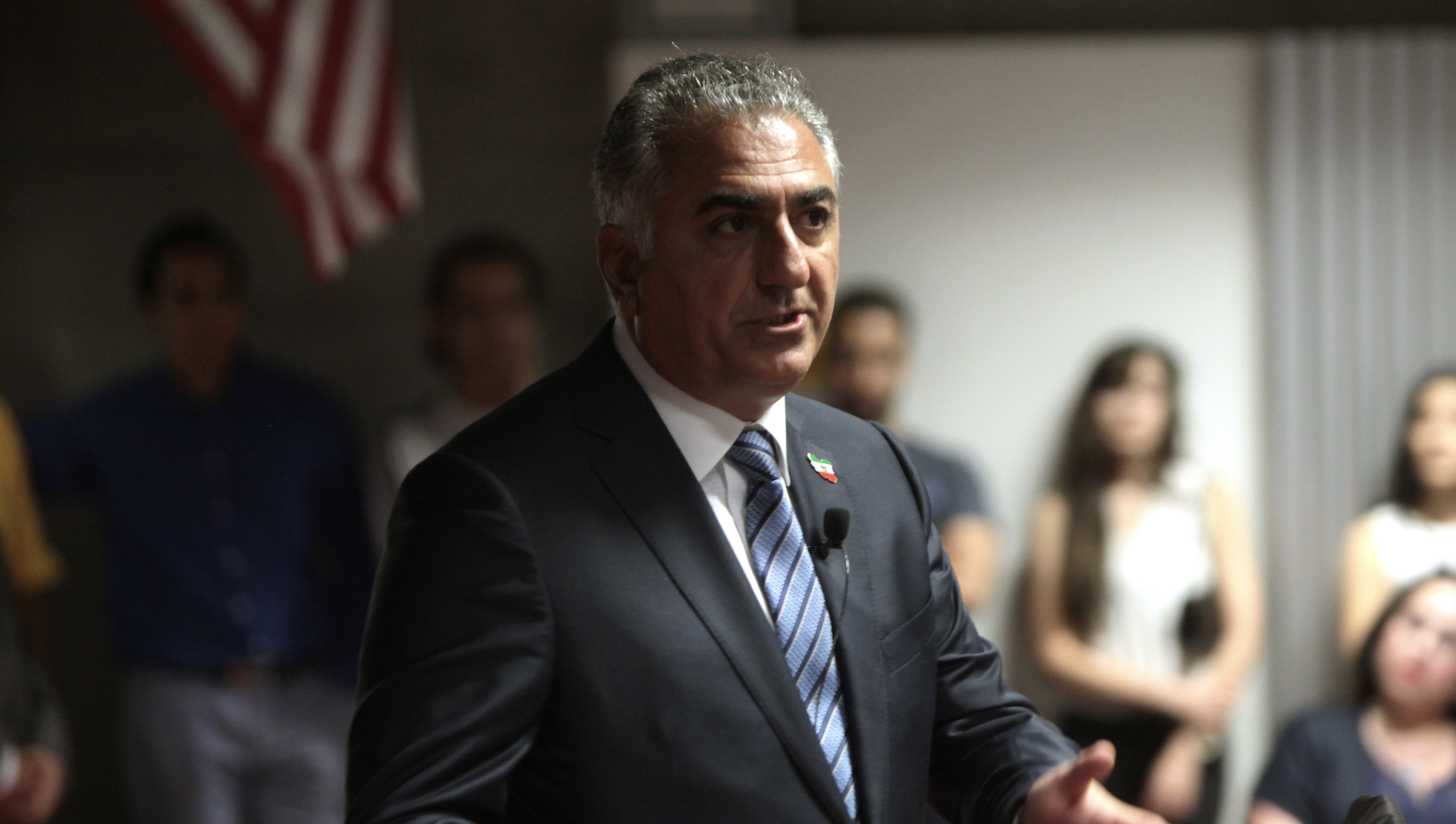
In a statement posted to social media, Reza Pahlavi characterized the execution as an act of desperation by Supreme Leader Ali Khamenei. “The Islamic Republic’s murder of Aghil Keshavarz is clear evidence of its weakness,” Pahlavi stated. “Khamenei and his regime are taking out revenge for their defeat in the 12-Day War by murdering Iran’s innocent youth based on lies.”
Pahlavi further argued that the regime’s “greatest fear” is the Iranian people themselves. Conversely, Iranian authorities have defended the surge in arrests, boasting of detaining 21,000 “suspects” accused of collaborating with foreign entities since the June conflict ended.
What Happens Next
The international community is expected to increase its scrutiny of Iran’s human rights record as the number of executions continues to climb toward historic highs. Inside the country, the execution of students like Keshavarz may act as a catalyst for further unrest among the youth population. As the regime maintains its hardline stance, the focus remains on whether the “national uprising” mentioned by Pahlavi will gain further momentum in the face of ongoing “fear-mongering” and state-sanctioned violence.


