
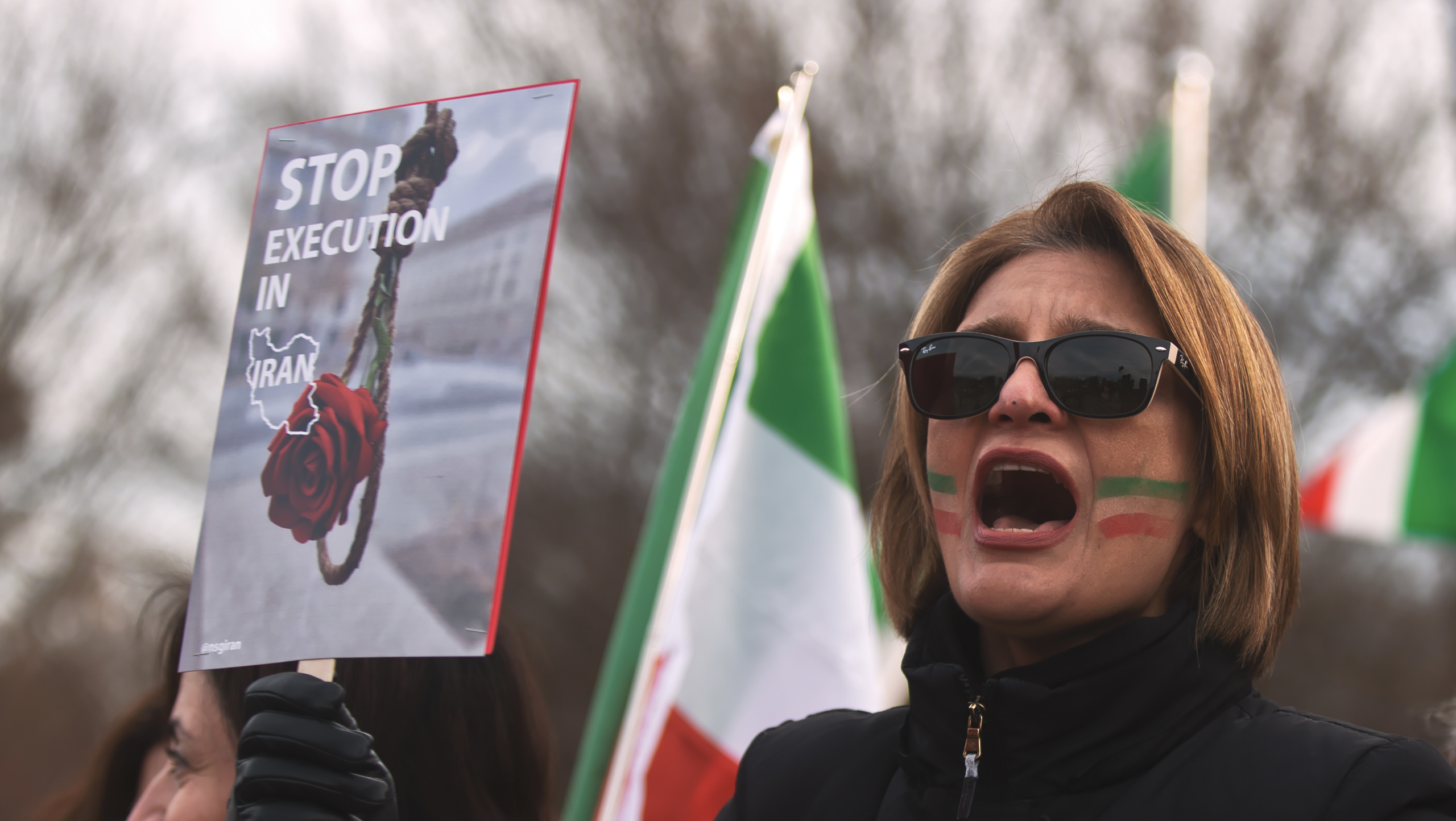
The number of executions in Iran surged to a ten-year high in 2025, according to a comprehensive review of the country’s judiciary and penal system. The Iranian human rights organization Human Rights Activists (HRA) announced that the state carried out 1,922 executions over the past year, marking a stark escalation in the use of capital punishment despite a slight decrease in the number of new death sentences handed down by courts.
Why It Matters
The surge in executions signals a tightening grip by Iranian authorities on internal dissent and a move toward more punitive judicial measures. Perhaps most concerning to international observers is the lack of transparency surrounding these deaths; the HRA report indicates that 95 percent of these executions were conducted in secret or without any formal public announcement. This trend, combined with a 13-fold increase in arrests related to freedom of expression, suggests a significant shift in how the state manages political and social opposition.
What to Know
The annual statistical report released by HRA highlights a contradiction in the Iranian legal system: while the issuance of new death sentences actually fell by 21.4 percent, the implementation of existing sentences doubled compared to 2024. This suggests a concerted effort to clear death row through rapid executions.
Beyond capital punishment, the report catalogs a wide array of human rights concerns:
- Mass Arrests: There were 22,709 total arrests related to civil, political, or ideological activities. Of these, 22,028 were specifically tied to freedom of thought and expression.
- Religious Persecution: Arrests of religious minorities doubled to 183 cases. The Jewish community was disproportionately affected, accounting for 7.61 percent of reported religious rights incidents, which included property violations and home searches.
- Prisoner Abuse: At least 2,513 prisoners were held in “inappropriate conditions.” Many were denied basic rights such as access to legal counsel, medical leave, or the ability to make phone calls.
- Corporal Punishment: The judiciary continues to use physical retributions. In 2025, 96 individuals were sentenced to a combined 5,041 lashes, while courts also issued six sentences for amputation and five for “limb retribution.”
- Child Welfare: The detailed findings also shed light on vulnerable populations, noting over 70,000 cases of child labor and 23,000 cases of child abuse. Additionally, 1,474 babies were born to mothers between the ages of 10 and 14.
What People Are Saying
Human rights monitors have expressed alarm at the speed and scale of the state’s crackdown. Amnesty International has characterized the current situation as a “horrifying” assault on the right to life, noting that the pace of executions has reached levels not seen in years. Similarly, officials within the United Nationshave pointed to the large rise in the number of people executed as a focal point for global concern regarding Iran’s adherence to international legal standards.
What Happens Next
The HRA emphasizes that their statistics represent only a floor, not a ceiling. Because the vast majority of executions are carried out in secret, the true number of deaths and judicial abuses remains unknown. As international pressure mounts, the focus will likely shift toward demanding greater transparency from the Iranian judiciary. However, with the massive spike in arrests for expression and the continued use of “limb retribution” and lashings, rights groups warn that the environment for civil liberties in Iran may continue to deteriorate through 2026.


