
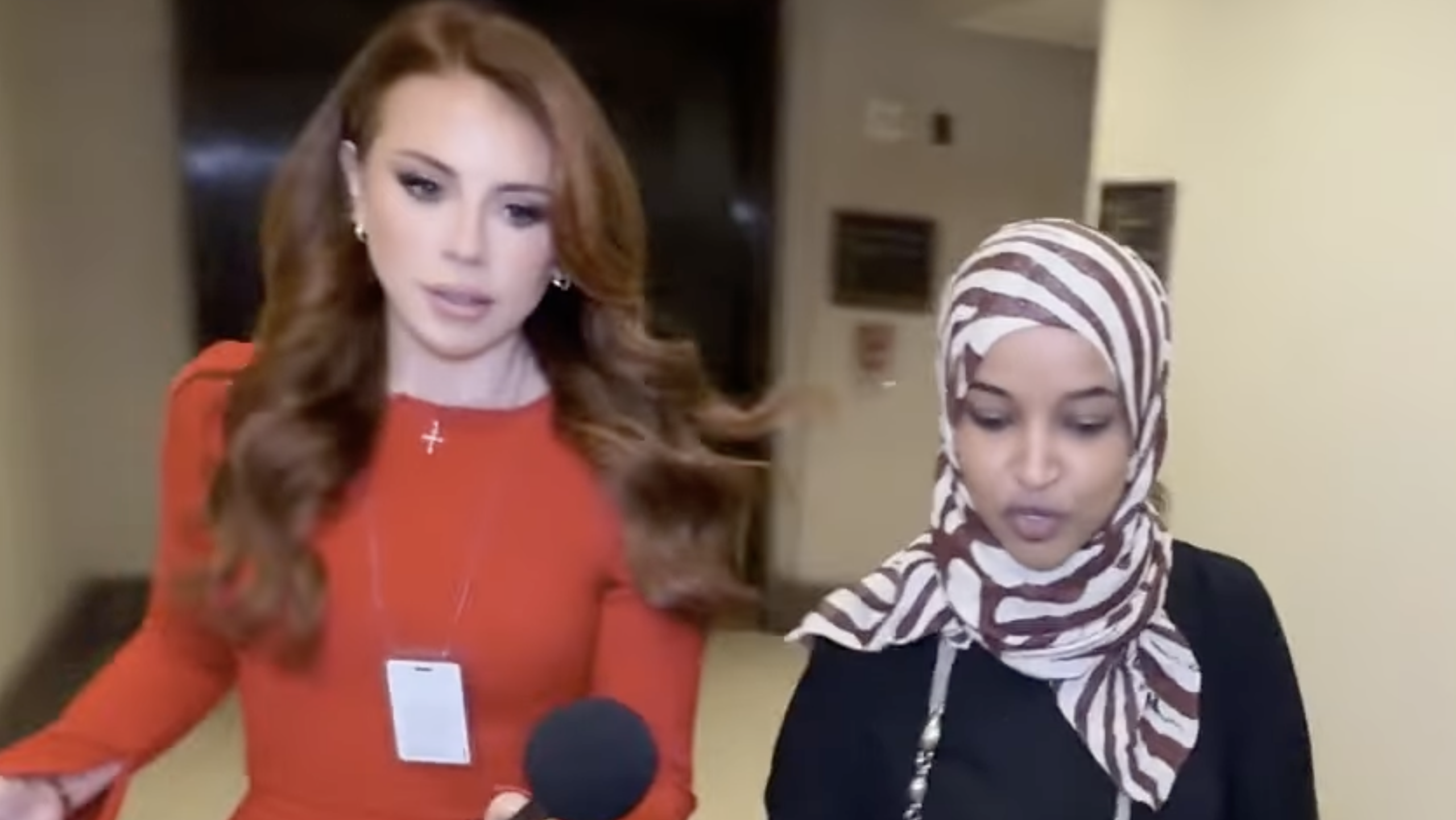
Representative Ilhan Omar is facing renewed scrutiny after a tense exchange with a reporter in which she denied ever making a controversial statement about white men in America, despite previously making the remark during a recorded 2018 interview. The confrontation has reignited debate not only over the substance of her past comments but also over transparency and accountability among elected officials.
🚨 NEW: Ilhan Omar BLATANTLY LIES to a reporter on camera, saying she “never said” that the American people should be fearful of the white man
— Nick Sortor (@nicksortor) February 24, 2026
… EVEN THOUGH IT’S ON VIDEO!
Democrats think you’re stupid, so they piss on you and tell you it’s raining.
🎥 @alisonintheknow,… pic.twitter.com/R4Yu9KwSgQ
The exchange occurred when a reporter questioned Omar about her financial disclosures and then shifted to her prior remarks about domestic threats in the United States. After being asked about a past statement in which she said the American people “should be more fearful of the white man,” Omar responded, “I never said that.” When pressed further, she again denied making the comment, telling the reporter to “prepare better for the next time.” As the exchange continued, she added that she had been “quoting… an actual study done by the FBI.”
The reporter was referencing a 2018 interview Omar gave before her election to Congress. In that interview, Omar argued that domestic threats had been overlooked in favor of policies disproportionately focused on Muslim communities. “Our country should be more fearful of white man across our country because they are actually causing most of the deaths within this country,” Omar said at the time. She went on to argue that policy efforts should focus on “profiling, monitoring, and creating policies to fight the radicalization of white men.”
Ilhan Omar: "We should be monitoring, profiling, and creating policies to fight the radicalization of white men."pic.twitter.com/EBkelmf91b
— Thomas Sowell Quotes (@ThomasSowell) February 23, 2026
Omar, who emigrated from Somalia as a child and was elected to the Minnesota House of Representatives in 2016 before winning a seat in Congress, made the comments while discussing anti-Muslim sentiment and counterterrorism policy. She contended that Muslim communities were being unfairly targeted in national security efforts and that data on domestic violence and extremism pointed to other sources of threat that policymakers were not adequately addressing.
The resurfacing of the 2018 interview comes amid broader national discussions over immigration enforcement and social policy. President Donald Trump’s immigration measures, including travel restrictions affecting several Muslim-majority countries, have had direct impacts on Somali-American communities in Minnesota, which Omar represents. In the earlier interview, she criticized such policies and described increased harassment and threats directed at Somali-Americans and Muslim residents following heightened political rhetoric.
Critics of Omar argue that her 2018 statement oversimplified complex issues of domestic safety and risked inflaming racial tensions. Supporters counter that her comments reflected data on patterns of domestic violence and extremist attacks and were aimed at highlighting inconsistencies in how threats are prioritized by policymakers.
The latest exchange with the reporter has shifted some attention away from the policy debate and toward the question of whether Omar accurately represented her past remarks. With the original interview widely available on video, the dispute has intensified conversations about public accountability and the role of media scrutiny in political discourse.
As debates continue over immigration, domestic security, and racial equity, the episode underscores the persistent tensions shaping national political dialogue and the scrutiny faced by lawmakers navigating those issues in a polarized environment.


