
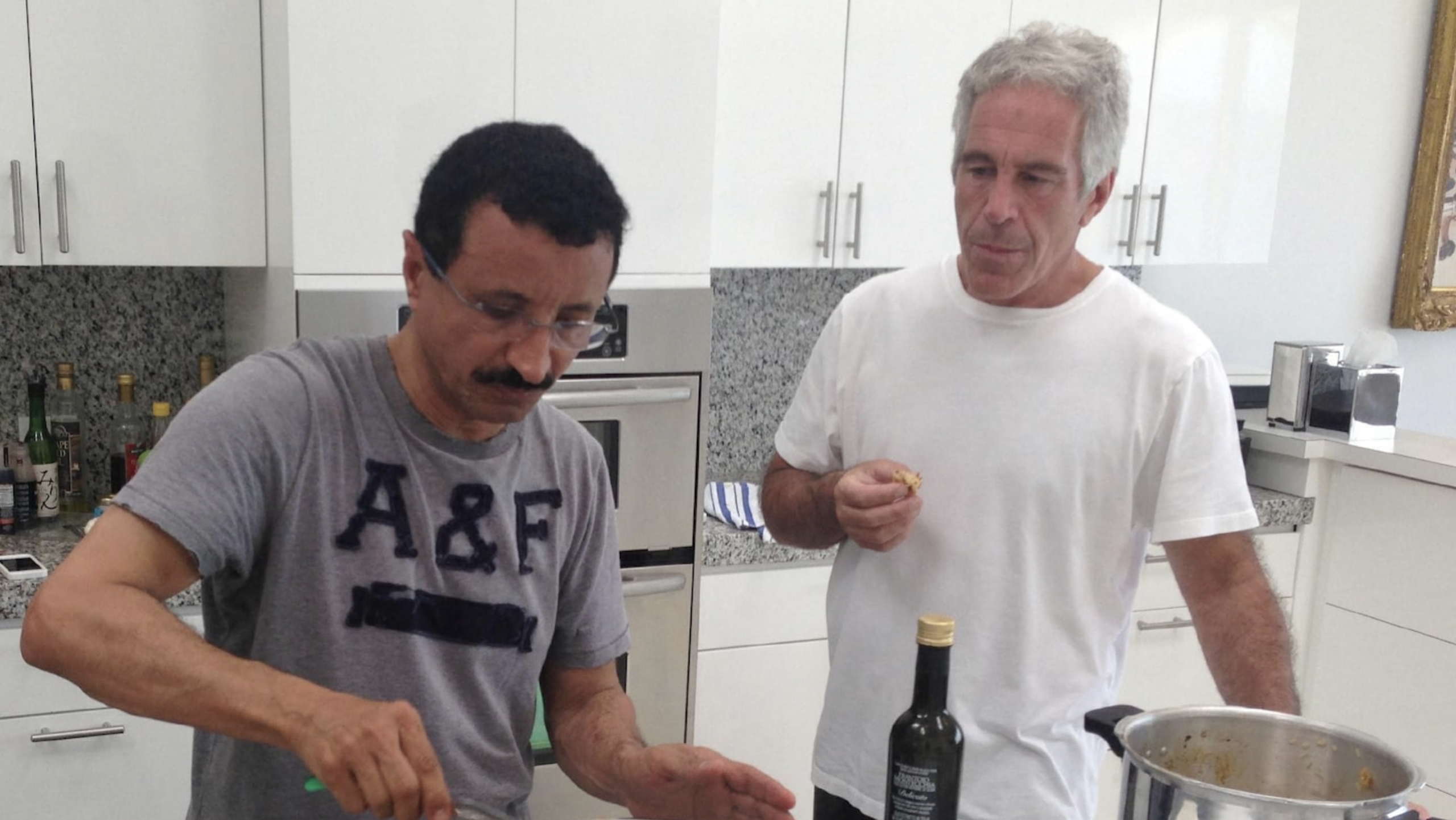
The chairman and chief executive of Dubai-based global ports operator DP World resigned this week after U.S. lawmakers publicly linked him to a series of communications with convicted sex offender Jeffrey Epstein, including one email in which Epstein referenced a “torture video.” The resignation follows renewed scrutiny of documents released by the Department of Justice related to Epstein’s network and contacts, and comes amid mounting political pressure in Washington over transparency in the handling of those records.
Sultan Ahmed Bin Sulayem stepped down from his role leading DP World, one of the world’s largest port operators and a key player in global trade logistics. His name had initially been redacted in portions of the Justice Department’s document releases tied to Epstein. Lawmakers later identified him publicly, arguing that the redactions obscured information of public interest.
Representative Thomas Massie of Kentucky said he and Representative Ro Khanna of California were the first to identify Bin Sulayem’s name in connection with the redacted materials. In a post, Massie wrote that the Department of Justice had “redacted information necessary to identify who sent Epstein the ‘torture video email,’” adding that after the lawmakers disclosed the name, Bin Sulayem resigned.
DOJ redacted information necessary to identify who sent Epstein the “torture video email.”@RepRoKhanna and I first discovered his name and released it Monday.
— Thomas Massie (@RepThomasMassie) February 13, 2026
Today he resigns. https://t.co/4zynZTwCjc
DP World announced Friday that Essa Kazim would assume the role of chairman of the board of directors, while Yuvraj Narayan would become the company’s new Group Chief Executive Officer, replacing Bin Sulayem. The leadership transition comes as the company seeks to stabilize operations following the controversy surrounding its former chief executive.
At the center of the scrutiny is an email exchange between Epstein and an address later attributed to Bin Sulayem. In the email, Epstein wrote: “where are you? are you ok, I loved the torture video.” The reply stated: “I am in china I will be in the US 2nd week of may.” The message included a signature line indicating it was sent from a BlackBerry wireless device.
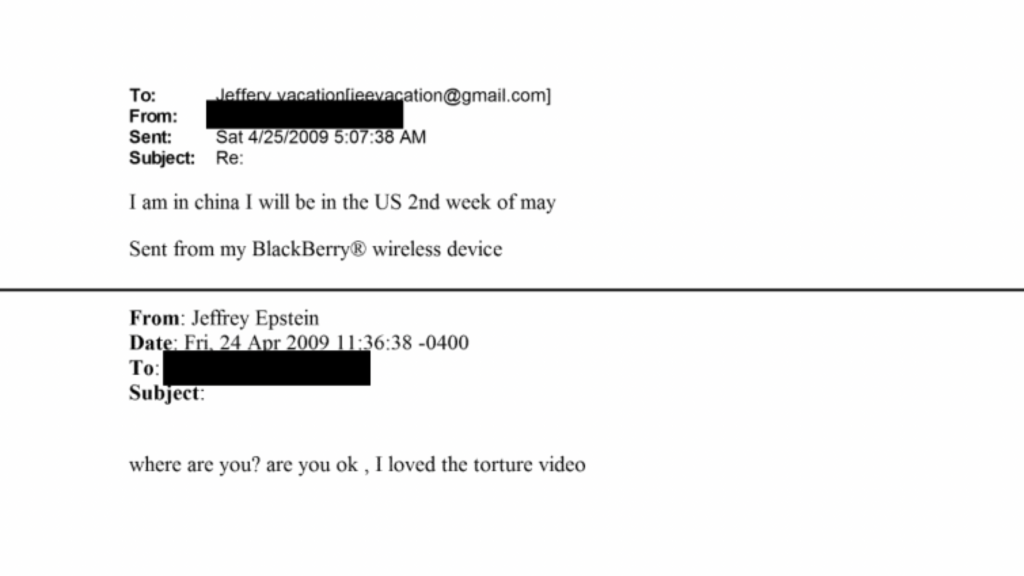
The Department of Justice previously confirmed that Bin Sulayem’s name was associated with the email address involved in the exchange.
Khanna said he and Massie pressed the Justice Department to remove redactions shielding the identity tied to the email address. “Thomas Massie and I called on DOJ to stop protecting this man & unredact his name. They relented. Then I took to the House floor to name names. Today, he resigns,” Khanna wrote, adding that accountability should extend to “the Epstein class.”
.@RepThomasMassie & I called on DOJ to stop protecting this man & underact his name. They relented. Then I took to the House floor to name names. Today, he resigns.
— Ro Khanna (@RoKhanna) February 13, 2026
We will not rest until there is elite accountability for the Epstein class. https://t.co/K6VTzhNHg8
The controversy underscores the continuing political and legal reverberations stemming from investigations into Epstein’s associates. Although Epstein died in federal custody in 2019 while awaiting trial on sex trafficking charges, scrutiny of individuals linked to him through travel logs, correspondence, and other documents has persisted. Lawmakers from both parties have called for greater transparency from the Justice Department regarding the handling and release of related records.
Bin Sulayem’s resignation marks one of the most prominent corporate departures connected to the latest wave of document disclosures. As DP World moves forward under new leadership, the episode adds to the broader debate in Washington over redactions, accountability, and the public’s right to access information related to the Epstein case.


