
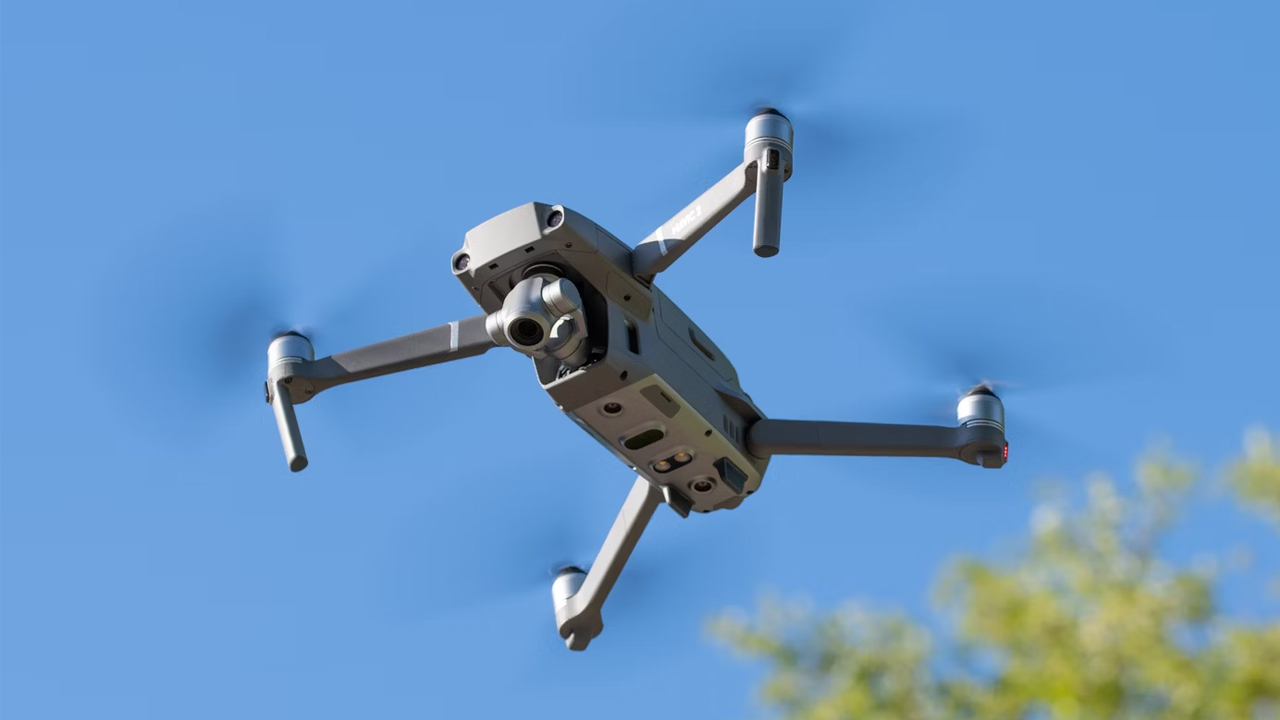
In modern warfare, cost isn’t everything—but it’s becoming a serious problem for militaries around the world. As commercial-grade drones become cheaper and more capable, they’re starting to threaten high-end fighter jets, helicopters, and missile systems worth tens of millions. It’s an uncomfortable equation: spend $500, take out $50 million.
The Rise of Disposable Airpower

The war in Ukraine has become a proving ground for cheap, off-the-shelf drones modified to carry explosives or act as spotters. One recent video showed a $500 drone used to destroy a Russian Tor air defense system reportedly worth $10 million. According to Business Insider, the drone flew undetected and struck directly without requiring any satellite or high-tech guidance.
Outgunning the Expensive Stuff

For air forces around the world, this isn’t just about drones—it’s about scale. Swarms of low-cost UAVs can overwhelm advanced defense systems designed to take on traditional aircraft or missiles. As Fox News reported, even former U.S. Air Force officials are sounding the alarm, warning that billion-dollar jet fleets are vulnerable to plastic-bodied aircraft guided by smartphone apps.
The Cost of Shooting Them Down

One of the biggest problems? The economics of defense don’t work. Using a $100,000 missile to shoot down a $500 drone just doesn’t scale. This mismatch is forcing the Pentagon and its allies to rethink their counter-drone approach. As noted by Breaking Defense, new systems are being developed that aim to give every soldier a basic, affordable tool to disable drones in the field.
The Global Ripple Effect

This shift isn’t limited to Ukraine. Countries from Israel to Iran are developing or deploying drone swarms for reconnaissance, jamming, and direct attacks. The low cost of entry is changing how wars are fought. A recent analysis in The Air Power Journal argued that large aircraft carriers, bombers, and fighter jets may need to operate further from the front line than ever before to avoid being overwhelmed.
The bottom line? Drones may not be the future—they’re already reshaping the battlefield. And it doesn’t take much money to make a big impact.


