
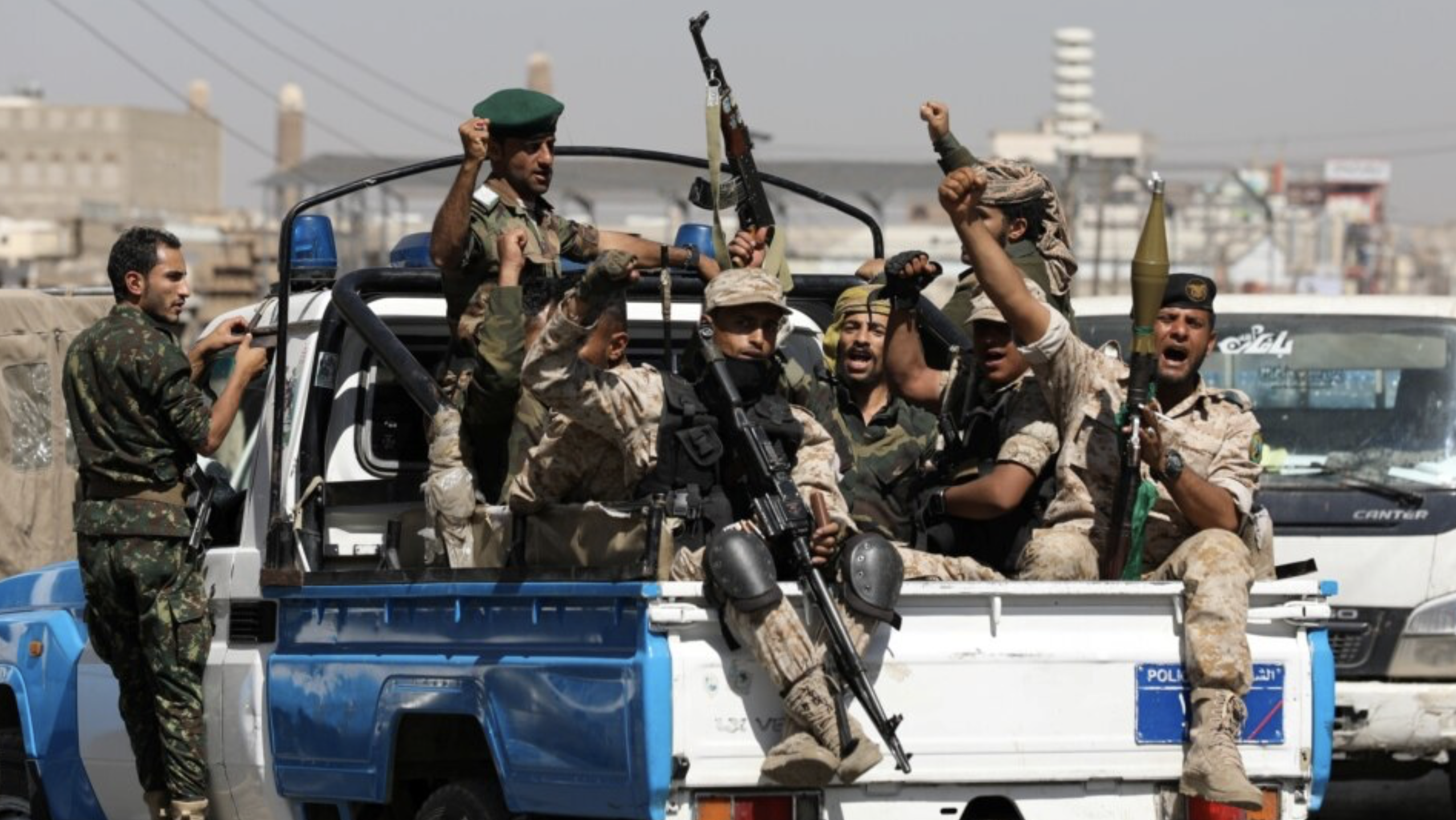
In a televised address on Friday evening, Abdul-Malik al-Houthi, the head of the Houthi movement, signaled that further military confrontations with Israel are certain to occur. Speaking on the group’s Al-Masirah TV channel, the leader claimed that Israel is actively preparing for new phases of conflict with the direct support and partnership of the United States.
Why It Matters
The statement underscores the persistent volatility in the Middle East as regional groups continue to challenge Israeli security and international interests. By framing the conflict as an unavoidable struggle against Western influence, the Houthi leadership is signaling a rejection of de-escalation. This rhetoric heightens the risk of continued disruption to maritime trade and increases the potential for a broader regional flare-up involving multiple fronts.
What to Know
Abdul-Malik al-Houthi’s speech touched on a variety of geopolitical tensions, ranging from the current instability in Syria to the friction between the Trump administration and Venezuela. Central to his message was the assertion that future escalation is being orchestrated by Washington and Jerusalem. He characterized the current environment not as a path to peace, but as a preparatory phase for more intense rounds of combat.
In a separate but related development, the family of Abdul Muttalib al-Qaisi confirmed that Jordan has received the body of the truck driver who killed two IDF soldiers at the Allenby Crossing in September. Al-Qaisi, who worked in humanitarian aid transport, was killed during the attack, and his return has become a point of contention in regional reports.
What People Are Saying
Houthi leadership has consistently argued that regional silence regarding international maneuvers is no longer an option. Al-Houthi emphasized that a looming confrontation with Israel is the direct result of what he described as aggressive expansionism. Furthermore, the leader warned that regional players must remain vigilant against plots against the region that he believes are being coordinated by the U.S. and Israel to destabilize the broader community.
What Happens Next
The Houthis are expected to maintain their posture of defiance, likely continuing their campaign of drone and missile deployments. As the U.S. and its partners evaluate their defensive positions in the Red Sea and surrounding waters, the rhetoric from Sana’a suggests the group is bracing for a protracted war of attrition. Observers will be watching for any shift in military tactics that could signal the beginning of the “future rounds” described in al-Houthi’s address.


