
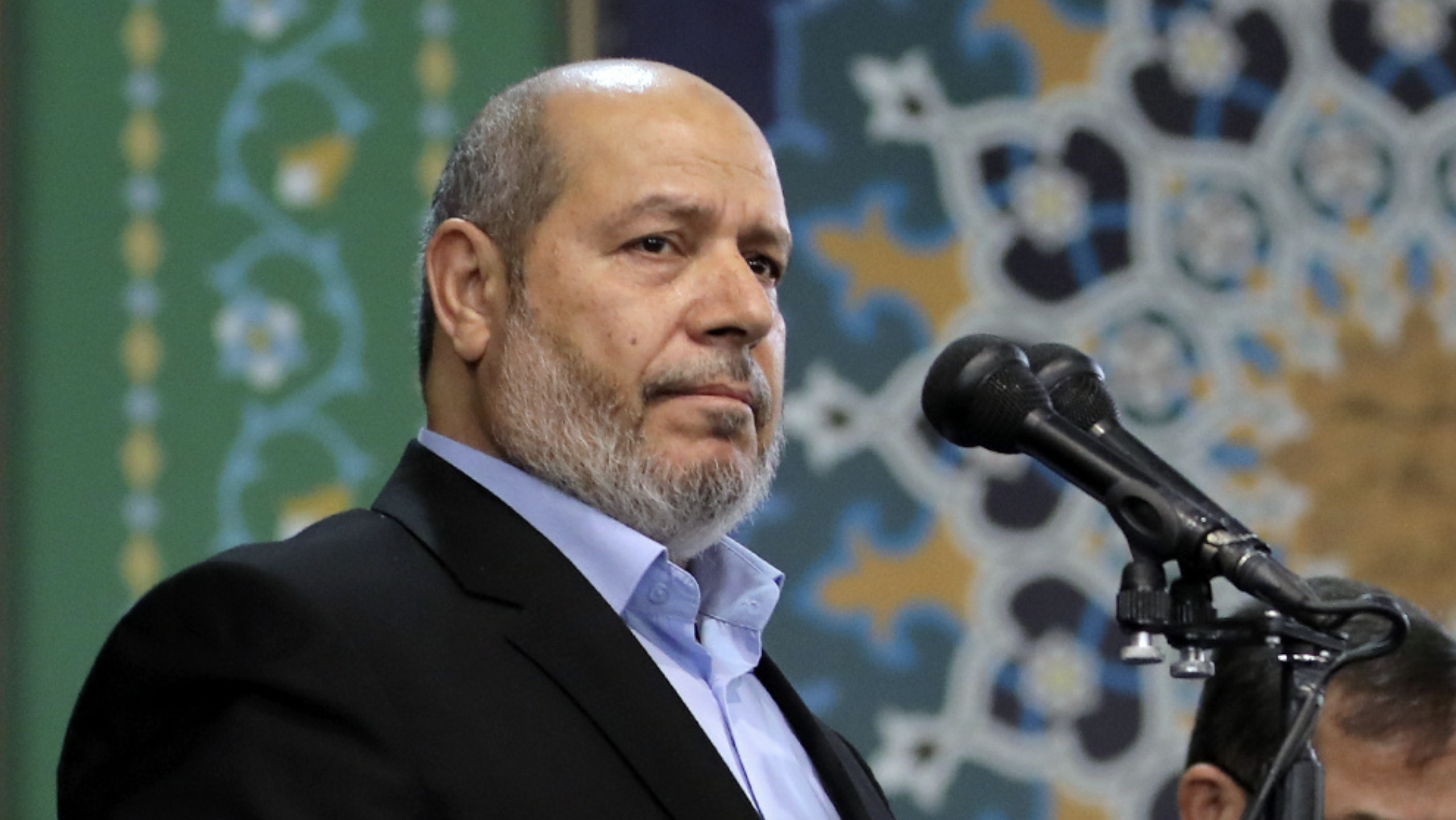
Hamas is preparing to hold high-stakes elections to select a permanent leader following the deaths of its previous political chiefs, Ismail Haniyeh and Yahya Sinwar. The move marks a critical turning point for the militant organization as it seeks to replace the transitional council currently managing its affairs. With two frontrunners emerging—chief negotiator Khalil al-Hayya and longtime figurehead Khaled Mashaal—the outcome of the vote will likely dictate the group’s long-term strategy in Gaza and its shifting alliances across the Middle East.
Why It Matters
The selection of a new political bureau headis not merely an administrative shift; it represents a fundamental choice regarding the future of the conflict with Israel. The two leading candidates offer divergent paths: one emphasizing continued armed resistance and close ties with Tehran, and the other favoring a pivot toward diplomatic engagement with moderate Arab nations. As the humanitarian crisis in Gaza persists, the new leadership will decide whether Hamas remains committed to a prolonged war of attrition or moves toward a negotiated settlement.
What to Know
Following the assassination of Yahya Sinwar, the mastermind of the October 7 attacks, Hamas established a transitional leadership council. However, that council is now set to be dissolved due to significant internal friction. Reports indicate that “contradictory opinions” among council members regarding the group’s future in Gaza and its regional dependencies have accelerated the need for a definitive vote.
- The Candidates: Khalil al-Hayya is currently considered the frontrunner. Known for his popularity within Gaza and his direct involvement in operations in the West Bank, Hayya advocates for the current status quo—maintaining armed confrontation until a total Israeli withdrawal is achieved. In contrast, Khaled Mashaal is reportedly pushing for a strategy that distances Hamas from Iranian influence in favor of strengthening ties with moderate Arab states and prioritizing ceasefire negotiations.
- The Process: The election will be conducted by the Shura Council, a secretive body composed of approximately 50 members representing Gaza, the West Bank, and Hamas’s international operations.
- The Context: Both Hayya and Mashaal were recently targeted in unsuccessful assassination attempts in Doha, highlighting the continued risks facing the group’s upper echelon.
What People Are Saying
Regional analysts and news outlets have noted that the delay in the leadership transition was largely due to the logistical difficulties of organizing a vote during active hostilities. According to reports regarding the internal elections, the decision to move forward now suggests an urgent need to present a unified front. While Hayya is viewed as the favorite by those deeply embedded in the military wing, Mashaal’s diplomatic experience remains a significant factor for the group’s external political standing.
What Happens Next
The Shura Council is expected to cast its votes within the coming days or weeks. If Hayya secures the position, observers expect Hamas to double down on its current military posture, potentially lengthening the duration of the conflict. Should Mashaal pull an upset, it could signal a shift in the group’s diplomatic approach, though any new leader will still have to navigate the intense pressure of the ongoing Israeli military campaign in the northern Gaza Strip. Regardless of the winner, the immediate priority will be consolidating power within a fractured organization.


