
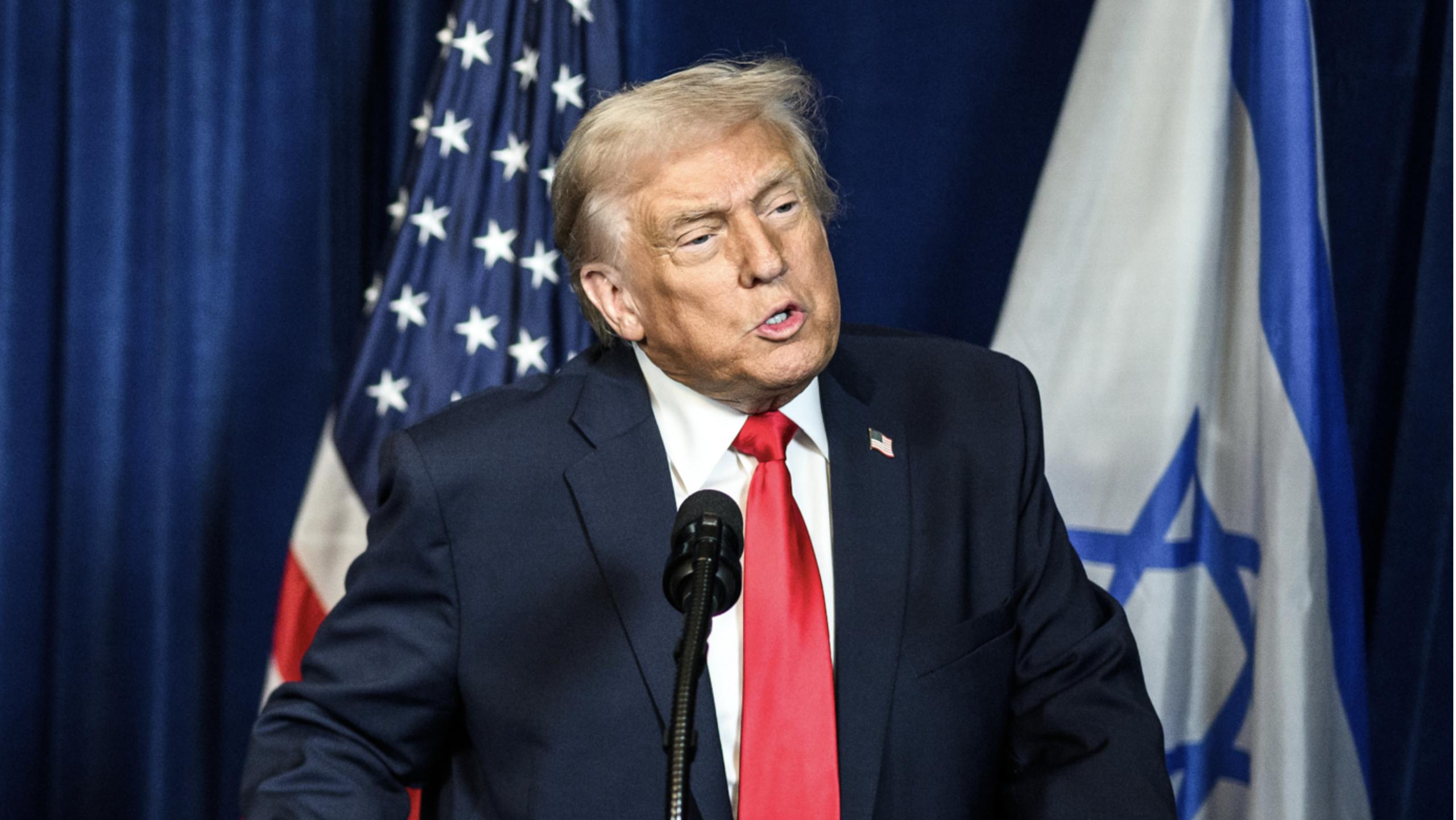
The United States formally announced the launch of Phase Two of its 20‑Point Plan to End the Gaza Conflict, moving from ceasefire operations to demilitarization, governance, and reconstruction, according to Steve Witkoff, the special envoy for the initiative.
Speaking on behalf of President Donald Trump, Witkoff detailed the objectives of the next stage, which include the creation of a transitional technocratic Palestinian administration in Gaza, called the National Committee for the Administration of Gaza (NCAG). The plan also focuses on the full demilitarization of Gaza, including the disarmament of unauthorized personnel, and the reconstruction of the territory following years of conflict.
“Phase Two establishes a transitional technocratic Palestinian administration in Gaza, the National Committee for the Administration of Gaza (NCAG), and begins the full demilitarization and reconstruction of Gaza, primarily the disarmament of all unauthorized personnel,” Witkoff said. He emphasized that the U.S. expects Hamas to comply fully with its obligations, including the immediate return of the final deceased hostage, warning that failure to do so “will bring serious consequences.”
Witkoff also highlighted achievements of Phase One, noting the delivery of historic humanitarian aid, maintenance of the ceasefire, the return of all living hostages, and the remains of 27 of 28 deceased hostages. He credited the diplomatic efforts of Egypt, Turkey, and Qatar for making progress possible.
President Trump responded to Witkoff’s announcement, describing the plan as a continuation of the U.S. commitment to peace through strength in Gaza. “As Steve Witkoff announced, we have OFFICIALLY entered the next phase of Gaza’s 20-Point Peace Plan!” Trump said, highlighting the delivery of record levels of humanitarian aid to Gaza at “historic speed and scale,” which he said had been recognized as “unprecedented” by the United Nations.
Trump reaffirmed U.S. support for the newly appointed Palestinian technocratic government, describing its leaders as “unwaveringly committed to a PEACEFUL future.” He outlined the administration’s goal of achieving a comprehensive demilitarization agreement with Hamas, including the surrender of all weapons and dismantling of tunnels. Trump reiterated the U.S. demand that Hamas comply immediately, including the return of the final body to Israel, warning that the group must act “without delay to full demilitarization.”
“PEACE THROUGH STRENGTH,” Trump concluded, emphasizing that the U.S. strategy combines humanitarian aid with firm enforcement of compliance to ensure security and stability for civilians in Gaza.
The transition to Phase Two marks a pivotal moment in U.S. mediation efforts in the region, building on the temporary ceasefire and relief operations of Phase One. Officials involved have described the technocratic governance model as a temporary, impartial administration, designed to stabilize Gaza and oversee reconstruction while preparing the territory for longer-term political and security solutions.
The international community continues to monitor developments closely, as the plan relies on cooperation from multiple stakeholders in the region, including Egyptian, Turkish, and Qatari mediators, as well as compliance from Hamas. While challenges remain, U.S. officials emphasized that Phase Two represents the first coordinated attempt at combining humanitarian relief with enforced demilitarization under a structured administrative framework.


