
In a firm statement addressing the recent political upheaval in Venezuela, France has condemned the military operation that led to the capture of President Nicolás Maduro. The French position centers on a defense of international legal principles and the fundamental right of a people to self-determination, warning that external interventions risk severe global consequences.
A Defense of Self-Determination and Fundamental Freedoms
The French critique begins with a sharp condemnation of Maduro’s own governance. The statement asserts that by confiscating power from the Venezuelan people and depriving them of their fundamental freedoms, Nicolás Maduro has gravely undermined their dignity and their right to self-determination. France positions its own diplomatic history in contrast, noting it has consistently committed itself, particularly through its mediation efforts, to upholding the sovereignty of the Venezuelan people, whose voice must take precedence.
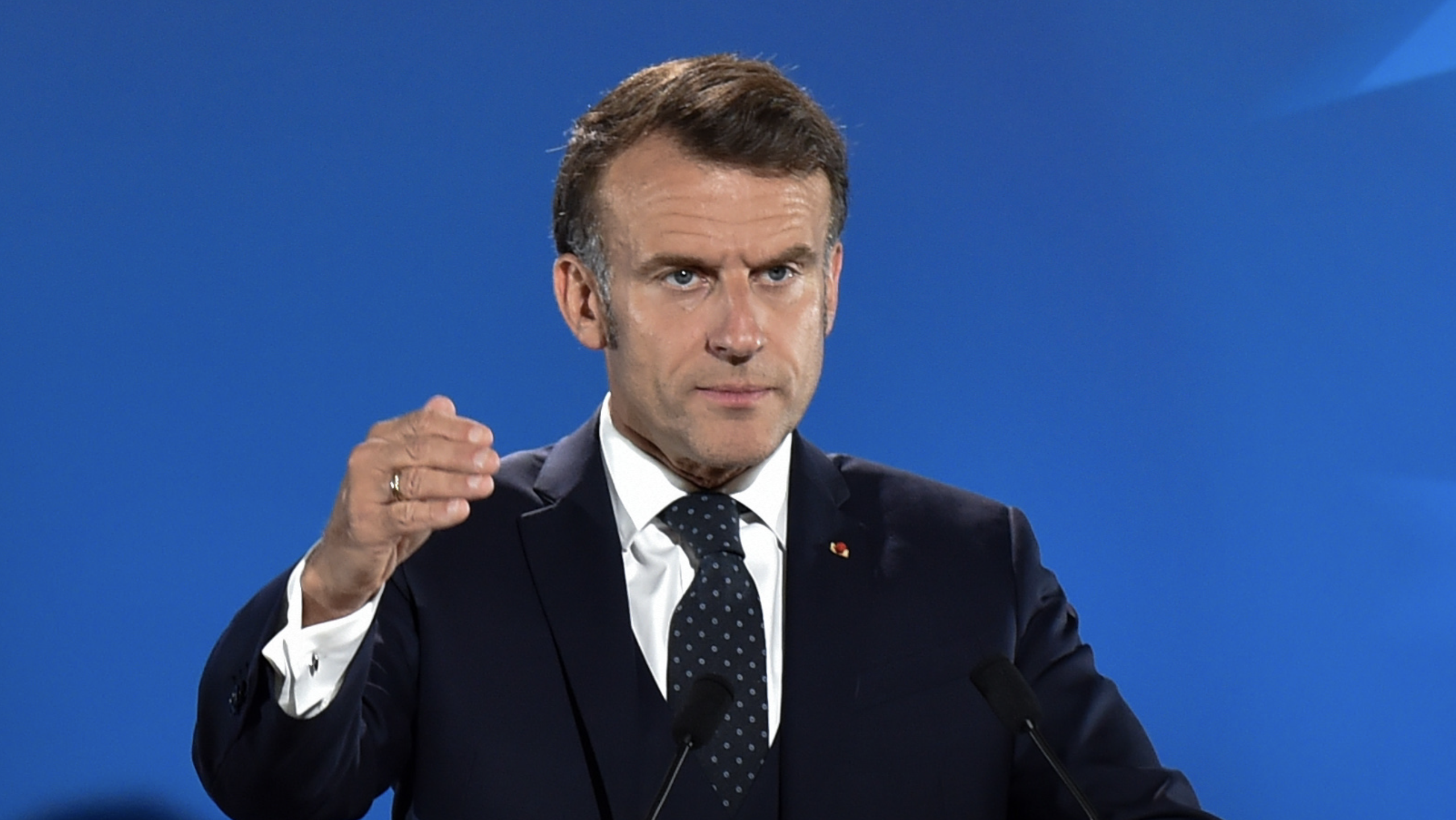
Jean-Noël Barrot is France’s Minister for the Digital Transition and Telecommunications, a key figure in the French government responsible for shaping the country’s technological and international digital policies. Beyond his ministerial role, Barrot is an influential voice in France’s foreign policy discussions, particularly on matters of international law and sovereignty. His statements carry weight both domestically and abroad, reflecting France’s official positions on global events such as the situation in Venezuela.
Condemnation of the Military Operation and Warning to Global Powers
France’s primary objection focuses on the means of Maduro’s removal. The statement declares that the military operation that led to the capture of Nicolás Maduro violates the principle of non-resort to force that underpins international law. This principle is a cornerstone of the post-World War II international order, which France explicitly ties to the United Nations system.
The criticism extends beyond the immediate actors in Venezuela. France issues a stark warning about the behavior of major powers, stating that the repeated violations of this principle by nations entrusted with the primary responsibility as permanent members of the United Nations Security Council will have heavy consequences for world security, sparing no one. This is a clear allusion to nations that may have supported or tacitly approved the operation, highlighting the perceived hypocrisy and danger when UNSC members bypass the charter they are sworn to uphold.
France’s Stance and Commitment to the UN Charter
Informed by History, France is preparing for it, but cannot resign itself to it.
Concluding its position, France reiterates its foundational diplomatic commitment. The statement powerfully reaffirms its attachment to the United Nations Charter, which must continue to guide the international action of States, always and everywhere. This serves as both a rebuke to those who acted in Venezuela and a declaration of France’s intended path forward—adherence to multilateralism and established international law, even in the face of what it sees as destabilizing actions by other global powers.


