
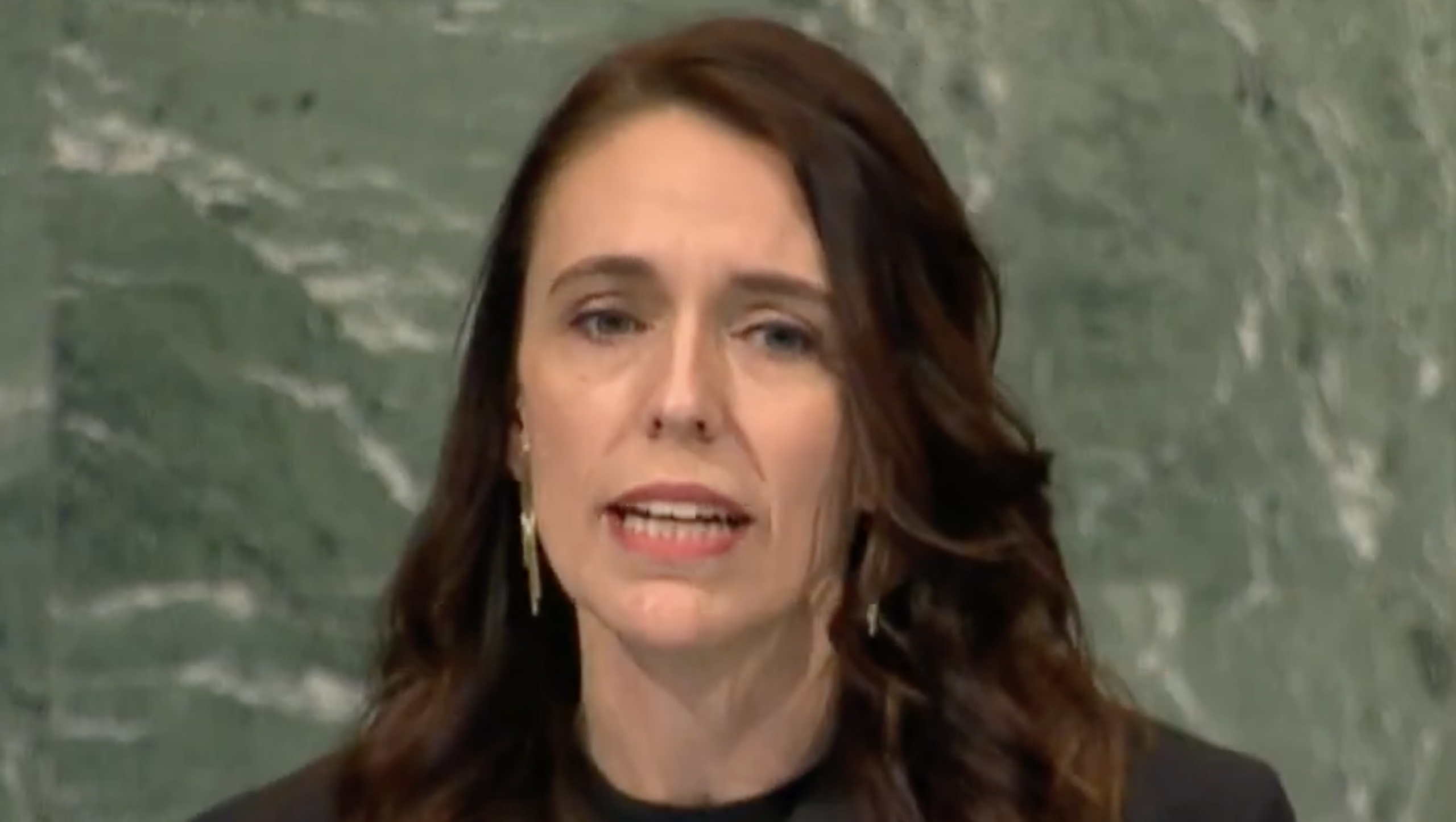
Former New Zealand Prime Minister Jacinda Ardern is drawing renewed attention after a 2022 speech in which she described certain forms of free speech as “weapons of war” and argued for censorship measures to protect open and safe communication. The remarks, originally delivered at an international forum, have resurfaced amid a global debate over online disinformation, hate speech, and government regulation of social media platforms.
Reminder – Former New Zealand Prime Minister Jacinda Ardern says free speech is a weapon of war, and censorship is necessary to protect free speech. pic.twitter.com/S0NeEouOVA
— redpillbot (@redpillb0t) November 22, 2025
In her speech, Ardern highlighted the challenges posed by the digital environment, noting the potential for online content to incite real-world harm. “This week we launched an initiative alongside companies and non-profits to help improve research and understanding of how a person’s online experiences are curated by automated processes this will also be important in understanding more about Miss and disinformation online a challenge that we must As Leaders address sadly I think it’s easy to dismiss this problem as one in the margins I can certainly understand the desire to leave it to someone else As Leaders we’re rightly concerned that even the most light touch approaches to disinformation could be misinterpreted as being hostile to the values of free speech that we value so highly but while I cannot tell you today what the answer is to this challenge I can say with complete certainty that we cannot ignore it to do so poses an equal threat to the Norms we all value.”
“After all how do you successfully end a war if people are led to believe the reason for its existence is not only legal but Noble how do you tackle climate change if people do not believe it exists how do you ensure the human rights of others are upheld when they are subjected to hateful and dangerous rhetoric and ideology the weapons may be different but the goals of those who perpetuate them is often the same to cause chaos and reduce the ability of others to defend themselves to disband communities to collapse the Collective Strength of countries who work together but we have an opportunity here to ensure that these particular weapons of war do not become an established part of warfare in these times I’m acutely aware of how easy it is to feel disheartened we are facing many battles on many fronts but there is cause for optimism because for every new weapon we Face there is a new tool to overcome it for every attempt to push the world into chaos is a collective conviction to bring us back to order we have the means we just need the collective will.”
During her tenure as prime minister, New Zealand consistently ranked among the top 20 countries on the World Press Freedom Index. Her government emphasized balancing free speech with efforts to prevent violent extremism, radicalization, and the spread of disinformation online, particularly after the 2019 Christchurch mosque attack, which was live-streamed on social media. Ardern and international partners, including French President Emmanuel Macron, spearheaded the Christchurch Call to Action, aimed at reducing violent extremist content and improving online crisis response.
The resurgence of Ardern’s remarks comes as several European nations take controversial steps to regulate online speech. In Spain, Prime Minister Pedro Sanchez recently announced plans to ban social media access for users under 16 and pursue legal action against platform executives for failing to control hate speech. Sanchez described technology platforms as spreading lies that could undermine democracy, prompting criticism from Telegram founder Pavel Durov and Elon Musk. Meanwhile, in France, President Emmanuel Macron called for greater accountability for online platforms following a rise in antisemitic acts. Macron stated that “in the France of the Enlightenment, ‘free speech’ stops at antisemitism and racism,” signaling a governmental push to limit speech deemed harmful or dangerous.
Ardern’s comments are being revisited in the context of these global developments, highlighting the tension between protecting free expression and addressing the ways digital platforms can amplify harmful rhetoric. Experts note that governments are increasingly grappling with the challenge of preventing online content from fueling real-world violence or destabilizing democratic institutions, while also ensuring that measures do not unnecessarily suppress legitimate discourse.


