
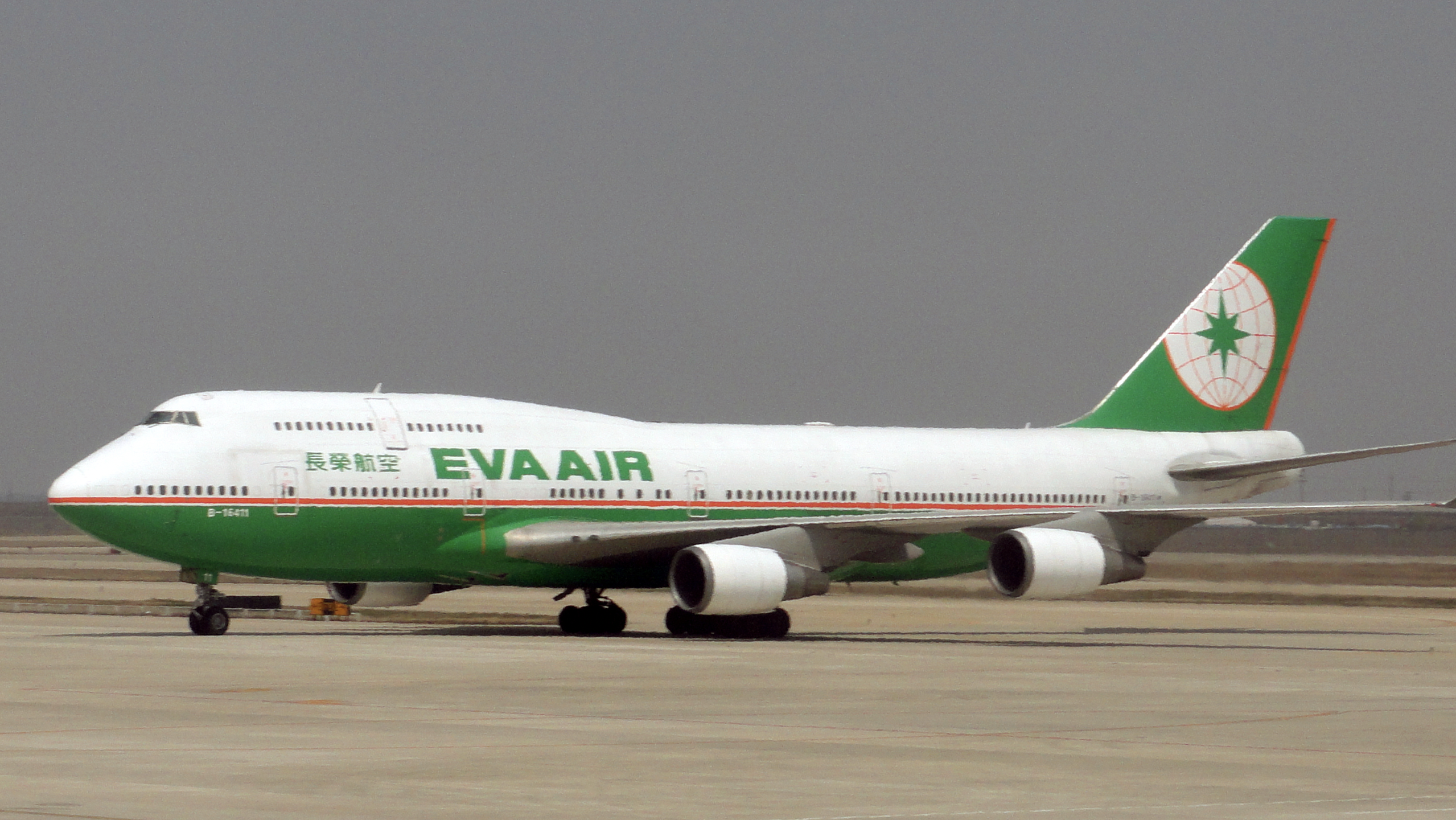
EVA Air has officially finalized a $1.94 billion agreement to acquire new Boeing aircraft and extend existing leases, signaling a massive push to modernize its long-haul capabilities. The board-approved initiative aims to bolster the airline’s international reach and solidify its hub at Taiwan Taoyuan International Airport (TPE) as a premier transit point for travelers moving between North America and Southeast Asia.
Why it matters
Taiwan is currently a primary battleground for aviation competition in the Pacific. With U.S. carriers expanding routes to Taipei and local rivals China Airlines and Starlux aggressively growing their North American footprints, this investment ensures the privately owned carrier remains a top-tier competitor. By securing more fuel-efficient aircraft and refreshing its existing fleet, the airline is positioning itself to handle the soaring demand for trans-Pacific travel while maintaining its status as a leading Star Alliance member.
What to know
The centerpiece of the deal involves the purchase of four additional Boeing 787-9 Dreamliners, which will support the expansion of the airline’s international network. Beyond new acquisitions, the carrier is renewing leases for four Boeing 777-300ERs currently in operation.
The investment also extends into the passenger experience, with $152 million earmarked for cabin retrofits on six 777-300ER aircraft. These upgrades will focus on adding more lie-flat business class seating and modernizing inflight entertainment systems. This is a critical component of a broader fleet modernization strategy that includes over 50 aircraft currently on order, such as the Airbus A350-1000 and A321neo.
What people are saying
Industry observers note that the airline is leaning heavily into its “hub and spoke” model, utilizing its nine North American gateways—including Los Angeles, New York, Chicago, and Seattle—to funnel traffic through Taipei. By appealing to high-value customers with enhanced cabin interiors, the carrier is looking to differentiate itself from low-cost competitors and match the premium offerings of its regional rivals. The move is seen as a strategic response to the entry of new players in the market, such as Starlux, which is set to begin operations in Phoenix in early 2026.
What happens next
The cabin upgrade project is scheduled to kick off next year, eventually bringing the total number of refreshed Boeing 777-300ERs in the fleet to 20. As the new Dreamliners are delivered, they will gradually replace older Airbus A330-300 models. Simultaneously, the airline will continue its transition toward a more efficient fleet as 18 Airbus A321-neos and 24 A350-1000s begin to arrive in the coming years, eventually replacing older narrow-body and wide-body jets.


