
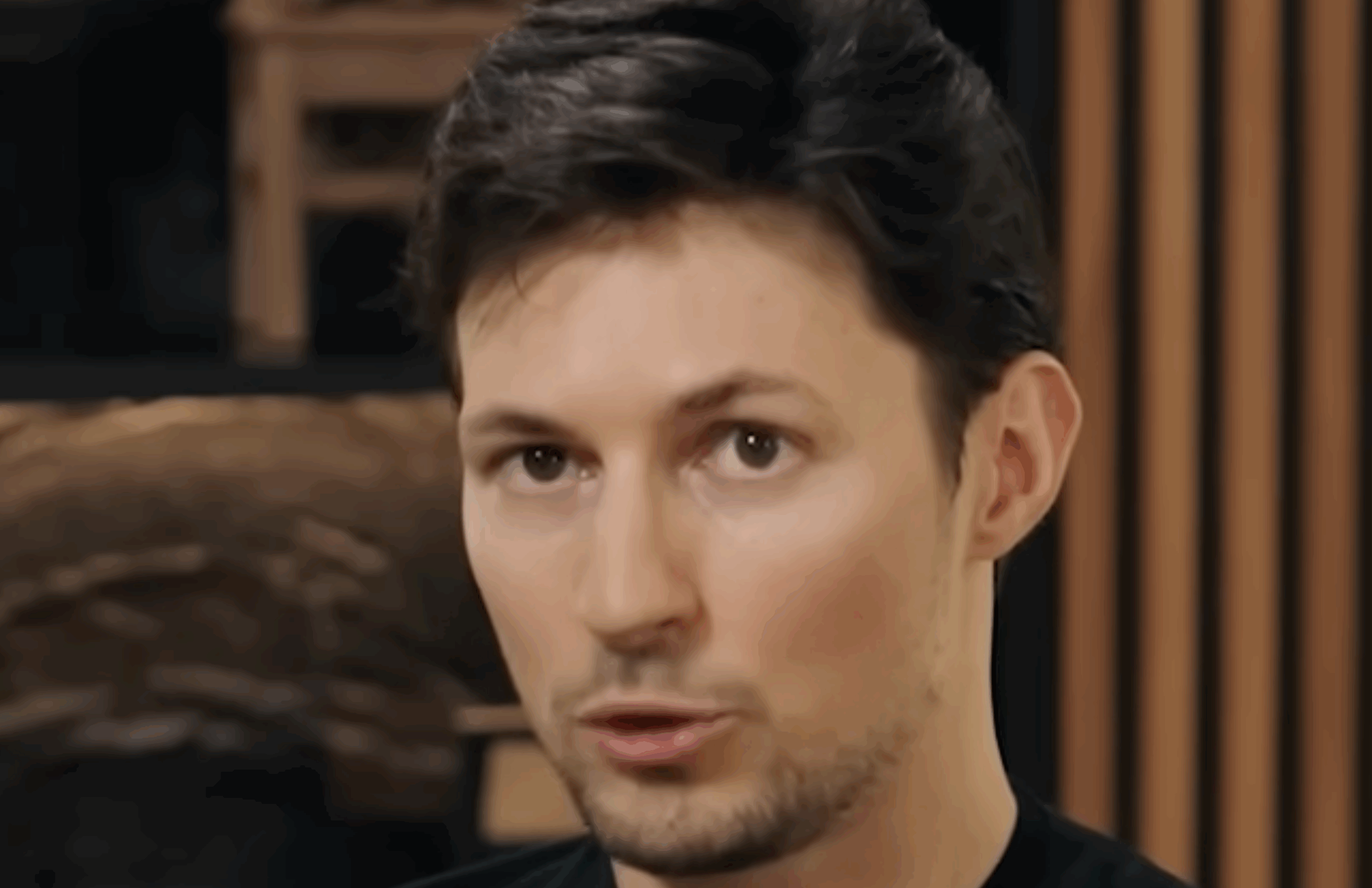
Russian-born billionaire entrepreneur Pavel Durov has sharply criticized French authorities following the police raid on the Paris offices of Elon Musk’s social media platform X, framing the action as part of a broader assault on digital freedom and free expression in Europe.
French police is currently raiding X’s office in Paris. France is the only country in the world that is criminally persecuting all social networks that give people some degree of freedom (Telegram, X, TikTok…). Don’t be mistaken: this is not a free country.
— Pavel Durov (@durov) February 3, 2026
In a public statement, Durov said, “French police is currently raiding X’s office in Paris. France is the only country in the world that is criminally persecuting all social networks that give people some degree of freedom (Telegram, X, TikTok…). Don’t be mistaken: this is not a free country.” His remarks place the French investigation into X within a wider narrative of what he views as escalating state pressure on platforms that resist tight government control over speech and content.
The comments came as French prosecutors confirmed that police and cybercrime units, working alongside Europol, had searched X’s French headquarters as part of a year-long investigation into the platform’s algorithms, data practices and the spread of illegal content. The probe has expanded to include allegations related to sexually explicit deepfakes, child abuse imagery and the operation of X’s artificial intelligence chatbot, Grok. Elon Musk and former X chief executive Linda Yaccarino have been summoned for questioning in April. X has denied wrongdoing and has described the investigation as politically motivated.
The tension between Durov and French authorities is not entirely new. In 2019, French police briefly detained Durov during a visit to Paris in connection with an investigation into Telegram’s alleged facilitation of illegal content. While he was released without charges, the incident reinforced Durov’s longstanding criticism of French and European authorities as being overly aggressive toward platforms that prioritize encryption and user privacy. Observers note that the pattern of legal scrutiny—from his personal encounters to raids on companies like X—feeds into Durov’s narrative that France systematically targets tech entrepreneurs who resist government oversight.
The real reason for Pavel Durov's arrest is that he refused to give the US a back door to spy on Telegram users.
— Dr. Anastasia Maria Loupis (@DrLoupis) August 26, 2024
You only have "freedom of speech" in the West when you bow down to the US's demands.@thatdayin1992
pic.twitter.com/BSc4ytPAja
While the French case has drawn attention because of Musk’s prominence, Durov’s statement reflects a longer-running critique he has voiced about European regulation of online platforms. As the founder and chief executive of Telegram Messenger, Durov has positioned himself as a defender of user privacy and freedom of expression, repeatedly opposing government demands that he says would undermine encryption or enable censorship. Telegram, which has hundreds of millions of users worldwide, is known for its limited content moderation compared with other major platforms, a stance that has brought it into conflict with authorities in multiple countries.
Durov’s reference to Telegram alongside X and TikTok underscores his argument that platforms offering users greater autonomy are increasingly being targeted through criminal investigations and regulatory pressure rather than civil enforcement or narrowly tailored rules. French prosecutors have said their actions against X are intended to ensure compliance with national law and to address serious alleged crimes linked to the platform’s operation. European regulators more broadly argue that stronger oversight is necessary to combat illegal content, protect children and prevent the misuse of artificial intelligence. The clash highlights a widening divide between technology executives who emphasize free speech and minimal intervention, and European governments that are moving toward stricter enforcement against social media companies. By casting the raid on X as evidence that France is no longer a free country, Durov has amplified that debate, warning that legal actions against platforms may carry broader implications for digital freedoms across the continent.


