
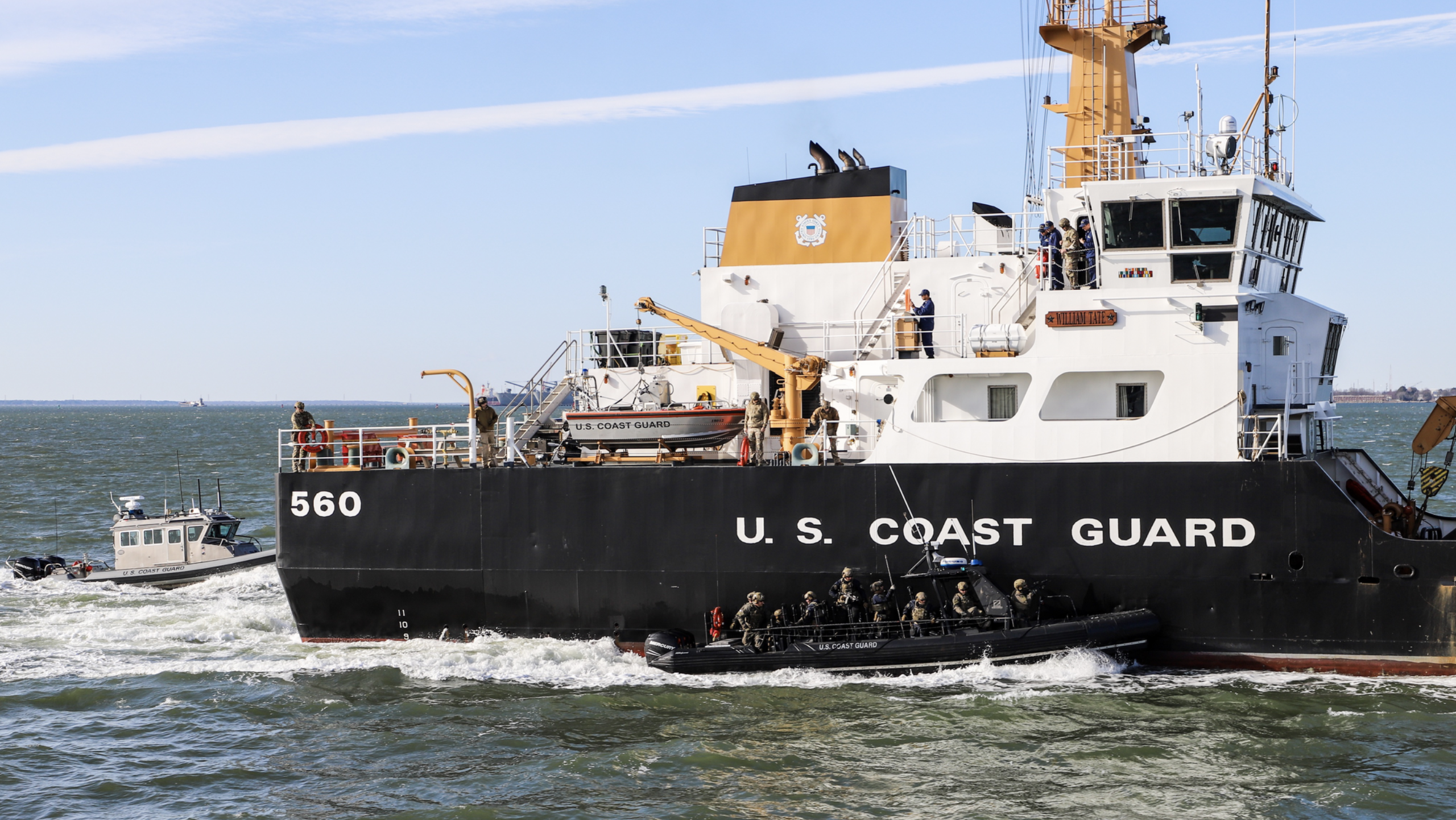
An international maritime standoff has escalated after a sanctioned oil tanker, pursued by U.S. authorities, reportedly sought Russian protection by hand-painting a Russian flag onto its hull. The maneuver effectively stalled a potential seizure in international waters, highlighting the increasingly desperate and creative tactics used by “shadow fleet” vessels to bypass Western economic restrictions.
Why it matters
This incident underscores the growing challenges the United States faces in enforcing maritime sanctions against adversarial nations. By visually claiming the sovereign protection of Moscow, the vessel has created a diplomatic and legal gray area that complicates the U.S. Coast Guard’s ability to intercept illicit cargo without risking a direct confrontation with a nuclear-armed power.
What to know
The vessel, which has been linked to the transport of Iranian oil, was being tracked by U.S. intelligence for suspected sanctions violations. According to reports from the Wall Street Journal, the ship’s crew resorted to the makeshift painting of the Russian tricolor as a deterrent while being shadowed by American assets.
The U.S. Coast Guard reportedly halted its pursuit once the flag was displayed, as the presence of a Russian state symbol—even if hastily applied—raises significant sovereign immunity questions. This development comes at a time when maritime data indicates that sanctioned tankers are frequently successfully reaching destinations like Venezuela despite existing American blockades.
What people are saying
Security analysts suggest that this event marks a shift in the “cat-and-mouse” game played between Western regulators and the global shadow fleet. Livemint noted that the incident illustrates how effectively foreign vessels can exploit U.S. hesitation to avoid a geopolitical flare-up.
Furthermore, observers at United24 Media have characterized the event as a bold psychological move, noting that the mere appearance of Russian backing was enough to force a cessation of the seizure operation. Critics of current enforcement policies argue that if such tactics go unpunished, other sanctioned entities will likely adopt similar methods to safeguard their shipments.
What happens next
The U.S. State Department and the Treasury are expected to review the legality of the vessel’s claim to Russian protection and whether the ship was officially registered under the Russian flag at the time of the incident. In the meantime, the tanker is expected to continue its journey to its destination. The incident is likely to trigger calls for more robust maritime enforcement protocols that can address “sovereignty-shifting” tactics in real-time.


