
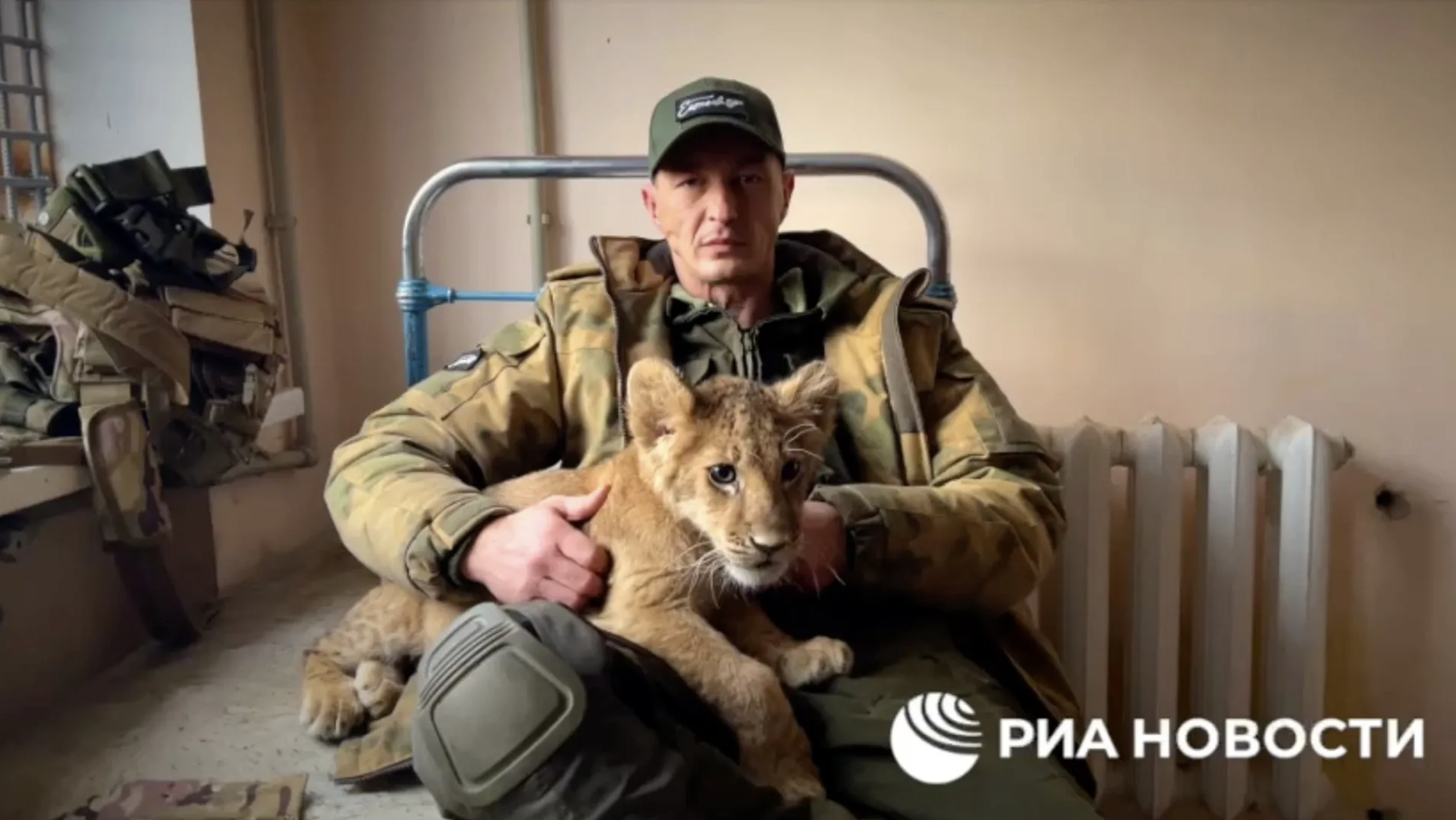
Stanislav Orlov, the commander of the Russian volunteer unit known as Espanola, was killed earlier this month during what witnesses and independent outlets described as a security operation in occupied Sevastopol, according to Ukrainian and Russian media reports.
Orlov, 44, who used the alias “Ispanets” (Spaniard), died on December 4 at a dacha where he had been staying, Ukrainska Pravda reported, citing the ASTRA Telegram channel, eyewitness accounts, and video footage from the scene. Russian authorities have not publicly detailed the circumstances surrounding his death.
The publication reached out to Russian officials for comment. No official response has been made public.
Why It Matters
The death of a prominent figure linked to a pro-war volunteer formation highlights ongoing security and control challenges within Russia’s irregular military ecosystem. Such units have played roles in the war in Ukraine while often operating outside conventional military structures.
The incident also underscores scrutiny surrounding weapons circulation and internal discipline among armed groups aligned with Russia’s war effort, particularly those with extremist or far-right origins described by multiple investigative outlets.
What To Know
According to ASTRA, armed personnel arrived at a dacha in the Flotsky garden cooperative in occupied Sevastopol shortly after midday on December 4. Witnesses told the outlet they heard gunshots after officers exited several vehicles, including an unmarked SUV and a minibus with military plates.
CCTV footage reviewed by ASTRA reportedly shows an ambulance removing Orlov’s body roughly six hours later. Searches were carried out across the cooperative, and the caretaker of the property was detained, according to the report.
Independent Russian outlet Meduza corroborated ASTRA’s account, reporting that masked, armed officers were seen at the site shortly before the shooting.
ASTRA reported, citing former Espanola fighters, that the operation may have been connected to a criminal case involving alleged illegal weapons trafficking under Article 222 of Russia’s Criminal Code. Russian authorities have not publicly confirmed the reason for the operation or whether Orlov was being formally detained.
The Espanola Telegram channel confirmed Orlov’s death on December 19 but did not disclose the cause or circumstances, according to Ukrainska Pravda.
What the available evidence does not establish: No official Russian statement has identified who fired the fatal shots, confirmed whether Orlov resisted arrest, or formally explained the legal basis for the security operation. Accounts remain based on eyewitness testimony and media investigations.
Background
Orlov was previously affiliated with the CSKA football fan group Red Blue Warriors and had participated in fighting in eastern Ukraine since 2014. He later emerged as a leading figure within Espanola.
Espanola has been described by Ukrainian and independent Russian outlets as a volunteer brigade formed largely from football hooligans and individuals associated with far-right or neo-Nazi movements. The unit fought alongside Russian forces during the war in Ukraine, according to reporting by Ukrainska Pravda and investigative outlet Vazhnye Istorii.
In early October, Espanola announced it was disbanding. Orlov described the move as a “reset” involving new leadership and personnel. Some pro-war bloggers claimed the decision was encouraged by authorities, though this has not been independently confirmed.
What People Are Saying
ASTRA reported that “security forces arrived at the site in several vehicles, after which gunshots were heard,” citing eyewitnesses and video footage from the scene.
The Espanola Telegram channel acknowledged Orlov’s death but did not provide further details, according to Ukrainska Pravda.
What Happens Next
Russian authorities have not released official findings regarding Orlov’s death. Independent outlets report that investigations into alleged illegal weapons trafficking involving former Espanola members are ongoing.
Further clarification may depend on whether Russian investigators or courts make additional information public.


